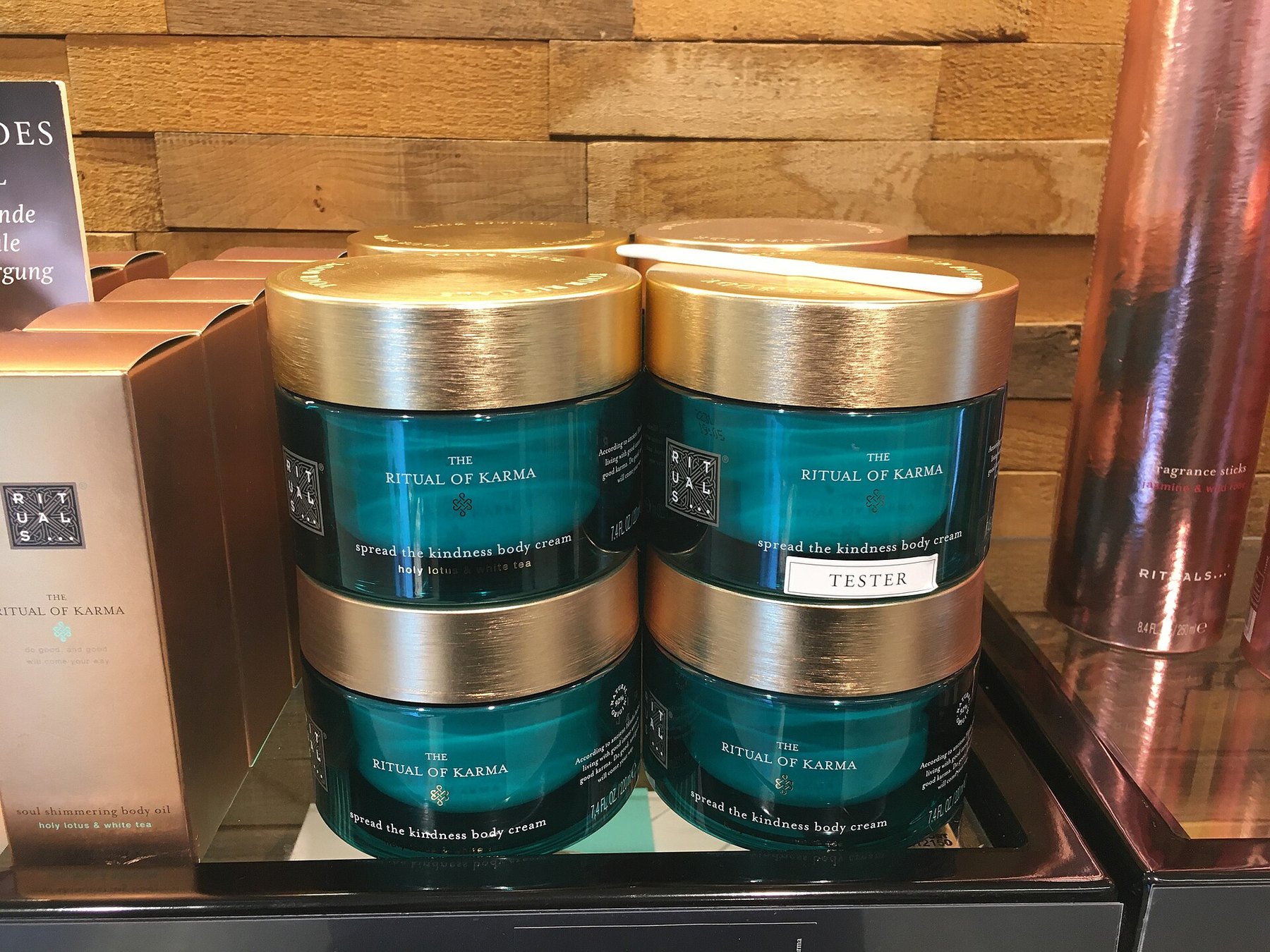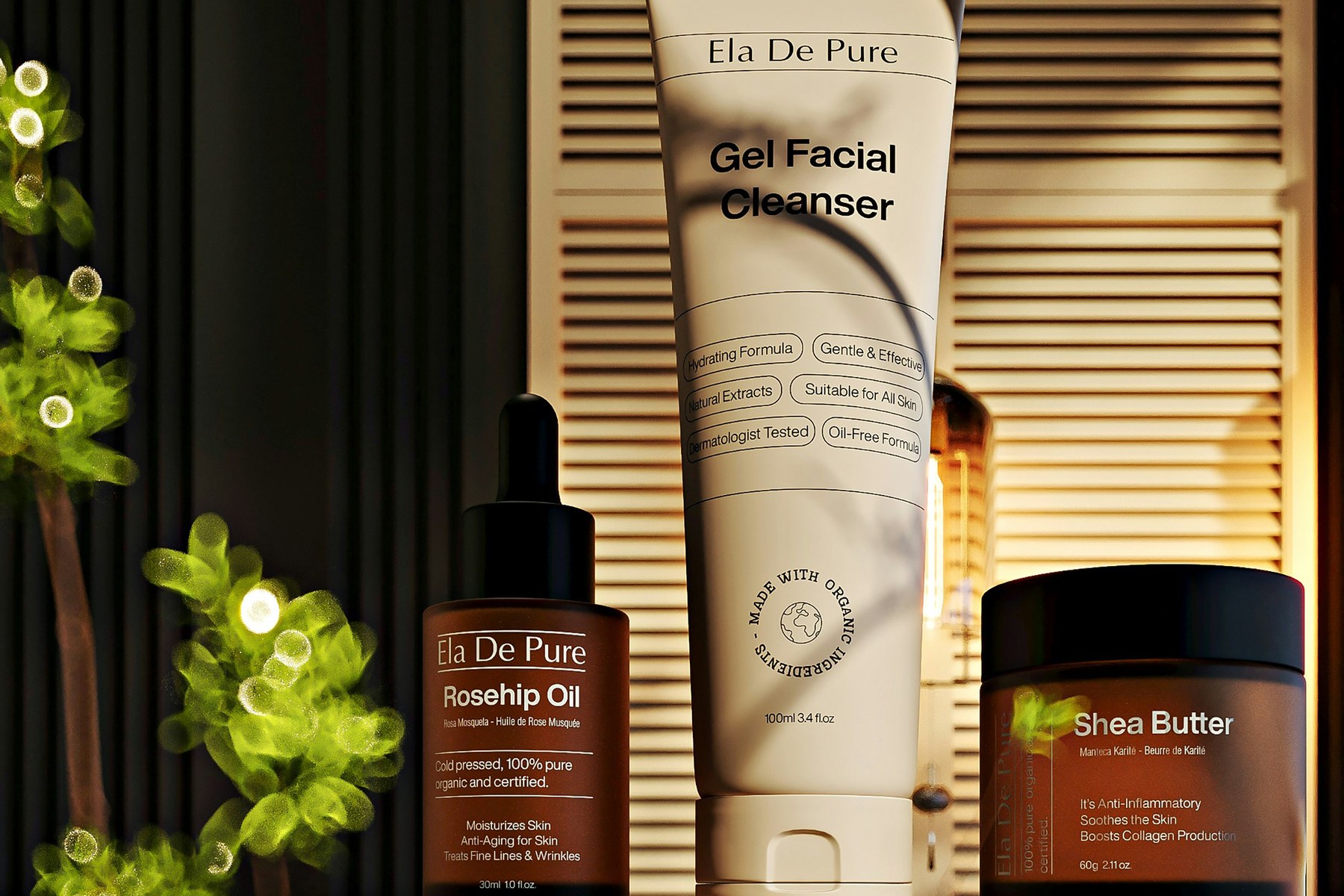
Ten years ago a full routine called for a cleanser plus a moisturizer plus sunscreen. Now a typical shelf carries separate serums for day and night, toners alongside essences, masks sorted by weekday and weekend, and acids that claim to polish all of it. For readers who now read labels before they buy, the useful question is whether published data show skin appearance getting better as bottle counts climbed, or whether added layers made results harder to read.
The shift came without one breakthrough product. It built drop by drop, bottle after bottle, until a habit that once needed three minutes started to need twenty. For those who call their skin reactive, that buildup tends to show first as midday tightness, then as redness that stays past evening, then as a drawer of partly used bottles held out of routine rather than liking.
How the routine turned into a show
The timeline is short enough to document. During the mid 2010s, the ten step routine moved from Seoul to New York and London inside blogs and filmed morning routines. It looked orderly and it appealed. Start with oil cleanse and follow with foam. Clear away dead cells. Apply tone. Layer essence, then ampoule, then sheet mask, then eye cream, then moisturizer, then sunscreen or a sleeping pack. Every phase supplied its own feel and stated purpose, and the order itself gave a sense of control.
Short video then compressed that teaching and broadened who saw it. A sequence that once filled a long post could fit inside sixty seconds with music while product names crossed the frame. Stores introduced starter sets aimed at preteens. Replies traded totals for step counts. By last year the pattern reached children. In the first peer reviewed analysis of teen skin care videos, investigators at Northwestern Medicine reported that makers aged seven to eighteen applied a mean of six products in each routine, while some applied more than a dozen at one time. The mean routine price came to 168 dollars for a one month supply, and only around one quarter of morning routines contained sunscreen.
That omission carries weight. When dermatologists are asked about lasting appearance, sunscreen is the product they cite most, though it films badly. It can leave a cast or shine. It sits poorly under quick camera cuts. A brightening serum photographs in a sharper way inside a dropper and holds out change by next morning. Platforms reward the look of action, and bathroom shelves adjust to match.
Strain showed up in expected places. Polls in Britain and the United States point to a common divide. Buyers purchase more skin care than other personal care goods, yet say they use it less steadily day to day. Bottles gather. Directions clash. One bottle lists glycolic acid, a second lists lactic acid, a third lists a fruit extract that serves the same role under a gentler label. Together they place heavy demands on the outer skin surface. Dermatologists use a direct word for what follows when tolerance runs out. They call it irritation. When effects last, they call it allergy.
When the base holds steady, one active tested with patience can show what it does.
The Northwestern group set out one pathway in plain terms. Harm reflected not only potent blends but repeated exposure that users did not register. A single active turned up in three or four or five separate products inside one routine, so combined load ran above what any one label implied. In one clip, a maker layered ten products across six minutes and started to look uncomfortable on screen before the sequence closed. The most watched clips held a mean of eleven potentially irritating ingredients. The authors wrote that the later allergy, termed allergic contact dermatitis, can narrow which soaps and cosmetics a person accepts in future years, which lends a standard night routine a longer reach than it first appears.
This pattern does not point to a wish to cause injury. It points to a gap between media tempo and biology. Video prizes new items and pace. Skin answers to steady habits and rest.
What guidance says skin requires
Clinical advice gives a strikingly brief reply to a wide dispute. The American Academy of Dermatology outlines a plain three part method for most people, built from cleansing plus moisturizing plus defense with sunscreen. Sequence counts, and holding back counts. The same advice warns that too many products, above all more than one product sold for signs of age, can inflame skin and leave lines and texture looking more marked rather than less marked.
The logic follows anatomy. The surface stratum, the stratum corneum, acts as a low barrier of flat cells mixed with lipids that slows water loss and blocks entry from outside. Mild cleansing lifts soil and sunscreen while leaving that cement in place. Moisturizer aids water content and the sense of suppleness, often through humectants that pull water inward and occlusives that curb its loss. Sunscreen helps guard against ultraviolet light, still the biggest outside driver of uneven tone and the look of early aging. Those three do not rule out treatment. They form a footing that lets treatment be read. When the base holds steady, one active tested with patience can show what it does. Changing the footing each week leaves no effect that can be judged.
A compact routine also makes cause and effect testable. With three products, a shift in looks can be linked to a source. With nine, linkage turns to guessing. Makers who work with botanicals tend to state this as a working rule. A calendula infusion or an oat extract can leave skin looking calmer and feeling softer, yet that action stays hidden if laid beneath two acids plus a retinoid started during that same week. Botanicals call for watching. A leaf brews on its own clock. Skin does the same.
Touch counts as well. In Rooting Moss language, ceremony is not ornament. Heat a balm across the palms, press it in place of rubbing, allow a cleanser a solid sixty seconds, pause one minute before sunscreen. Those little methods help spread stay even and cut drag, which helps comfort. They add no cost and need no fresh bottle. In conversations for this issue, formulators kept returning to one picture. Less glass on the counter, greater care inside the hands.
People who like treatment can still use treatment, only with narrower scope. Address one issue in one period, test one active in one period, and leave sunscreen fixed. A morning vitamin C serum for the impression of brightness, or a gentle retinoid at night for texture, applied on several nights each week and reviewed after a whole skin cycle near a month. Bases without fragrance lower one frequent source of reaction. Trying a fresh product on the jawline across several days stays a small routine that avoids larger regret.
Why tight edits keep being used
Look across lasting botanical ranges in apothecary rows and one shape repeats. The list stays brief. A cleansing oil or a cream. A mist or an essence. One serum or two. A balm or a cream. Sunscreen where the range stocks it, or plain counsel on which one to add. Laurel, Kypris and In Fiore show this form, each arranged around a narrow group of feels rather than a reply to each short lived worry. At first glance the limit looks like sales caution. Studied more closely, it works as direction.
A brief list teaches order with no booklet. Day and night open the same way. Shifts stay slight and easy to recall. Such clarity helps steady use, and steady use helps looks. A moisturizer spread each day across three months adds more to the sense of smoothness than a row of treatments rotated for a week apiece. Sales figures stay private and differ across houses, but the pattern is clear to all who have held a habit. Shoppers repurchase what they empty. They empty what they grasp.
Trust enters here too. A house that sells five items bets its name upon those five. It cannot mask a thin blend behind release dates. It has to buy with care, state concentration in clear terms, and tell a buyer when to skip a purchase. One founder spoke of sending away buyers who sought a stronger acid than their skin appearance called for, and of urging a plainer cleanse and moisturize cadence instead. A second founder spoke of crop caps on a field grown extract that fixed the batch size, so the serum went out of stock and the house waited instead of swapping in a fast stand in. Such caps annoy in the near term. They build confidence across years. The buyer learns that refusal stays firm, so assent carries weight.
Wide ranges meet reverse strain. Every launch has to earn its slot, so every launch needs a promise. Promises add phases. Phases add contacts between ingredients. The result brings returns, not just of bottles but of belief. By contrast, refill schemes and stable staples invite return trips with no fresh schooling. A cleanser bought a third time in a row builds cadence. Cadence builds recall. Recall, inside a packed market, acts much like loyalty.
This is not a plea for spareness as fashion. It is a plea for scale to fit need. A teen with sound skin may call for just a mild cleanser plus a light moisturizer plus sunscreen, with treatment brought in under advice once a defined issue shows. An adult troubled by dark spots may add a single brightening phase and hold it through a season. A parent buying for a child may choose fragrance free staples and sun practice over any active at all. The same rule runs through each case. Start with support. Add solely what a stated issue demands. Take away what fails to prove its place.
Shelves will keep proposing more. Proposing is their job. A small practice gives balance for readers who check proof before purchase. A stone keeps moss since its face stays stable and moist, not since it gathers. A routine keeps users for kindred reasons. Patient use of a limited set lets skin appearance calm, lets the person keeping the routine observe with care, and lets the maker defend each bottle with no reserve. In commerce built on debuts, staying power states a case.

Benjamin Marsh
Benjamin looks after the brands Face Value works with and makes sure every sponsored page is labelled as one. He spent six years on the commercial side of a New Jersey contract lab, which is where he learned what a stability test costs.
More from Benjamin Marsh →