Adult acne and adult eczema receive different labels, yet both involve reduced water, altered lipids and disrupted balance. A repair first sequence rebuilds that base before potent actives are introduced, which can lift tolerance and extend periods of comfort.
European dermatology meetings in 2017 supplied language for a pattern patients had described for years. Specialists defined the acne exposome as the combined environmental influences that shape onset, duration and severity of acne. That definition moved focus from the single lesion toward air quality, diet, stress, cosmetic products and daily habits. Skin appeared less as a defect to fix and more as an interface to maintain.
That reframing now guides formulators who address acne alongside eczema. Acne vulgaris is characterized as a chronic inflammatory condition of the pilosebaceous unit and as the most prevalent skin disorder globally. Prevalence is reported to reach 93 percent among adolescents. Atopic dermatitis affects as many as 20 percent of children and averages 2.1 to 4.9 percent among adults, while around 20 to 30 percent of childhood cases persist into adulthood. Those figures reflect separate ages and separate lesions. The underlying tissue shows greater overlap.
People with acne vulgaris frequently exhibit higher transepidermal water loss, pH, sebum output, porphyrin levels and erythema alongside lower microbial diversity. 37 percent of people with acne develop sensitive skin and 3 to 7 percent may develop scarring. In acne affected skin, claudin-1 is described as limited to basal and granular layers and fully missing from the stratum corneum, in contrast to normal skin. Claudin-1 assists closure of spaces between cells. Its lack in the outermost layer points to an open gate. Water escapes with less restraint. Irritants gain entry with less restraint. Sensitivity results.
What the surface layer contains
A 2025 review in the Journal of Clinical and Aesthetic Dermatology presents the epidermal barrier as several barrier roles organized around the stratum corneum and selective permeability. The model is helpful. The stratum corneum functions less like a wall. It functions more like a checkpoint that controls what leaves and what remains. Lipids perform much of that control. The 2025 review of barrier physiology states stratum corneum lipids account for 20 percent of overall stratum corneum volume. The same review places the intercellular lipid membrane at ceramides of 40 to 50 percent, cholesterols of 25 percent and free fatty acids of 10 to 15 percent. The sound physical barrier relies on an even lipid ratio reported as ceramide to free fatty acids to cholesterol at 3 to 1 to 1.
Modest shifts in those lipids carry consequence. Shorter chain lengths of free fatty acids and ceramides track directly with lower density of lipid organization and stronger barrier disruption in atopic dermatitis. Shorter chains pack with less tightness. Looser packing creates more gaps between cells. More gaps allow greater water loss and more access points for microbes and irritants. Lipids released by sebaceous glands form 90 percent of surface lipids on adolescent and adult skin. That detail links acne with barrier behavior. Sebum belongs to the surface film, although surplus sebum of changed composition fails to provide protection. Skin may look oily at the surface while staying depleted deeper.
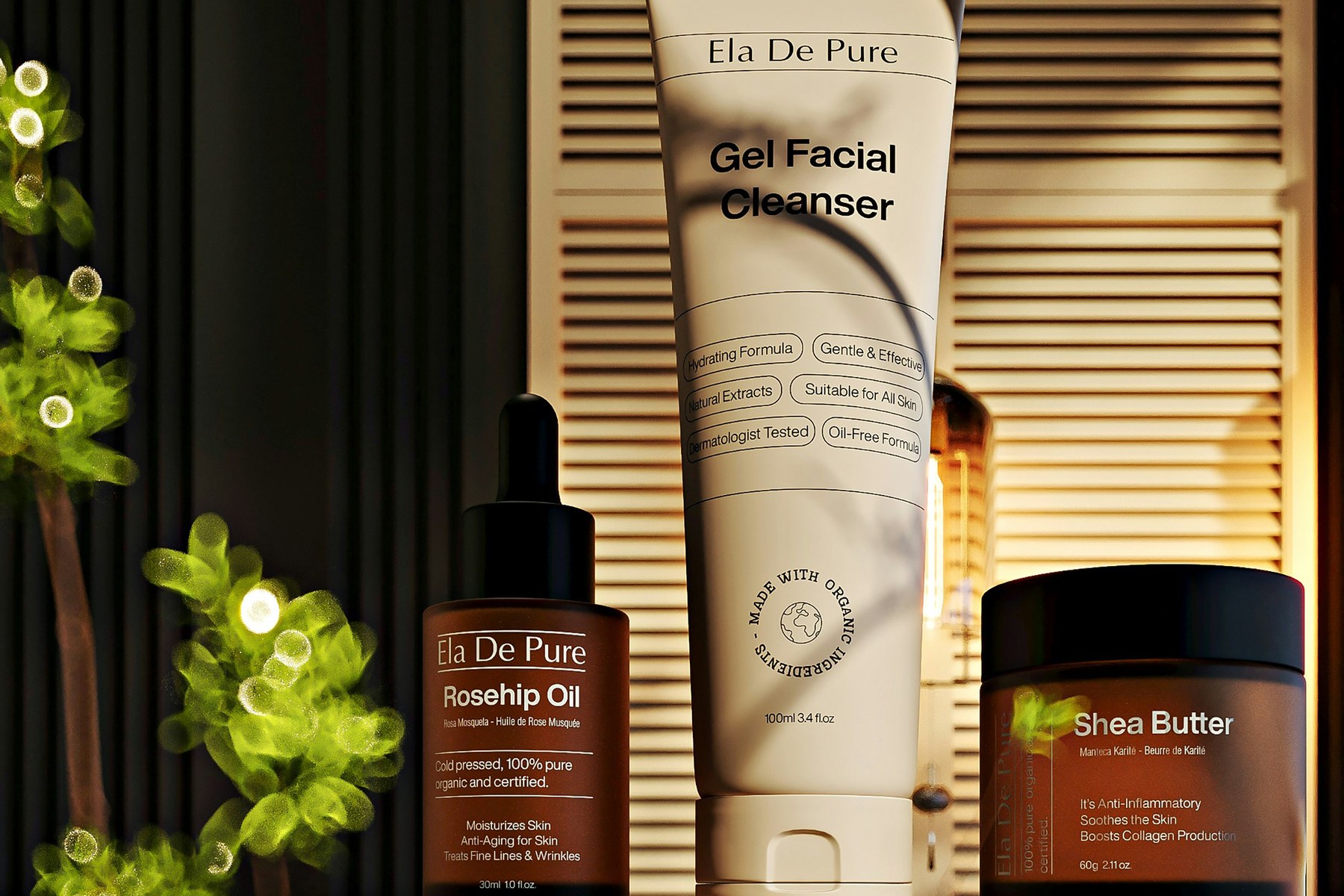
Plant oils and ceramide rich creams belong in this discussion, and readers of Face Value will raise the expected questions. In which region were the plants cultivated. By which method were the lipids extracted. Which ratio did the formulator select. A review and consensus from February 2023 says global guidelines advise barrier support products with ceramides for inflammatory skin conditions. The 2023 consensus reports topical moisturizers raise hydration, lessen desquamation, reduce scale, improve PASI-50 and delay relapse in psoriasis. That result concerns psoriasis, not acne or eczema in isolation, although the direction stays consistent. Support the lipid matrix first, and signs of scaling and dryness ease while relapse may arrive later.
Why restoration should precede potent treatment
The barrier first approach can be stated briefly and applied with difficulty. It rebuilds hydration, lipids and microbial balance before potent correcting actives are used, because restoration lifts tolerance, lowers recurrence and sustains long term skin health. The reasoning follows from the measurements above. When water loss runs high and microbial diversity runs low, acids and retinoids encounter limited resistance from skin and too little resilience inside it. Slugging and other occlusive routines can raise irritation when used over retinoids, benzoyl peroxide or exfoliating acids. A settled base permits stronger tools at lower frequency and with fewer adverse effects.
Occlusion illustrates both benefit and boundary. Petrolatum has been shown to lower transepidermal water loss by up to 99 percent, which makes it a highly effective way to retain hydration. Slugging means applying a petrolatum occlusive as the last step at night to limit water loss rather than to add hydration. For most people, slugging once to three times per week is enough, and nightly only suits very dry skin. For cracked winter cheeks or hands that sting after washing, that seal can help skin look softer by morning. For oily or acne prone skin, the same seal requires caution. Heavy occlusion that suits dry and sensitive skin may trap sebum and bacteria and aggravate oily or acne prone skin.
Support the lipid layer first, and visible scaling and dryness eases while relapse may take longer to return.
That compromise defines adult care. Adult skin frequently holds more than one issue together. A patch of eczema located close to the mouth. Breakouts along the jaw. A regimen that removes oil to clear pores may reduce the lipid matrix that keeps cheeks comfortable. Sealing eczema for comfort may soothe, yet a heavy routine can still crowd follicles. Barrier repair helps but it does not replace control of sebum, keratinization, microbes and inflammation in acne. Moisture by itself does not clear a comedo. Lipids by themselves do not calm immune activity. Skill rests in sequence and dose. Cleanse without tightening. Restore lipids in a mix near the reported balance. Protect water without smothering. Then, only when needed, adjust with a measured active.
The literature itself has become crowded. A 2025 bibliometric analysis in Frontiers in Medicine found 4,227 publications on skin barrier in atopic dermatitis from 1999 to 2023. The bibliometric analysis found yearly publications peaked at 402 in 2022 and total citations reached 164,853. The analysis found the United States led with 1,263 publications, with Japan at 627 and Germany at 602. Volume does not equal certainty. Skincare studies remain limited in count, size and methods, and stronger research across ages and skin types is needed. Much is still unknown about ideal long term frequency and formulation for occlusion across skin tones, ages and climates. It is also unclear how much barrier repair alone can delay recurrence without disease specific treatment.
A steadier regimen for reactive adult skin
Here precision about claims counts. Discussion suggests adult eczema and adult acne are both rising. No trend data for adult incidence is available. They report prevalence at one point in time, not a curve across years. They also do not compare named new brands or show which barrier first routine performs best. Label statements merit equal scrutiny. Under US law, cosmetic labels must be truthful and not misleading, and a product sold to treat or prevent disease or to affect body structure or function is a drug by law. A moisturizer may support the look of hydration and comfort. It is not a medical or legal treatment for eczema or acne. Wording that observes that boundary also respects the reader.
What the evidence does support is revised order. Start with the matrix. Seek cleansers that keep pH and comfort stable. Because proportion counts, select moisturizers that recognize ceramides, cholesterol and fatty acids rather than a single lipid in isolation. View botanical oils as part of that lipid discussion, selected for harvest and processing that preserve fatty acid profiles intact, and applied in quantities that absorb rather than sit. Use occlusion on a cycle, once to three times per week for most people, rather than automatically each night. Observe how redness, flaking and stinging change across weeks, not days. When breakouts continue, or eczema areas thicken, weep or spread, medical care remains the path. Barrier care supports tolerance. It does not replace diagnosis.
The message of the past five years, examined carefully, is restoration before correction. The stratum corneum registers each harsh wash and each hurried active. It also answers to consistent supply. Water retained. Lipids restored toward their ratio. Microbes allowed space to diversify. For skin suspended between dryness and breakouts, such steadiness may help the appearance of calm persist longer than rapid clearing.

Madeline Hawkins
Madeline runs the news desk and the evidence guides at Face Value. She reads the methods section before the abstract and keeps a tally of every study a press release cites, next to the number she could actually find.
More from Madeline Hawkins →