- Low risk wellness products remain outside strict device enforcement under January guidance
- Luna G3 sleep therapy recall reached Class I status in August for 20,160 units
- North America medical wellness market is valued at US$44.4 billion for 2026
For a reader comparing a serum with a skin sensor, the practical change is small but clear. Low risk products that only support general wellbeing remain outside strict device enforcement, a position the Food and Drug Administration restated January 6, 2026, weeks before an August 19, 2026 Class I recall of 20,160 BMC Luna G3 APAP Model LG3600 devices in the United States clarified the medical boundary.
The document is called General Wellness: Policy for Low Risk Devices. It replaces the 2019 guidance and covers low risk products that encourage a healthy lifestyle.
Software features meant only to maintain or encourage a healthy lifestyle with no link to diagnosis, cure, mitigation, prevention or treatment fall outside the medical device definition under Section 520(o)(1)(B). Non-software products with that same purpose receive enforcement discretion, which means the agency does not plan to apply requirements under the Federal Food, Drug, and Cosmetic Act.
Drugs, biologics, dietary supplements, foods, cosmetics overseen by other FDA Centers and combination products stay outside this policy. Non-invasive products that estimate blood pressure for wellness purposes may fit when the intended use is strictly wellness focused and the other criteria are satisfied.
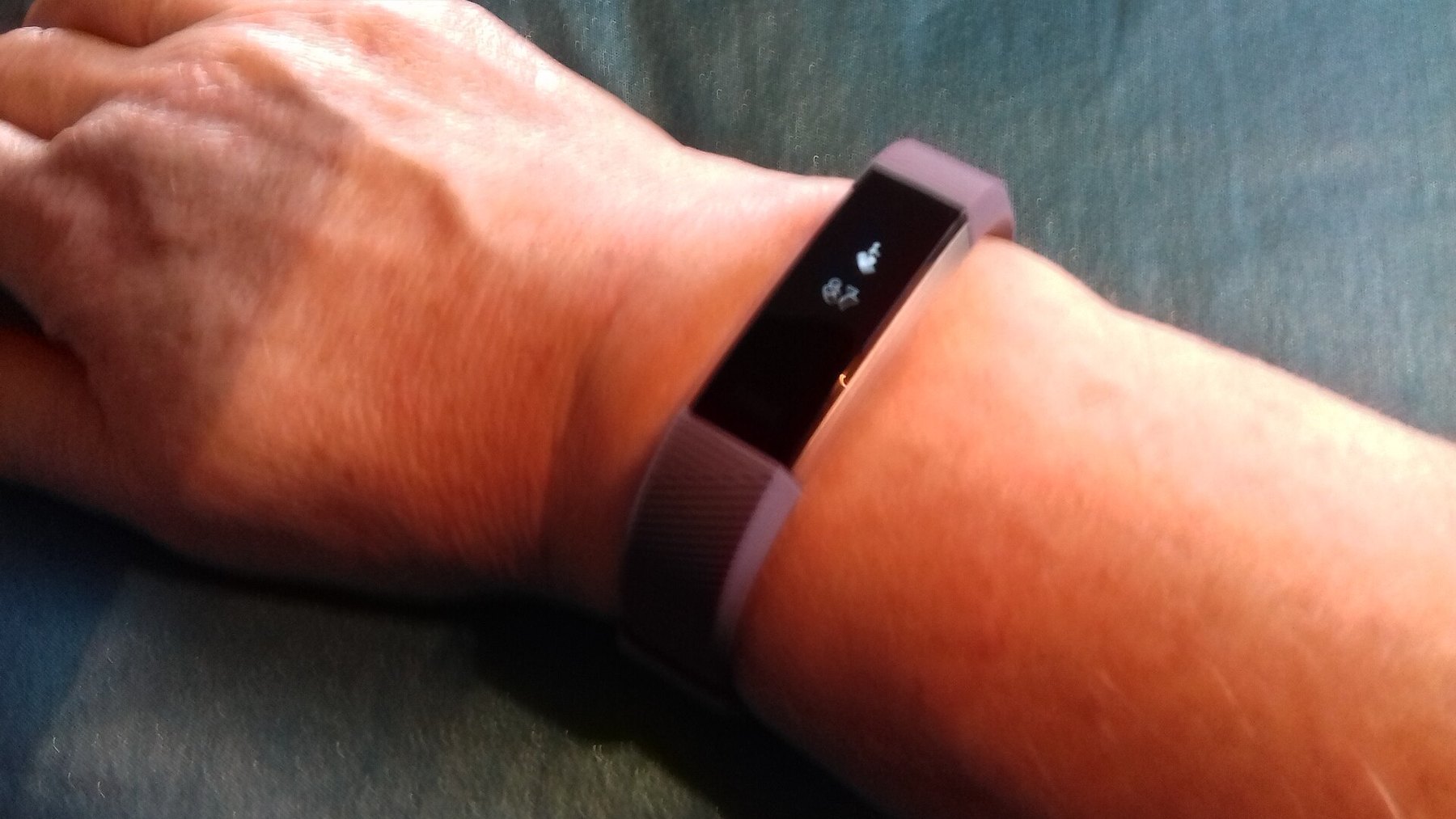
A wearable that estimates blood glucose to track nutritional effects may fit when it is specifically contraindicated for people with diabetes and pre-diabetes. A blood glucose wearable that uses minimally invasive microneedle technology does not count as low risk even when its claims describe only wellness.
Sensor based wellness products leave the general wellness group when they prompt defined clinical action, provide treatment guidance, or measure for screening, diagnosis, monitoring or management of disease. They also leave it when they claim to replace an FDA cleared device or when they refer to named diseases or diagnostic cutoffs.
The Luna G3 APAP recall showed where enforcement continues. BMC Medical Co., Ltd. reported the recall July 15, 2026 after identifying a firmware defect, and FDA assigned Recall Number Z-2979-2026.
Firmware version G3-2.00.76 could produce an error message followed by automatic shutdown and loss of therapy under high pressure, high respiratory rate and high peak flow. BMC upgraded firmware to version G3-2.00.77 for 20,160 devices at the United States importers warehouse from October through December 2024, then later found potentially up to 196 units may not have received the upgrade. BMC had logged zero complaints or serious adverse reports as of the September 8, 2026 notice. Whether any units still in use lack the upgrade remains unknown.
Forecasts point to more growth on the wellness side of that line. The North America medical wellness devices market is put at US$44.4 billion in 2026 and seen reaching US$71.8 billion by 2033 at a compound annual growth rate of 7.1 percent. The United States is expected to hold 80 percent market share in 2026, with Canada named as the fastest growing region.
Diabetic monitoring devices are expected to supply 37 percent of revenue share in 2026, with retail sales seen above 62 percent. Consumer grade devices still raise questions over uneven readings versus hospital grade equipment, plus data privacy concerns.
Watch whether 2026 retail sales meet forecasts, and how validation rules settle for everyday trackers.

Julia Atkins
Julia produces the interviews at Face Value: the research, the question lists, the follow-ups. She will ask a founder for the concentration and the sample size, politely, and then wait.
More from Julia Atkins →