- Compounded GLP-1 copies face FDA warnings now that shortage-era permission has closed
- Salt forms, added vitamins and unstudied oral versions lack proof of safety or effect
- Dosing mistakes and a NextMed refund order show why evidence should come first
For anyone comparing a lower priced GLP-1 option, the safety margin has narrowed and the paperwork matters more. Generic semaglutide stays off the market until at least 2032 under patent, with tirzepatide patents lasting to 2036, and the FDA had permitted compounding of GLP 1 drugs during severe shortages starting in 2022. Stanford Medicine reports those shortages are over and the FDA has started sending warning letters to some compounding pharmacies about unproven claims for compounded versions. The FTC shows an action called TruHeight, In the Matter of, dated July 15, 2026, listed among health claims cases.
GLP-1 means glucagon-like peptide-1, an intestinal hormone involved in control of blood glucose and hunger. Drugs that activate its receptor copy that signal. Marketed semaglutide formulations cover Ozempic, Wegovy and Rybelsus, while marketed tirzepatide formulations cover Mounjaro and Zepbound.
Copies made by compounders lack FDA approval held by the branded medicines. During the high point in 2024, almost 1 in 3 Americans using a GLP-1 drug reported obtaining it through a compounding pharmacy. Patented GLP-1 products carry list prices that can exceed $1,000 per month, and physicians describe the price and availability pressures pushing people toward compounded sources as genuine.
Chemical differences are often small on paper but relevant in the body. Certain compounders employ salt variants including semaglutide sodium, which lack human proof of safety and efficacy and lack FDA approval. Many mix in vitamin B12 plus extras such as B6, niacinamide, glycine or carnitine without established value for weight control or diabetes care. A 2026 study showed tirzepatide mixed with B12 can join chemically and create a distinct molecule absent from the FDA-approved medicine, a result Eli Lilly also reproduced.
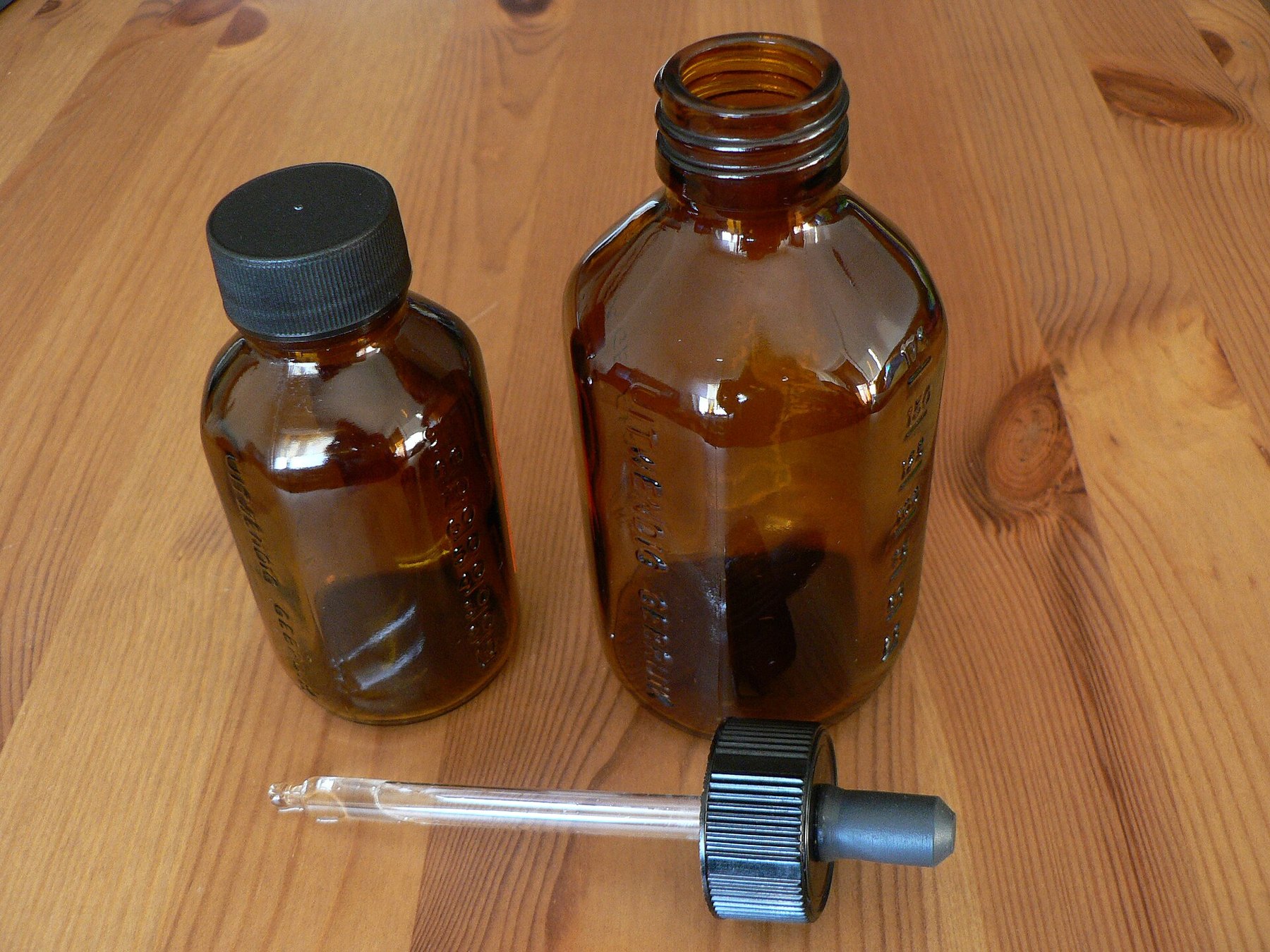
Administration adds separate uncertainty. The FDA reports instances in which users of multidose vials accidentally took 10 to 20 times the intended quantity. Some compounding pharmacies offer semaglutide or tirzepatide as sublingual drops or dissolving tablets, forms never assessed in clinical trials. Calls to poison control centers in the U.S. linked to injected weight-loss medicines have risen by more than 15-fold since 2019.
The FTC granted final approval to an order against telehealth company NextMed and principals Robert Epstein and Frank Leonardo concerning GLP-1 weight-loss programs. In July 2025 the FTC alleged in its complaint that NextMed marketed weight loss programs with hidden fees, weight loss assertions without substantiation, false testimonials and skewed reviews. The final order directs payment of $150,000, intended for consumer refunds, and demands competent and reliable evidence behind statements about average or typical outcomes.
Marina Basina, MD, clinical professor in endocrinology, gerontology and metabolism, said use of compounded drugs by people on GLP 1s without medical supervision carries real risk and can lead to serious harm.

Benjamin Marsh
Benjamin looks after the brands Face Value works with and makes sure every sponsored page is labelled as one. He spent six years on the commercial side of a New Jersey contract lab, which is where he learned what a stability test costs.
More from Benjamin Marsh →