- Prestige beauty reached $17.1 billion in H1 2026, with skincare ahead at 9% and makeup at 3%
- Body care and sun care increased 16% and 19%, while prestige skincare units moved to double-digit growth
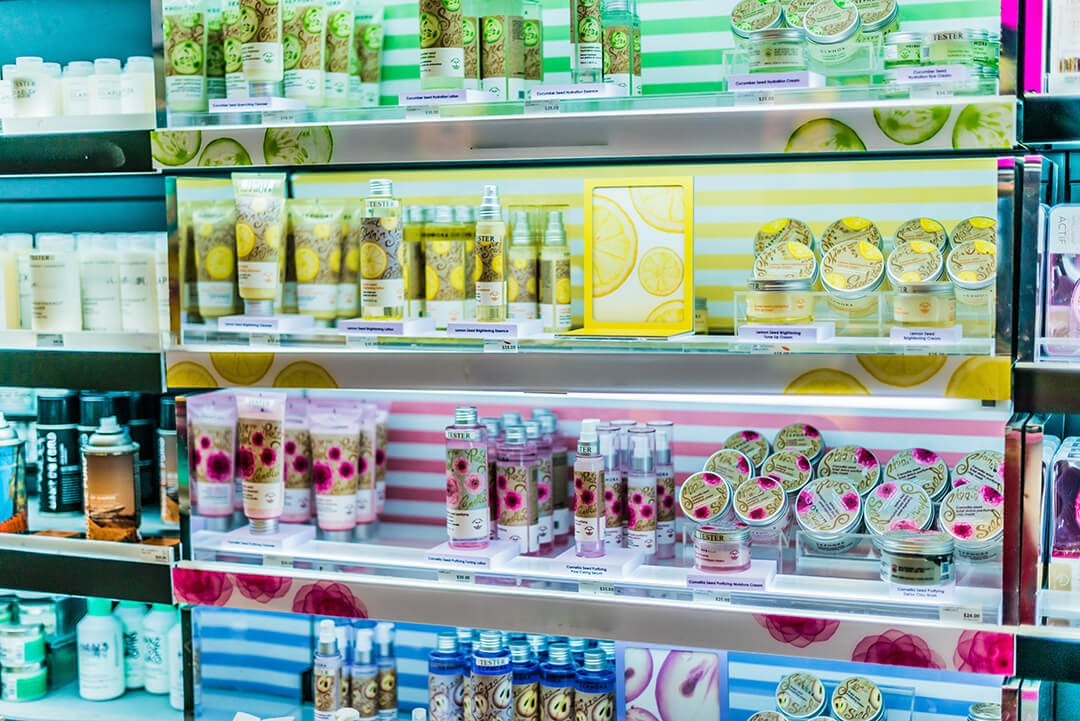
- Plant-positioned skincare returned to growth in dollars and units, and online became the top prestige skincare channel
Circana LLC tracks United States prestige and mass beauty sales, and its report dated August 11 covers the first six months of 2026. Prestige beauty rose 7 percent to 17.1 billion dollars in that period. Skincare increased 9 percent, while makeup increased 3 percent and unit demand softened slightly.
Mass beauty increased 7 percent in the half, to 39.2 billion dollars. Unit demand stayed positive in prestige and in mass. Buyers purchased across price tiers and selected products that held a regular place in use.
Prestige body care increased 16 percent, with support from body cleansers, body lotions and deodorants. Sun care increased 19 percent as buyers emphasized preventative skincare. Face cream, facial cleanser and eye treatment each recorded solid growth.
Volume adds weight to the skincare result. Prestige skincare units increased by double digits. That result follows a 1 percent decline one year earlier, which suggests daily care has stabilized. Prestige makeup increased in dollars and declined in units, which indicates weaker volume health than skincare.
Natural skin care brands returned to dollar and unit sales growth in prestige for the first time in years in the first half of 2026. E-commerce became the largest channel for prestige skin care for the first time in the half. Both changes point toward formulas selected with care and routines maintained over time.
Larissa Jensen, global beauty industry advisor at Circana, said fragrance remains a path to affordable luxury and personal expression, while skincare is gaining from interest in whole body wellness, preventative care and daily rituals. Her second point adds relevant context. She said beauty keeps gaining because shoppers will buy across price tiers and put money toward products with the strongest emotional and functional value.
Other categories supply context and do not displace the lead. Prestige hair care increased 11 percent compared with the prior year, and treatments were the largest growth driver. Prestige fragrance dollar sales increased 6 percent, with average prices up 5 percent while unit sales remained flat. Eau de parfum and perfume recorded double digit growth as shoppers moved toward higher concentration formats. Luxury fragrance, about 15 percent of total prestige fragrance, increased in dollars and units, fueled largely by women’s fragrance purchases.
Limits matter before any purchase conclusion. No absolute dollar sales are shown for prestige skincare compared with prestige makeup in the half. They do not show if skincare growth came from new buyers, repeat buying or higher prices. At this point they offer neither third quarter data nor a full year forecast.
The next signal is continued use in miniature. If body care, sun care and facial staples maintain the pace, growth will continue to come from use rather than novelty. Lip liner grew fastest in prestige makeup, while bronzer and blush both rose by double digit rates. Those accents count, but the base remains skincare.
Keep attention on replenishment rather than launches for the next signal.

Benjamin Marsh
Benjamin looks after the brands Face Value works with and makes sure every sponsored page is labelled as one. He spent six years on the commercial side of a New Jersey contract lab, which is where he learned what a stability test costs.
More from Benjamin Marsh →