- Bemotrizinol was added June 9, 2026, effective August 9, 2026, at up to 6 percent
- Testing links it to broad UVA and UVB cover, photostability and low skin uptake
- First US products are expected around September 2026 under an 18 month exclusivity
Your sunscreen label may soon list an ingredient that American shoppers have not seen before. The Food and Drug Administration added bemotrizinol on June 9, 2026, effective August 9, 2026, after a proposed order on December 12, 2025 ended more than 20 years without change to the US sunscreen monograph while Europe listed more than 30 UV filters.
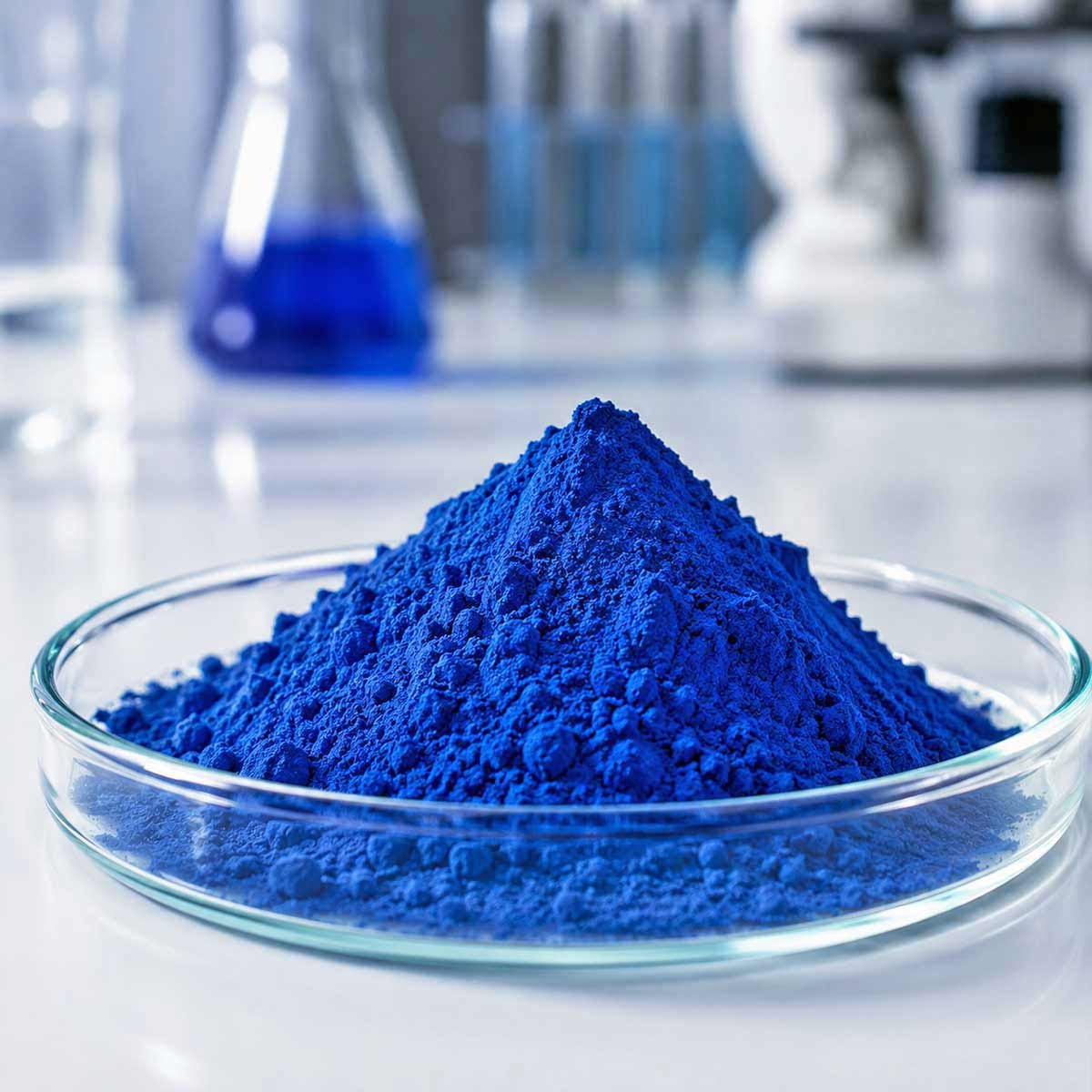
What a shopper can expect is another broad spectrum choice for daily use. Bemotrizinol screens both ultraviolet A and B radiation. Laboratory testing showed it kept more than 90 percent of its protective capacity after extended sun exposure and it can help stabilize other filters including avobenzone. With a molecular weight of 627.8 g/mol it tends to remain on the skin surface, and the agency found low levels of absorption through the skin.
The FDA regards bemotrizinol as generally recognized as safe and effective for adults and children aged 6 months and older. The request to add it at concentrations up to 6 percent came from DSM Nutritional Products LLC. That ceiling matters for formulation because bemotrizinol is allowed at 10 percent across the EU, UK, Korea, Australia, China, Brazil and India.
Use abroad is longstanding. The filter has been sold across the European Union since 2000 and also in Australia, parts of Asia and Latin America for years. Prior to bemotrizinol the US listed 16 active sunscreen ingredients, with two viewed as not generally recognized as safe and effective and rarely used. With bemotrizinol, the US total increased to 17, while the EU has approved more than 30 UV filters.
The gap is clearest for UVA. Only two FDA approved ingredients provide strong UVA protection, zinc oxide and avobenzone, while European makers can select from 10 ingredients with strong UVA protection. An Environmental Working Group review of 51 products found only 35 percent met the EU standard but 94 percent would pass the current US standard. The EU advises UVA protection at least one third as potent as the SPF.
Approval followed the streamlined process established by the CARES Act. Bemotrizinol was the first new active ingredient added under that route, finalized within seven months of the proposed order. DSM Firmenich spent at least 18 million dollars across more than two decades in its effort to win approval. It holds exclusive rights to sell bemotrizinol in the US for 18 months as Parsol Shield, with first products expected near September 2026.
HHS Secretary Robert F. Kennedy, Jr. said, “Bemotrizinol has been used safely in Europe for decades, and FDA action will increase competition and consumer confidence in sunscreen products.”
What remains unclear is when products containing bemotrizinol will be widely available beyond the expected September start, and whether the agency will advance additional pending filters such as bisoctrizole.
Until that evidence accumulates, amount and reapplication still decide protection, and the new filter is best viewed as another option to compare by concentration, vehicle and weeks of testing.

Julia Atkins
Julia produces the interviews at Face Value: the research, the question lists, the follow-ups. She will ask a founder for the concentration and the sample size, politely, and then wait.
More from Julia Atkins →