“You learn early that you cannot hurry a hive.” Solomon said it about bees, and it also describes how she formulates for reactive skin.
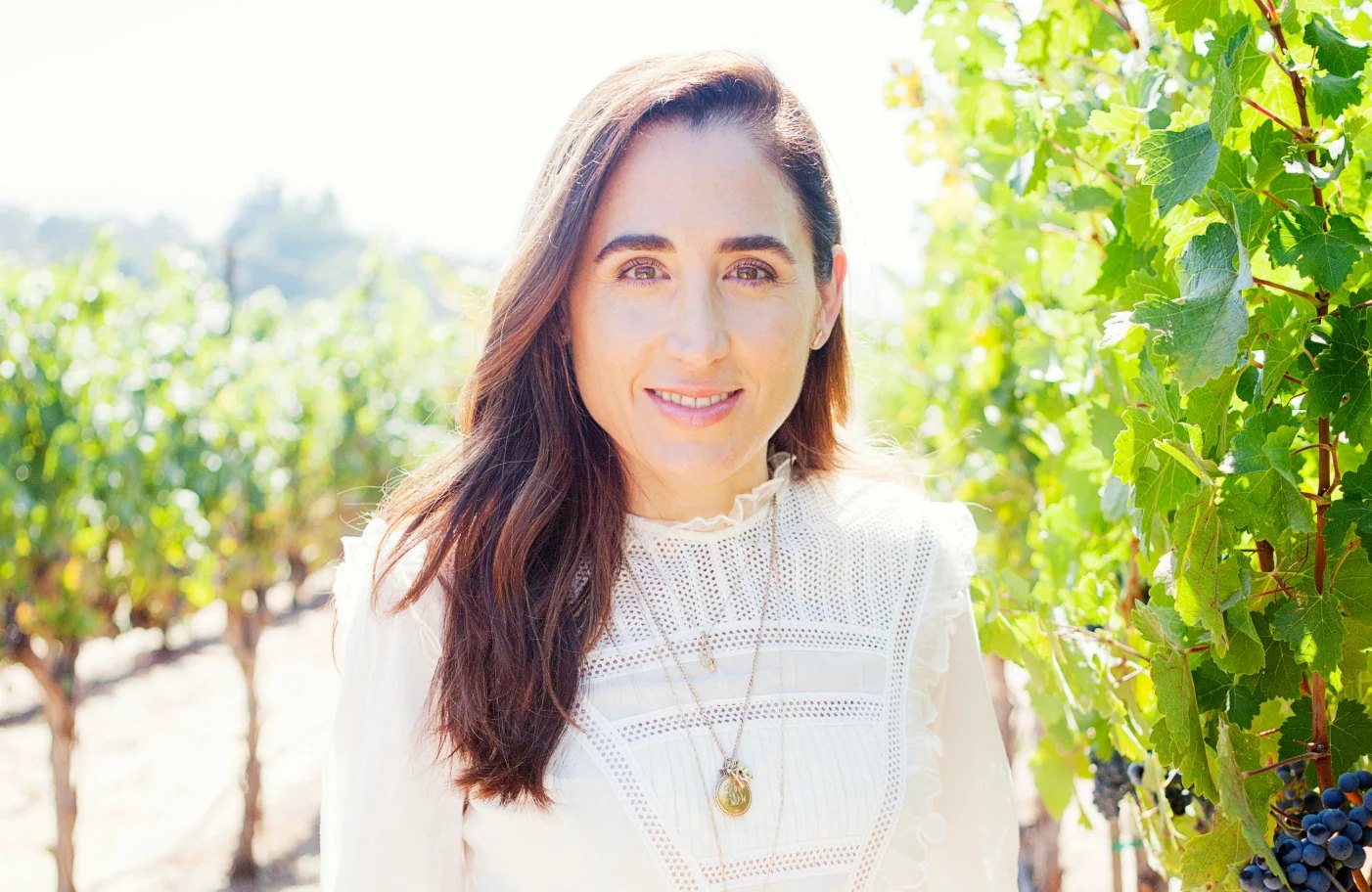
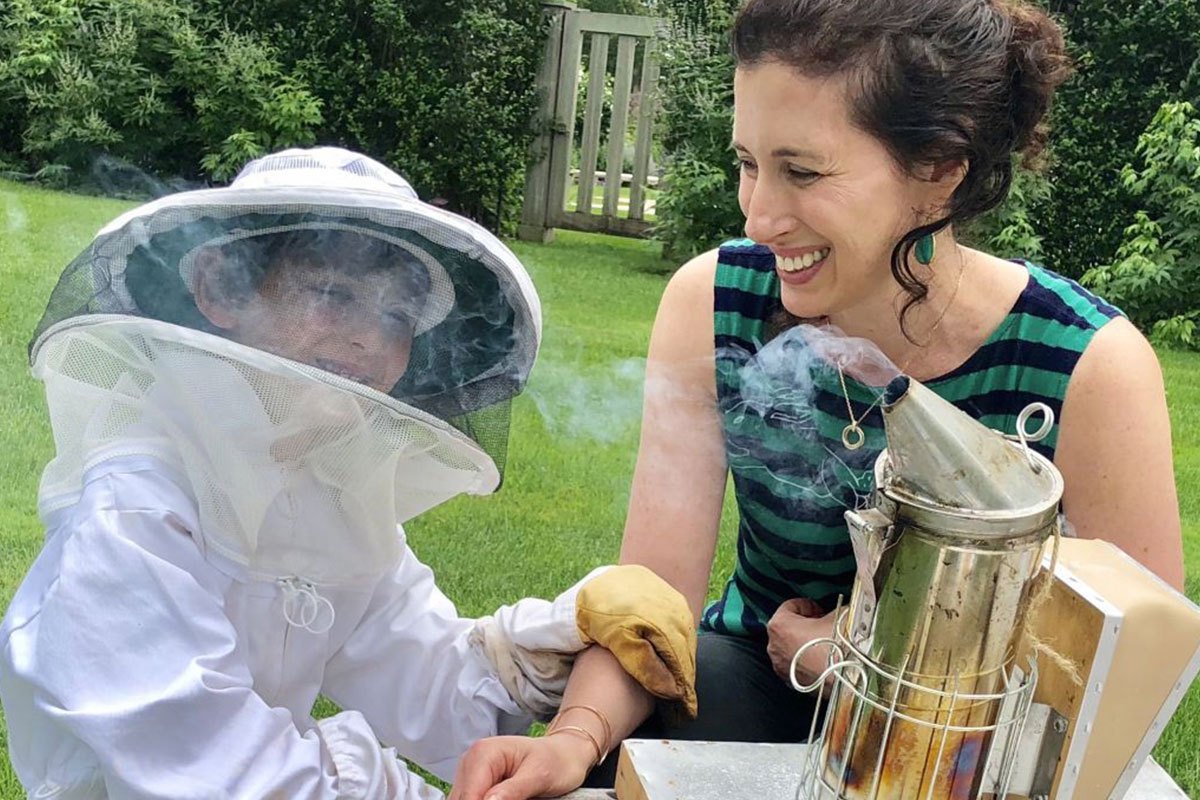
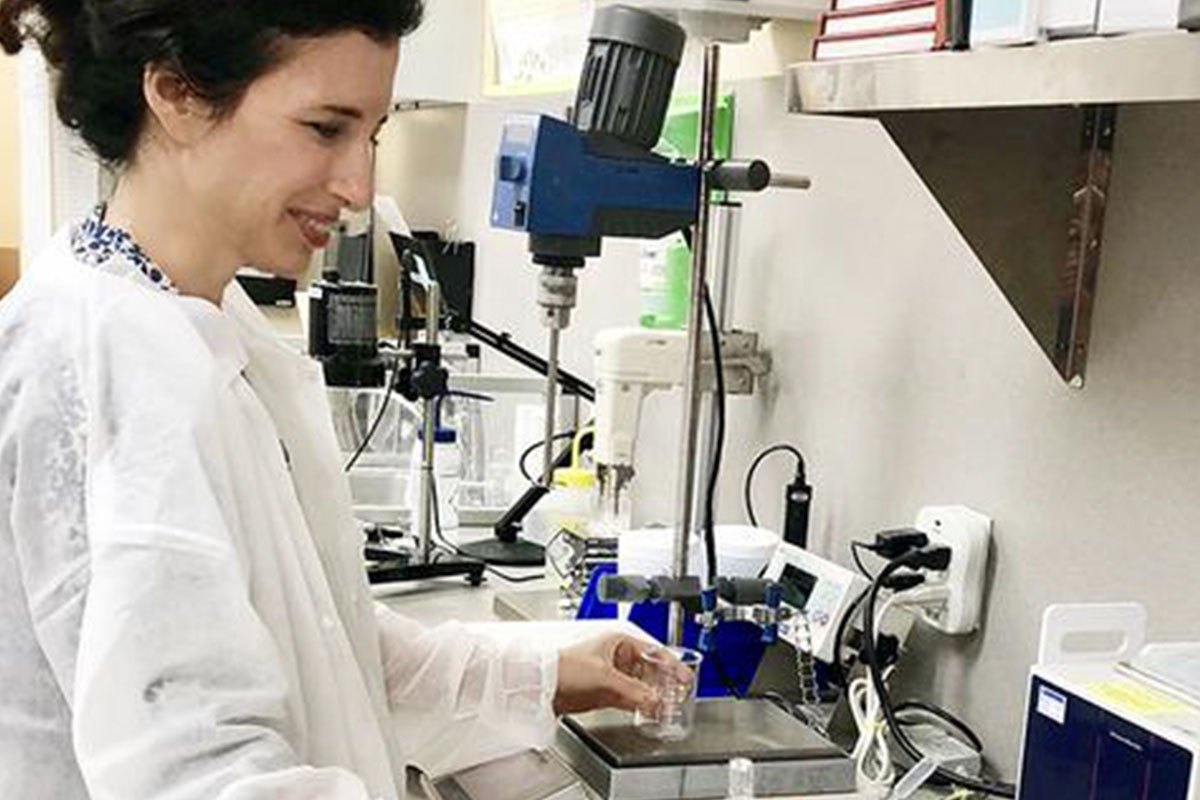
The founder grew up on a family beekeeping farm and worked hives beside her father from age seven. The early lesson stayed simple. Material from nature deserves close handling and careful use. Candles were her first product, then skin care prepared with honey and beeswax, then two and a half years in Paraguay where she instructed women farmers in beekeeping and prepared soaps and lotions from local materials.
When she came back, Solomon worked for more than ten years in product development for Avon, LVMH and Loreal. In 2007, while expecting her first child, she started to develop plant and mineral products. Her son named his stuffed security bunny Babo. She gave that name to the firm she started in 2010 with ten products in four ranges. The brief was safety, comfort and security.
Read across the line today, the brief has barely shifted. Babo Botanicals makes products for babies through adults with sensitive skin, declines sulfates, parabens, phthalates, petrolatum and chemical UV filters such as oxybenzone, and centers sun care on zinc oxide alone. The work is family care based in plants, judged on tolerance more than novelty.
You spent two and a half years in Paraguay teaching women farmers to keep bees while making soaps and lotions from beeswax and honey, after raising bees with your father from age seven. What did that period teach you about natural materials that still guides Babo Botanicals?
My family and my work belong together. I was raised near our beekeeping farm and I kept bees alongside my father starting at seven. A hive teaches patience. You observe, you pause, you hold your hands still. Then I applied and received an assignment to Paraguay in South America, where I remained for two and a half years. I instructed women farmers in beekeeping and we produced soaps and lotions with beeswax and honey. That labor was hands on. We worked with available materials, we produced them cleanly, and we divided the result. I hoped to join social responsibility with product development, which in plain language meant producing something helpful that harmed neither the user nor the source place. I was reaching toward a company built on natural ingredients, and that measure began there. Beeswax shows proportion. Honey shows restraint. A small amount performs when the base is solid. I still work that way, using certified organic botanicals and a short register of materials we will never accept.
You began pursuing plant and mineral products in 2007 during pregnancy with your first child, after more than a decade in development at Avon, LVMH and Loreal. How did formulating for your own soon to be born baby alter the way you reviewed an ingredient list?
In 2007, I started chasing my aim of building plant and mineral based products. I had started turning the concept over while pregnant in 2007. I recognized a clear opening in baby and kids hair, skin and sun care. It felt concrete. I also created shampoos and lotions suitable for my soon to be born baby. When you develop for a newborn, each entry on the ingredient list carries more weight. You question if a foam enhancer is required, if a scent is required, if a preservation system could be more simple. My time at Avon, LVMH and Loreal had shown me how to create refined textures at volume, yet it had also revealed how many additions enter for shelf appeal. I began to take them out. We are a family brand and that sets us apart in the marketplace. We offer products for babies through adults with sensitive skin. That span appears wide until you view it as a single home. One bathroom shelf, one measure of gentleness, no divided rules for child and parent.
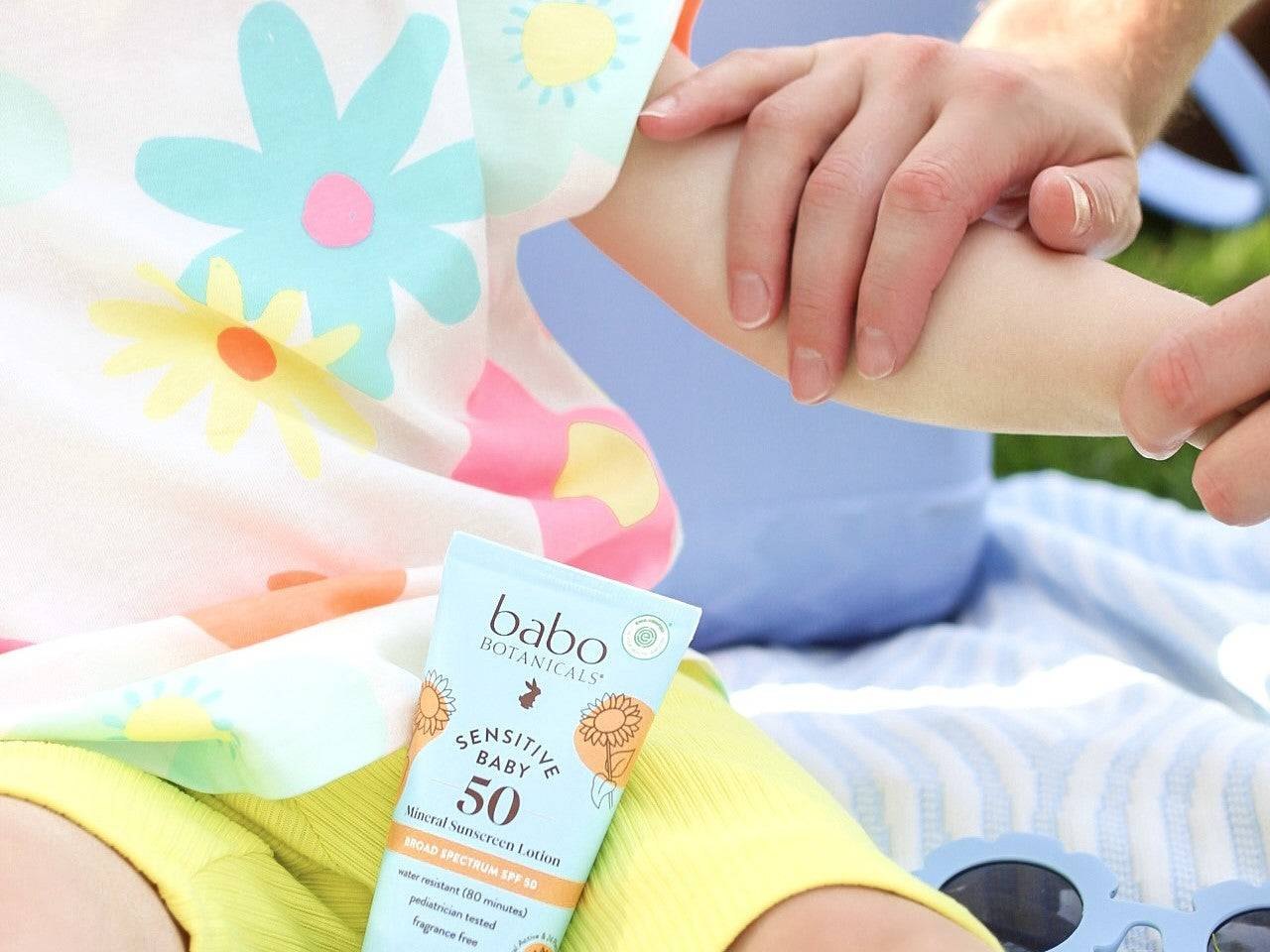
You use zinc oxide only in most products and decline chemical UV filters such as oxybenzone, calling zinc safe and effective. Why keep that position when chemical filters give a clearer and lighter finish?
Zinc is such a safe and effective ingredient, and I truly sought to introduce it. In most of our products, we rely on zinc oxide only. The decision is intentional. Zinc rests on the surface and blocks UVA and UVB rays, and it fits the sensitive skin we serve, from babies through adults. Chemical filters may provide a more sheer appearance and a lighter glide, and I see why many labels select them. But we prefer to formulate for sensitive and eczema prone skin rather than pursue fragrance or sheerness. We prefer to select certified organic and natural ingredients over lower cost chemicals. A parent ought to apply sun protection to a child and then to her own face under the same reasoning. There is a feel compromise. Zinc may seem thicker and may show a cast unless it is mixed well with plant oils and butters. So we direct our labor there, to the mixture, to how sunflower oil and shea butter support the mineral, to how a lotion spreads and settles. The position stands because the buyer stands with it. They seek gentle care suitable for daily repetition.
You describe a proprietary Nutri-Soothe complex of five certified organic botanicals used across many formulas. Which plants form that blend, and what does each contribute to the feel and function of a lotion or wash?
The blend joins calendula, chamomile, kudzu, watercress and meadowsweet, each certified organic. I regard them as a meadow inside a bottle, every one holding a task. Calendula and chamomile soften the touch and aid comfort on dry or sensitive skin. They lend a wash or lotion a calm glide instead of a squeaky afterfeel. Kudzu and watercress add a fresher, greener character to the base and keep the formula balanced rather than heavy. Meadowsweet tones the mixture and prevents it from seeming flat. Steeped as a group they infuse the base so the zinc or cleanser does not stand apart. You sense it during use. A baby lotion spreads with no drag. A sunscreen presses in with no tug. We borrow that notion from plain infusions. Steep the plants, allow them to shape the oil and water phases, then construct around them. It is not ornament. It is how we maintain a mineral formula that a child will agree to reapply, and that a parent will wear below makeup.
We would rather formulate for sensitive and eczema prone skin than chase scent or transparency.
Kate Solomon
Your son named his stuffed security bunny Babo, and you opened in 2010 with ten products in four ranges including moisturizing baby, swim and sport, lavender calming and lice repel. Why organize around comfort and security instead of one hero category?
My son named his stuffed security bunny Babo, and I retained the name because it stood for safety, comfort and security. That seemed more truthful than using my name or an ingredient name. From the beginning I sought plant based care that the entire family could trust, and that required more than a single concern. We opened in 2010 with ten products in four ranges, including moisturizing baby, swim and sport, lavender calming and lice repel. A family day passes through each of those uses. A morning wash, a playground, a swim session, bedtime. If the label fixed only sun, or only bath, parents would still need to combine standards. I chose to fix one standard and use it across routines. Family Comes First is our internal phrase. Rooted in Nature, Growing with Purpose is the companion phrase we revisit. Both describe one habit. Select certified organic botanicals where they count, retain zinc where protection counts, and omit sulfates, parabens, phthalates and petrolatum without exception.
Your Sensitive Baby Mineral Sunscreen Lotion SPF50 and your Super Shield Sunscreen Lotion SPF50 both sell strongly at 19 dollars, one positioned for babies and one for sensitive skin generally. How should a household assign them across face, body and reapplication?
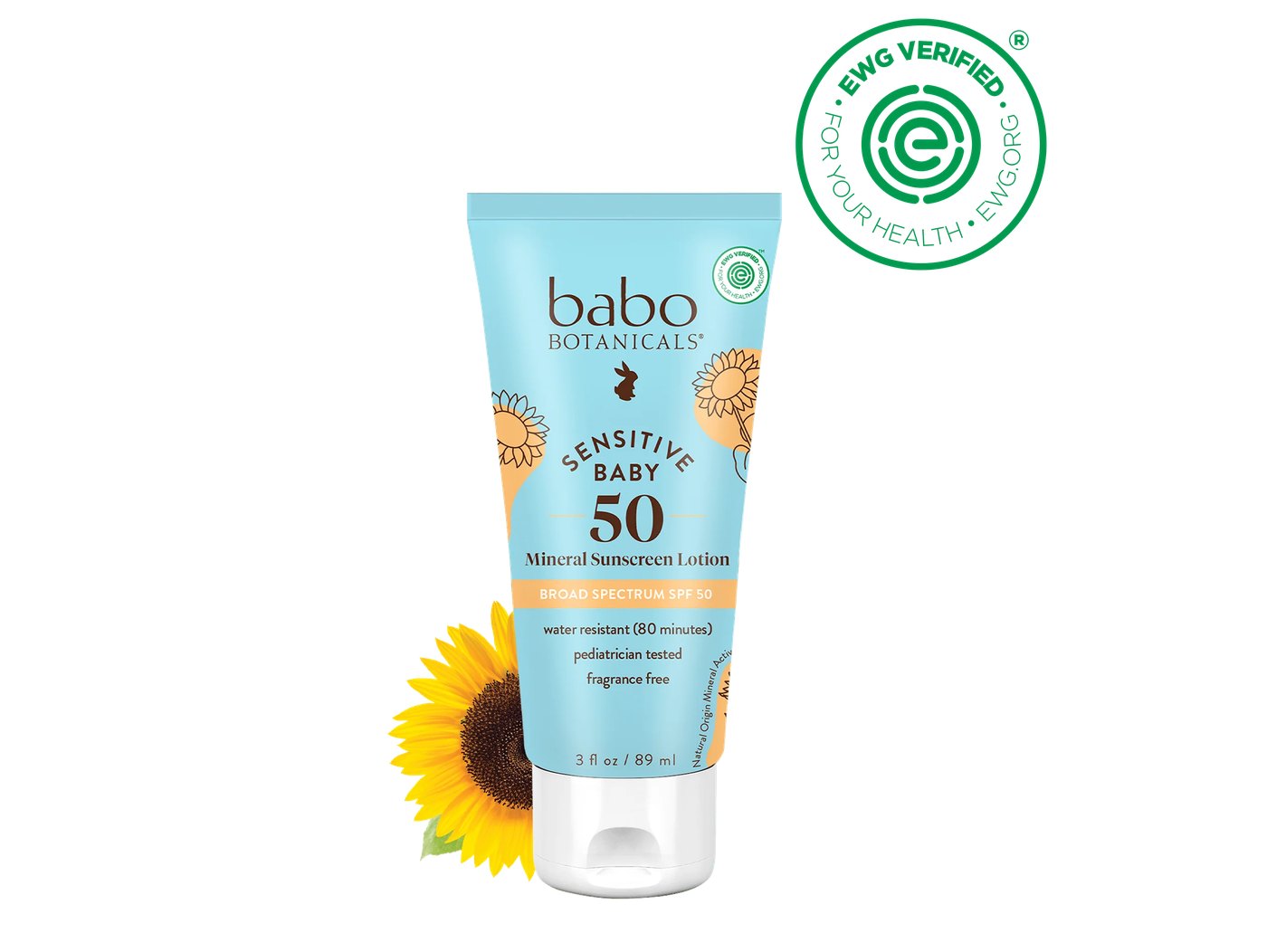
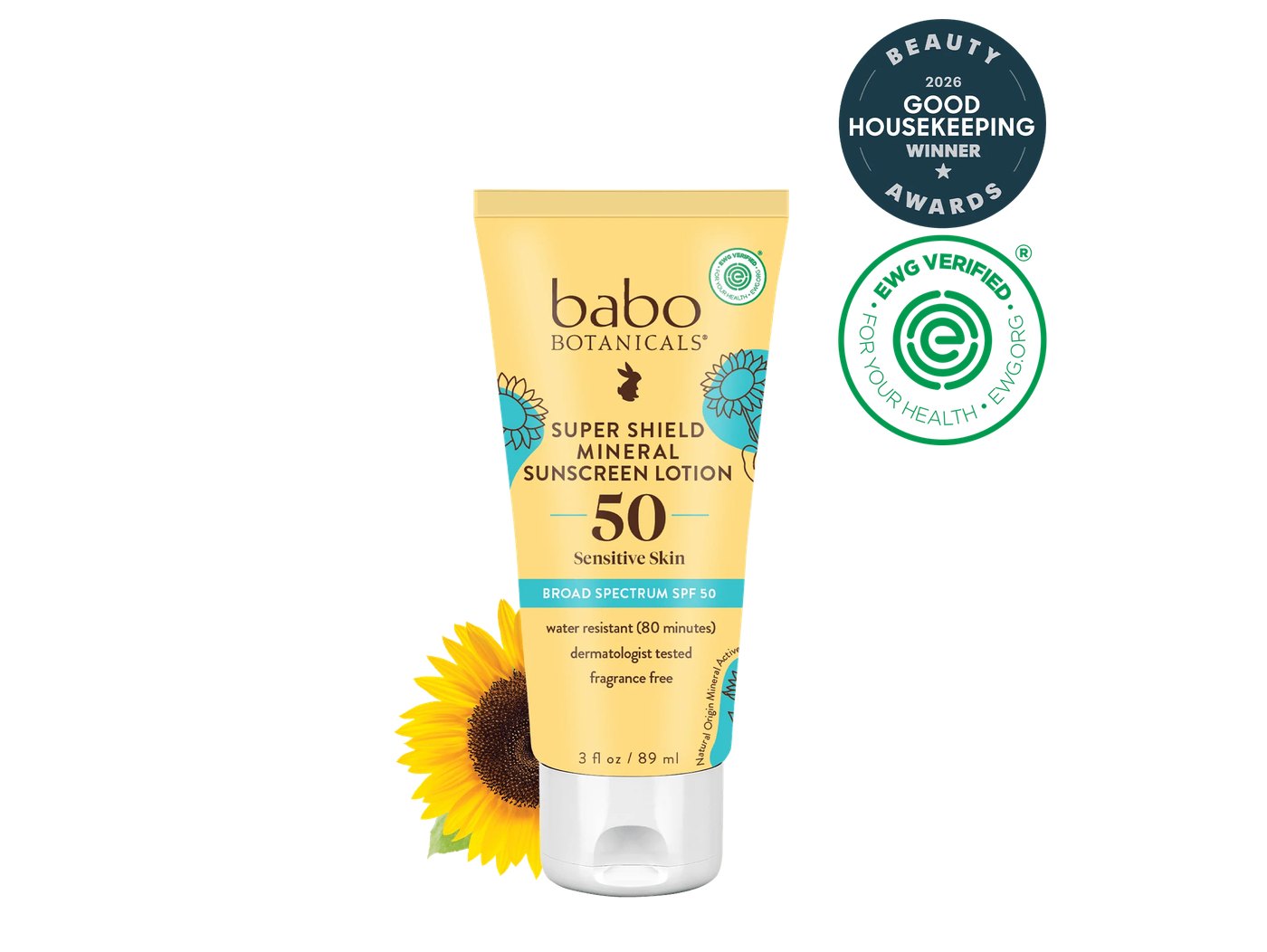
Picture them as two rows in one field. Sensitive Baby Mineral Sunscreen Lotion SPF50 is our gentle baby sunscreen you can trust, prepared with natural origin mineral zinc oxide and water resistant for sensitive skin. Spread lotion on face and body for sun protection, in a full, even coat ahead of going outside. Give care to ears, neck and tops of feet. Reapply following swimming or sweating and during the day. Super Shield Sunscreen Lotion SPF50 is our gentle sun protection you can trust for sensitive skin more widely, prepared with 24 plant based ingredients including sunflower oil and shea butter. Spread lotion on skin for sun protection in that same careful manner, and value that it serves the whole home. I advise parents to store one in the beach bag and one near the front door. The routine stays simple. Shake when needed, warm between palms, press and smooth until coverage looks even. Zinc functions when it creates that uniform barrier. A thin, hurried coat is the usual cause of burn, even at SPF50.
Your Daily Sheer Tinted Mineral Sunscreen Fluid SPF50 at 24 dollars moves zinc to the face as a lightweight tinted fluid for daily wear. What did tint, slip and layering teach you when shifting zinc from the beach bag to the morning routine?
The face demands more. It demands glide, a tint that softens the pale cast of zinc, a fluid that rests well alone or under makeup. Daily Sheer Tinted Mineral Sunscreen Fluid SPF50 is our tinted mineral sunscreen for face you will want to wear every day, designed for sensitive skin as a lightweight zinc oxide formula with broad spectrum SPF50. Spread daily on face for sun protection as the final stage of morning care. The lesson concerned layering. Cleanse, add light moisture if needed, then smooth a coin sized amount across face and neck and allow it to set ahead of makeup. If you spread it too thin to limit color, protection drops. So the tint must suit enough tones that users apply a full dose. Infuse the base with plants for glide, maintain an even mineral film, and let the tint quietly turn zinc into a habit instead of a chore. That is how zinc travels from the beach bag to the vanity.
You introduced a fragrance free line for eczema prone skin on the baby side in 2017, then entered 450 Whole Foods stores in 2018 with growth in high double digits led by mineral sunscreens. How did care for eczema prone skin revise your handling of scent, lather and moisture?
We offer products for babies through adults with sensitive skin, and the fragrance free project sharpened that claim. Eczema prone skin does not tolerate added scent or strong foam. So we omitted fragrance in that line and held cleansing mild. Lather is where many baby washes fail this group. A tall, airy foam may strip. We picked gentler cleansing that keeps skin calm, then added moisture promptly. A fragrance free baby lotion with plant oils, a face cream for dry cheeks, an ointment for cracked or chapped areas. The sequence counts as much as the formula. Brief bath in lukewarm water, pat dry, lock in lotion while skin remains damp. In 2018, when we entered 450 Whole Foods stores, growth in high double digits came from mineral sunscreens. That showed us households were scanning labels in the sun aisle as they already did in bath. Sensitive skin requires the same stable measure in sun, wash and moisture. No divided rules.
You expanded nationally in 2018 and added products for adults with sensitive and eczema prone skin. How do you extend a baby standard to an adult face without leaving it feeling thin or basic?
We began with baby and kids hair, skin and sun care, yet a mother tests what she purchases for her child. She samples the lotion on her hands. She borrows the sunscreen. So growth into adults with sensitive and eczema prone skin seemed natural. The measure remains unchanged. The formula leaves out sulfates, parabens, phthalates, petrolatum and chemical UV filters like oxybenzone. What shifts is texture and finish. An adult face prefers a fluid that stacks below makeup, a tint that mutes the appearance of zinc, a milk that hydrates with no shine. We retain the Nutri-Soothe base and the zinc, then tune the carrier oils and the touch. Sunflower oil and shea butter in the body lotion supply fuller cushion. Lighter fluids for the face distribute thin and set clean. The soil stays the same, the harvest is styled in another way. A baby requires comfort. An adult with sensitivity requires comfort that appears polished. Both require a formula suitable for use each morning with no hesitation.
Closing note from the desk
What remains is the steadiness of method. Solomon tended, then taught tending, then packaged tending. The hives, the Paraguay period, the years inside large beauty firms, the pregnancy in 2007, the bunny called Babo, the ten products in 2010, the arrival in 450 Whole Foods stores in 2018. Every stage kept shared ground.
Babo Botanicals aimed to supply families with sensitive and eczema prone skin health and beauty answers that avoid tradeoffs for family health or the environment. Read with care, that pledge appears as zinc handled steadily, plants steeped with purpose, and a morning film smoothed evenly across small shoulders and adult faces.
Product spotlight
Sensitive Baby Mineral Sunscreen Lotion SPF50 costs 19 dollars. A water resistant mineral lotion built with natural origin zinc oxide for delicate baby skin. Cover face and body evenly ahead of sun, with attention to ears, neck and feet, then reapply after swimming, sweating or during the day.
Super Shield Sunscreen Lotion SPF50 costs 19 dollars. A mineral lotion for sensitive skin built with 24 plant based ingredients including sunflower oil and shea butter. Warm between palms and press across exposed skin as the shared daily sun layer, reapplied as time outdoors extends.

Madeline Hawkins
Madeline runs the news desk and the evidence guides at Face Value. She reads the methods section before the abstract and keeps a tally of every study a press release cites, next to the number she could actually find.
More from Madeline Hawkins →