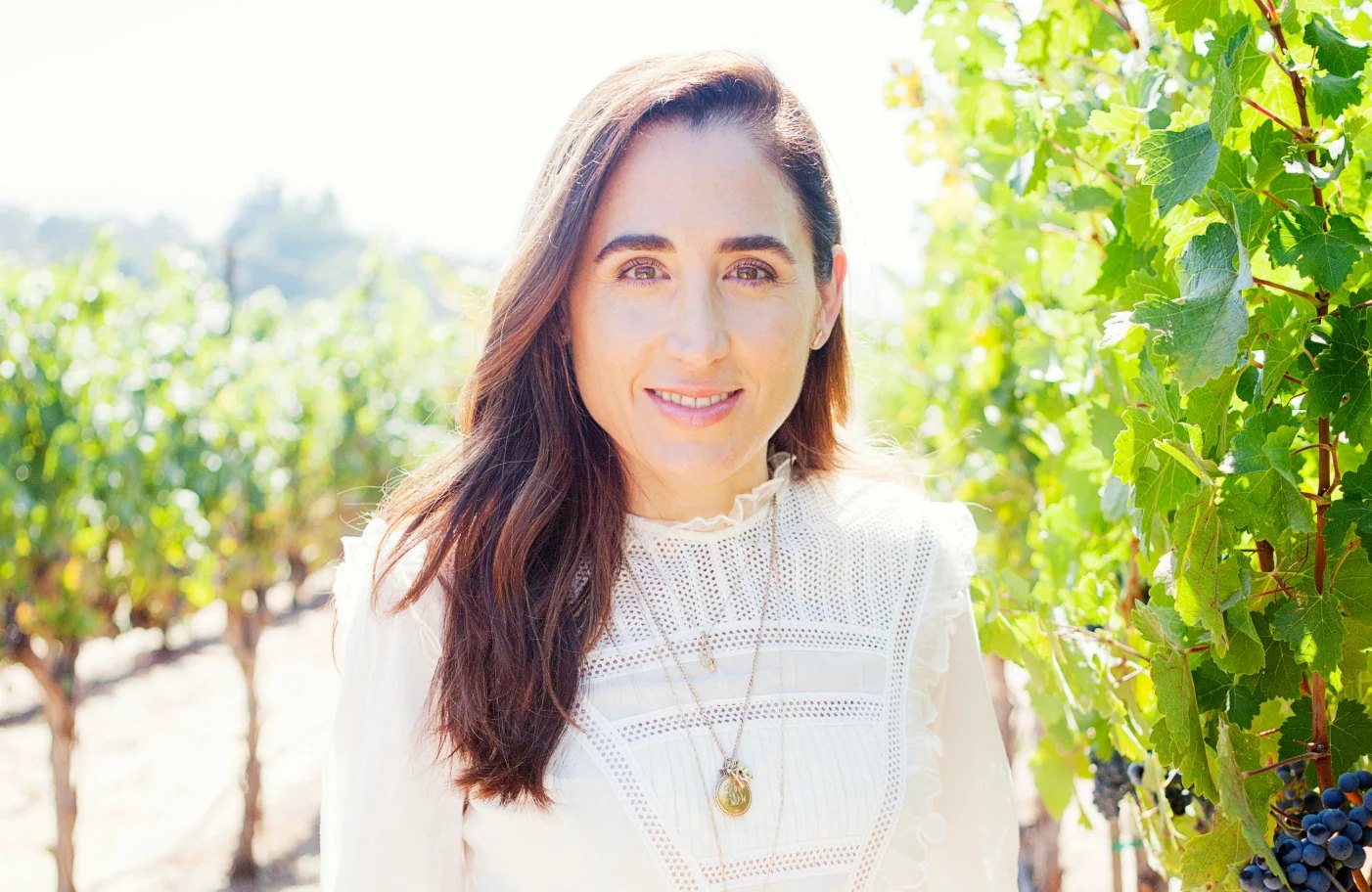
172 versions came before The Super Blend was judged ready to sell. That count tells you how Susanne Norwitz works.
In December 2014 Susanne Norwitz left speechwriting for politicians and Fortune 100 executives and launched Maya Chia in Charleston, South Carolina. She had been making creams at home after hours and comparing them against purchased products. She saw broad promises backed by thin support and wanted labels that matched the bench work.
The starting material was dietary. While following a detox that included chia seeds, she read the nutrition facts and noted a mix that looked useful for skin that appears dry or uneven. The brand name links to her father, a surgeon who repaired cleft lips for Maya families in Guatemala, and to her role as stepmother to two sons born there. Chia had been valued by Maya culture for thousands of years. That personal link set a bar for the formulas.
The company still reflects that beginning. Norwitz has written every formula herself for more than eleven years, using peer reviewed papers plus in vivo testing, paying her own way for more than twelve years, with a small team above Shem Creek. What is easy to miss is how concrete the practice is. She lists each ingredient, checks each assertion, and will not thin a formula to protect margin. Botanicals come first, but measurement makes the call.
You trained as a speechwriter who shaped messages for others while you mixed creams at night. In December 2014 you made that side work public as Maya Chia. What turned a home routine into a company?
I had spent years picking words for other people. Speechwriting shows you what a sentence avoids. In beauty I kept hearing wide claims with small backing. I was blending formulas for myself in the evening and finding them more useful than store bought jars, and friends started to request portions.
Starting in December 2014 was practical, not ceremonial. I knew how to study. Study. Study. Did I mention study. That covers the method. I read peer reviewed articles, found oil sources, filled notebooks, and watched how stability and fragrance changed across weeks. Every small batch showed me something no textbook had covered.
Charleston let me proceed at a measured pace. Our lab runs on solar power and faces Shem Creek. The light there is clear. You can judge color and texture with accuracy, and you can think without rush. That calm helped. I did not want to release before results were in, and I did not want promotion to outpace the contents.
Your current work covers scalp and hair with Power Fol Advanced for thinning linked to stress and age, plus a mild retinol supported by plant derived retinols. What did facial care show you about the scalp?
The scalp counts as skin. It reflects stress, hormone change and age through the look of thinning, shedding and limp roots. We used the same approach as for the face. Wash gently, support the barrier, supply botanicals with published data, and allow time through seasonal shedding. No fast mask, no aggressive cleansing.
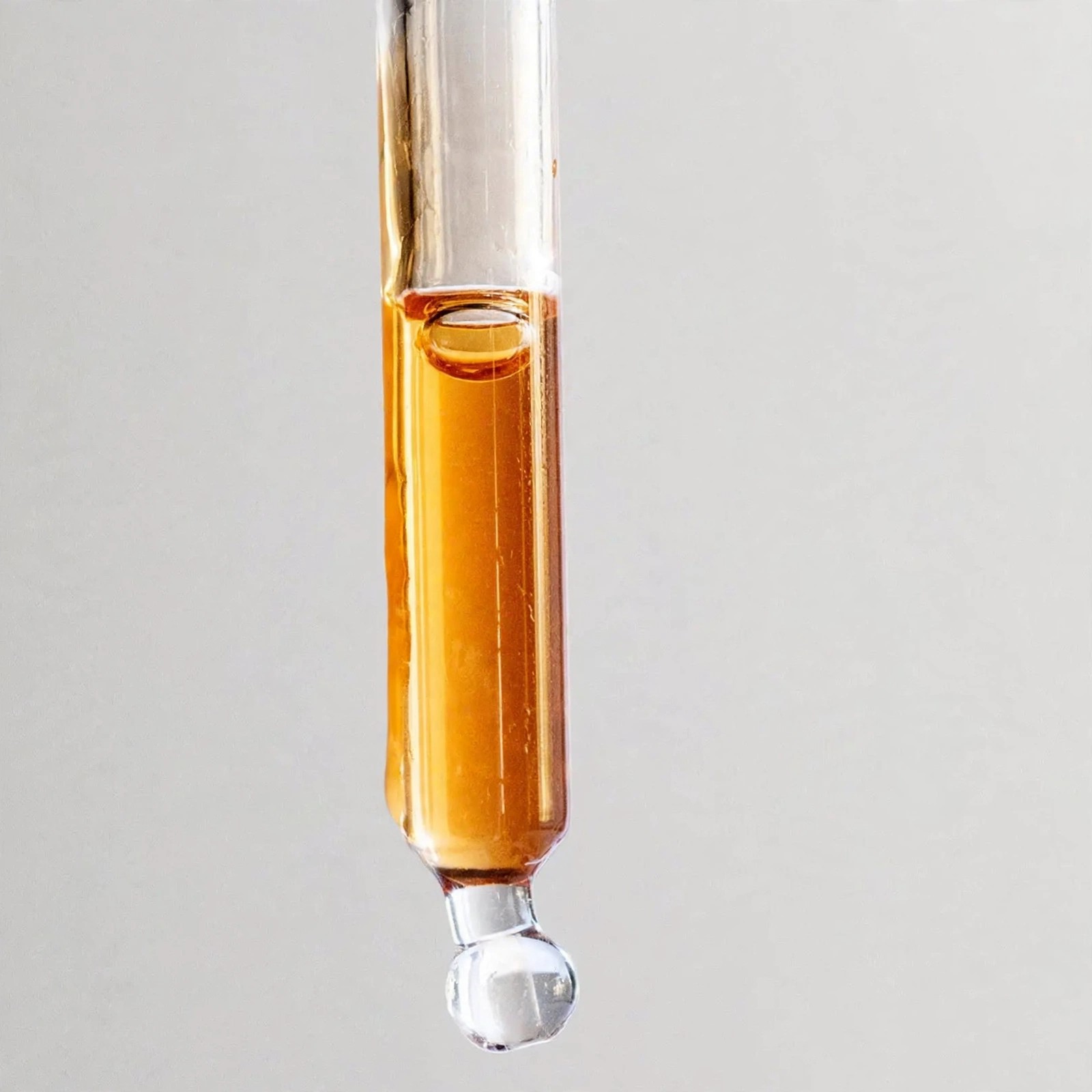
Power Fol Advanced is a treatment for scalp and hair. You place it on the scalp, massage in, apply on schedule. It is intended to support the look of denser, fuller hair with a scalp that feels balanced. The routine counts here. Warm hands, divided sections, unhurried massage, then let it stay. Skin science carried over because the requirements match. Moisture balance, settled appearance, regular use.
The Straight A Treatment offered a parallel point. It combines encapsulated retinol made without BHT with two botanical retinols for the look of age spots and adult breakouts. Encapsulation meters release, which may support comfort and nightly use. Mild does not signal weak. It signals careful, checked, and fit for daily life.
You describe a clinical grade process with peer reviewed papers and in vivo checks. Your lab overlooks Shem Creek in Charleston. What does a formulation day involve from literature to bench?
It opens with reading, not mixing. I review papers on an ingredient, its stable range, its use level, its behavior in oil and in water. Then I buy. Chia remains our base, but I seek botanicals with records and, where useful, well screened synthetics that aid stability or even tone. I hold files on vendors, harvest dates, and extraction type.
Maya Chia has always accepted well screened synthetics next to high performing botanicals. I prefer that to doctrine. If a synthetic keeps a formula safe and uniform at a low inclusion, I will list it and state the reason. People who read labels merit that candor.
Then I mix and observe. Texture, aroma, uptake, repeat. I wear the pilot for days, assess it in humidity, assess it under makeup. We check every assertion. We list every ingredient. We will not trade efficacy to hold margin. That standard is a slower model, but it is the one I accept for skin and scalp.
You were following a detox that put chia seeds on the menu, and the nutrition facts caught your eye. With that panel in front of you, what in chia seemed strong enough to support a line?
I was on a detox, and the plan included chia seeds in my meals. I read labels as a habit, so I studied the nutrition facts. I noted omega fatty acids, antioxidants, minerals, complete protein. Everything linked to healthier looking skin appeared present.
I value that it is a dense yet light oil. Chia seed oil feels weightless, it absorbs, it supports barrier moisture without a thick residue. It read as a base to extend, not a passing ingredient. I wanted to build the best for our customers, and that required a carrier that could hold other actives and tolerate everyday use.
The name tracked the plant. My father had worked in Guatemala repairing cleft lips for Maya families. I had later become stepmother to two sons born in that area. When I learned chia had been valued by the Maya for thousands of years, it anchored the work. It was not adopted history. It was personal, and it set a measure for the formula itself.
The Super Couple joins supercritical chia oil with astaxanthin and shows that coral tone. You have called it a masterpiece and Beauty Heroes made it a Hero product in 2021. Why did that pair make sense?
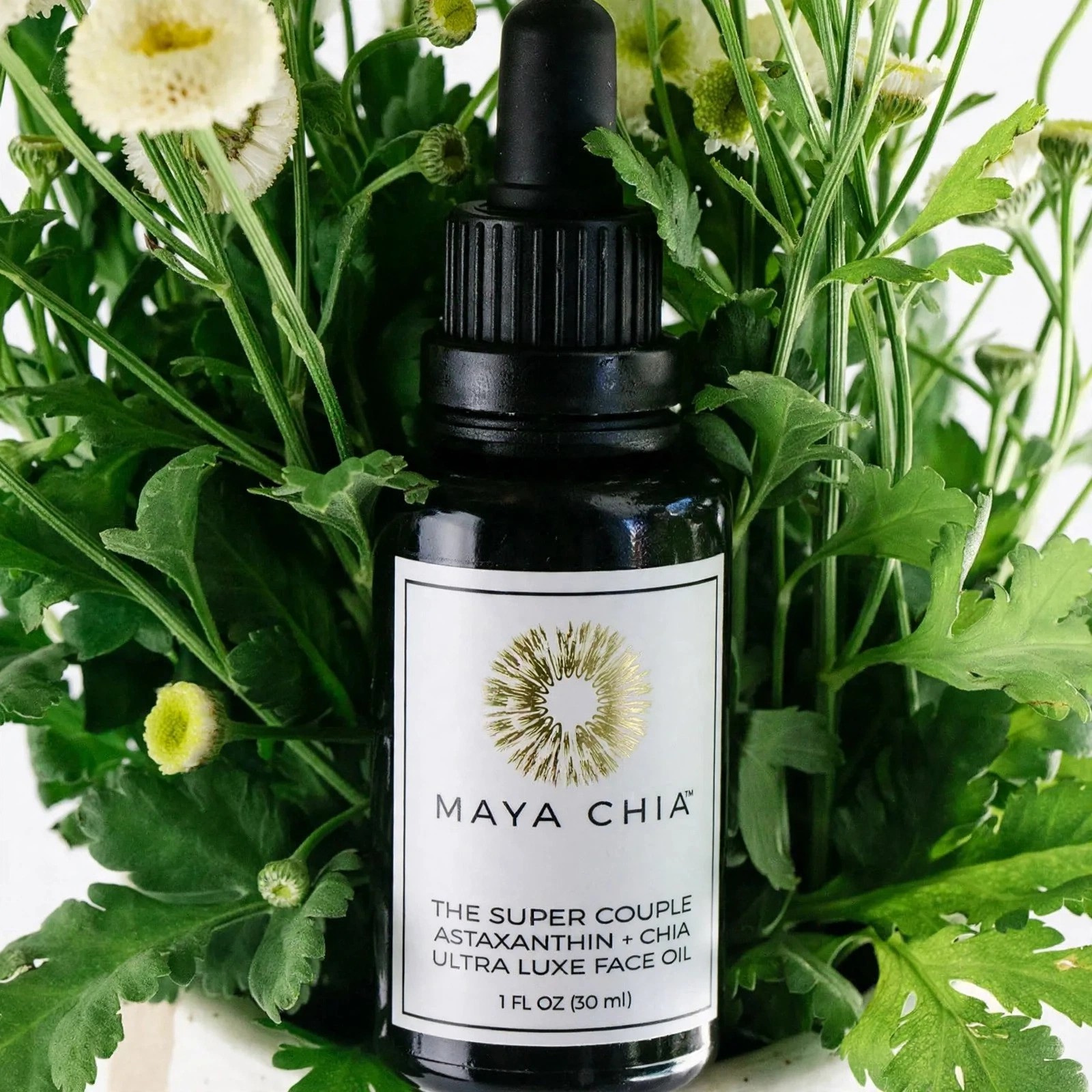
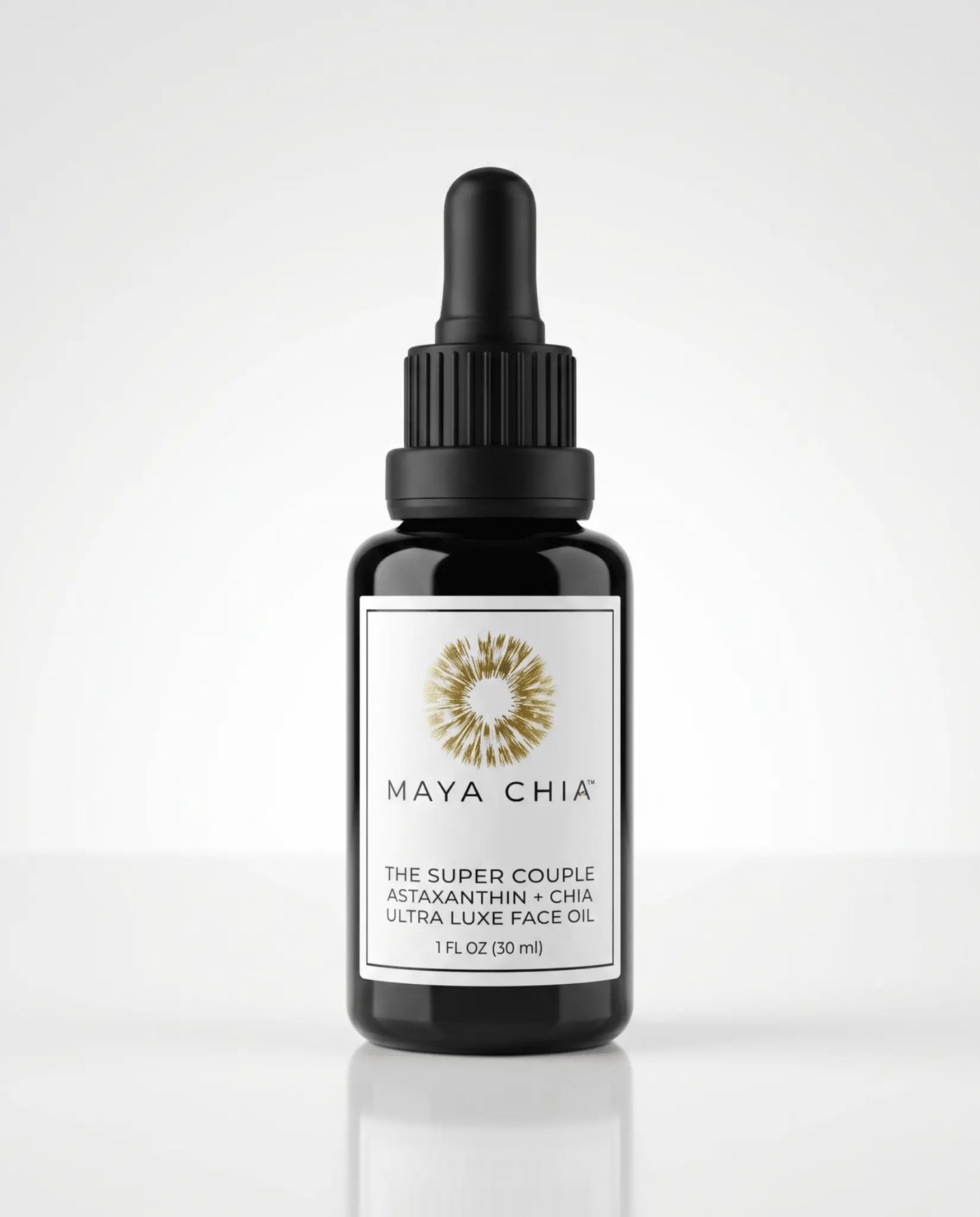
The Super Couple remains our first hero. Supercritical chia oil gives light moisture and a settled feel suited to sensitive appearing skin. Astaxanthin gives antioxidant support and that coral shade. Paired they form a multi correctional face oil that speaks to the look of dryness, dullness and loss of firmness without a weighty afterfeel.
I wanted an everyday oil serum move, not an add on. You use it after cleansing or after a water based serum, press into warm skin, morning and evening. Take a few drops, breathe, press again on dry zones. The color signals content. It is not tint. It is the carotenoid itself, held in oil so it spreads uniformly.
We want to build the best for our customers, and this formula fixed the bar. It needed to absorb cleanly, layer well, and show visible change over time with regular use. When Beauty Heroes chose it in 2021, it affirmed that a plain concept, handled with care and checked properly, could stand with peers.
I read the peer reviewed literature, sourced the oils, kept notes, and tracked how stability and scent changed over weeks.
Susanne Norwitz
You report 172 tries to land The Super Blend, a moisture concentrate with your fullest ingredient list. What failed along the way, and what marked number 172 as finished?
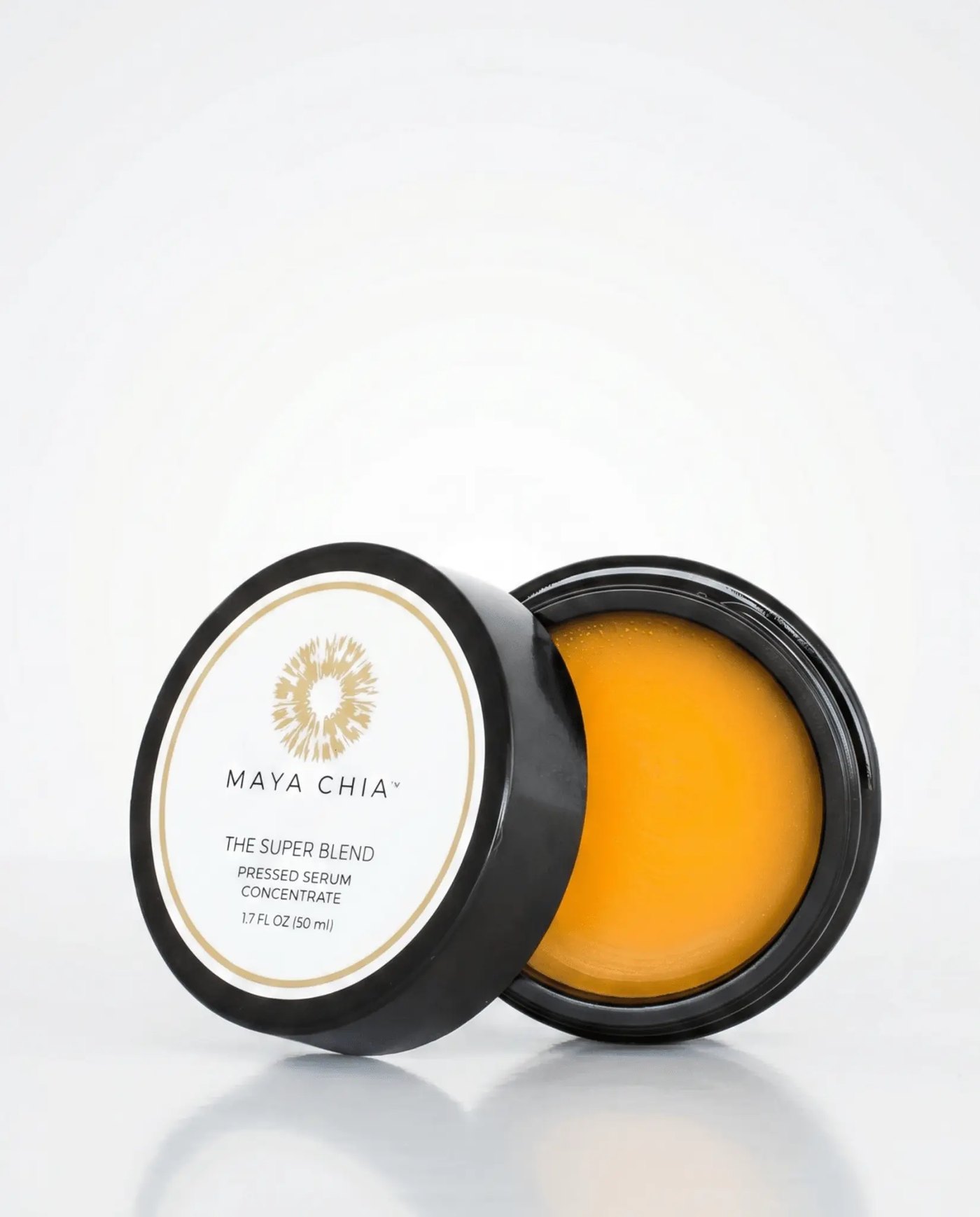
I will state we needed 172 tries to bring the Super Blend formula home. People take that count as rounding. I saved the notes. The problem was body without heaviness. I sought a pressed serum that acted as a moisture concentrate, full of botanicals, yet still easy for daily wear in humid air.
Early trials pilled, or turned too resinous, or muted the glow I sought. Some split after seven days. Others appeared fine in glass yet rested on skin. Every revision required rebalancing oils, humectants and stabilizers, then pausing to read the real texture. Field notes count as much as bench notes.
Batch 172 spread clean, kept hydration, and sat under oil. It felt rich without filming, and dry areas appeared softer by afternoon. Makeup applied evenly. That marked the point. We released when evidence and hand matched, not when the schedule pressed.
Clean can slide toward dogma, but you combine botanicals with synthetics where data favor it. How do you assign the plant the lead and when does it require support?
The plant stays ahead when it performs best. Chia oil supplies moisture and glide. Plum oil from a Cosmos approved orchard in France helps soften skin. Many seed oils, fruit extracts and ferments offer texture and aroma no synthetic repeats. I retain them when they work and stay stable through heat and humidity, and when the harvest record meets our files.
I add support for preservation, pH control, shelf life and even tone. Brighter Days Ahead names the finish we seek, rested and clear, not changed. The support is clinical. The outcome is visible. That calls for in vivo testing when possible, and direct wording on what a product may aid in the appearance of firmness, hydration and tone.
Do the work is my note to self. Read, mix, test, repeat. Do not let AI reason for you rather than with you. Plants merit that regard. They are not emblems. They are goods with harvests, soils and seasons attached, and the formula should respect that source.
Maya Chia has stayed self funded for more than twelve years, and you frame growth and profitability as working together. How has independence shaped your formulation limits?
Maya Chia has stayed self funded for more than twelve years. Growth and profitability are not opposed. They sit in a functional relationship, and each should carry equal weight. That stance lets me refuse, and refusal guards the formulas.
I will not launch before testing ends. I will not replace a strong botanical with a cheap proxy to spare margin. I will not use fear marketing and long free from lists. Our customer studies labels. She tracks dryness, firmness, uneven tone, thinning hair. She seeks results, not noise, and she can sense when a texture has been diluted to hit a price.
Independence also allowed breadth. We now serve about 250 offline doors including Miraval and Four Seasons spas, and we hold an Allure Best of Beauty Award with four straight Readers Choice nominations. That followed from steady work, not from pursuing scale that would demand cuts in sourcing or testing.
Closing note from the desk
What remains is the method. A founder still at the bench after more than a decade, logging tries to 172, funding in small steps rather than borrowed pace. Creek light, kept notebooks, no early release. Those points sum to confidence a reader can sense in how an oil spreads.
Maya Chia aimed to craft luxury clean care with measured results, grounded in chia and open about scientific aid. Read in order, the range is coherent. Oil first, then concentrate, then focused care, each named and checked. Harvest guides, the lab verifies, and the routine carries it morning and evening.
Product spotlight
The Super Couple costs 86 dollars and is sold as a multi correctional face oil serum. Supercritical chia oil with astaxanthin forms a coral oil that presses smoothly into skin. Apply daily as the oil serum move after cleansing, morning and evening, to support soft barrier moisture and the look of glow.
The Super Blend costs 110 dollars and is sold as a high performance moisture concentrate. The line’s fullest ingredient list, settled across 172 tries. Apply as a pressed serum ahead of oil to support the look of plump, deeply moisturized skin with an even finish.

Julia Atkins
Julia produces the interviews at Face Value: the research, the question lists, the follow-ups. She will ask a founder for the concentration and the sample size, politely, and then wait.
More from Julia Atkins →