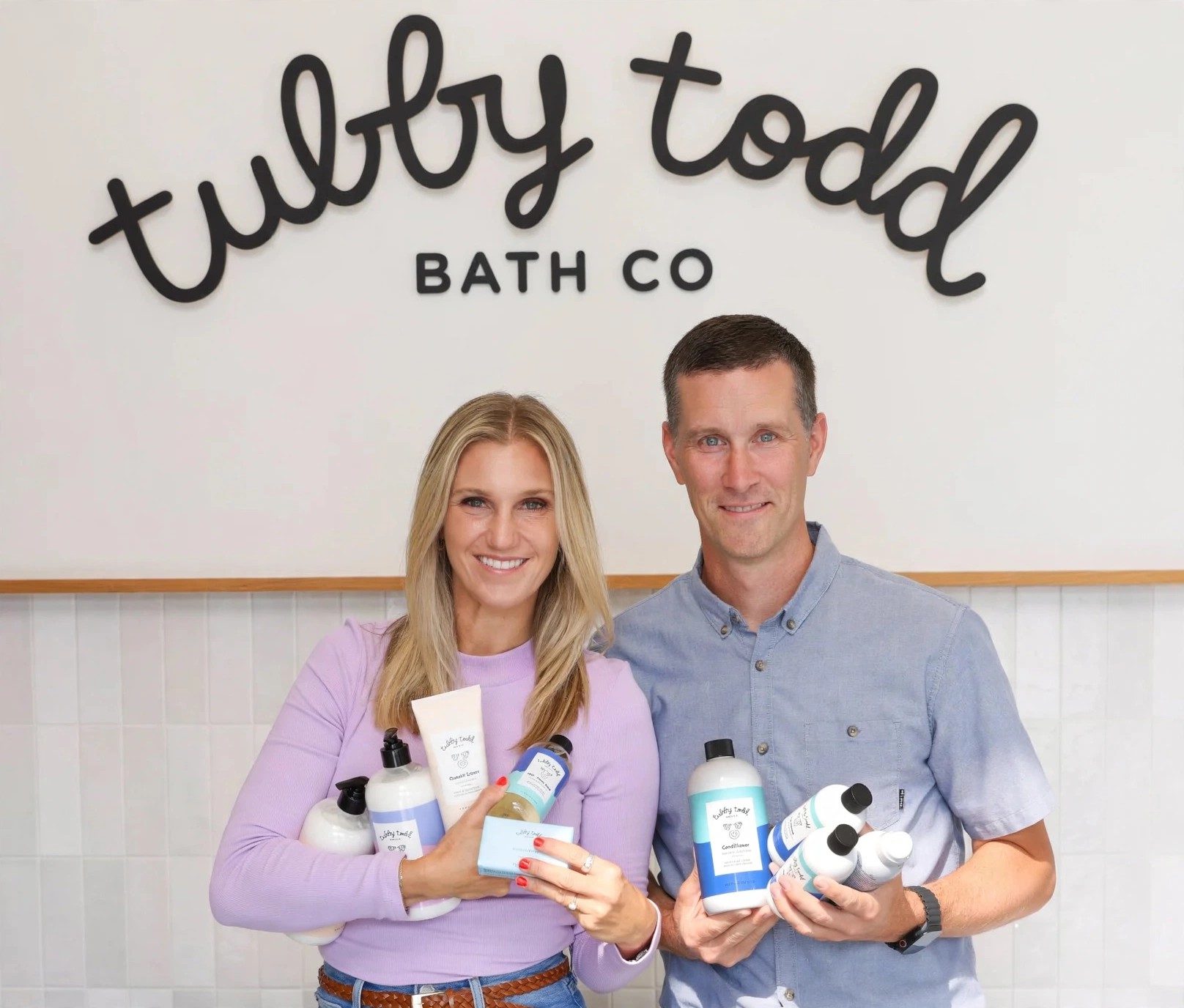
Tubby Todd began because two parents could not find a wash that cleaned without leaving their children dry and uncomfortable. That practical problem shaped every formula that followed.
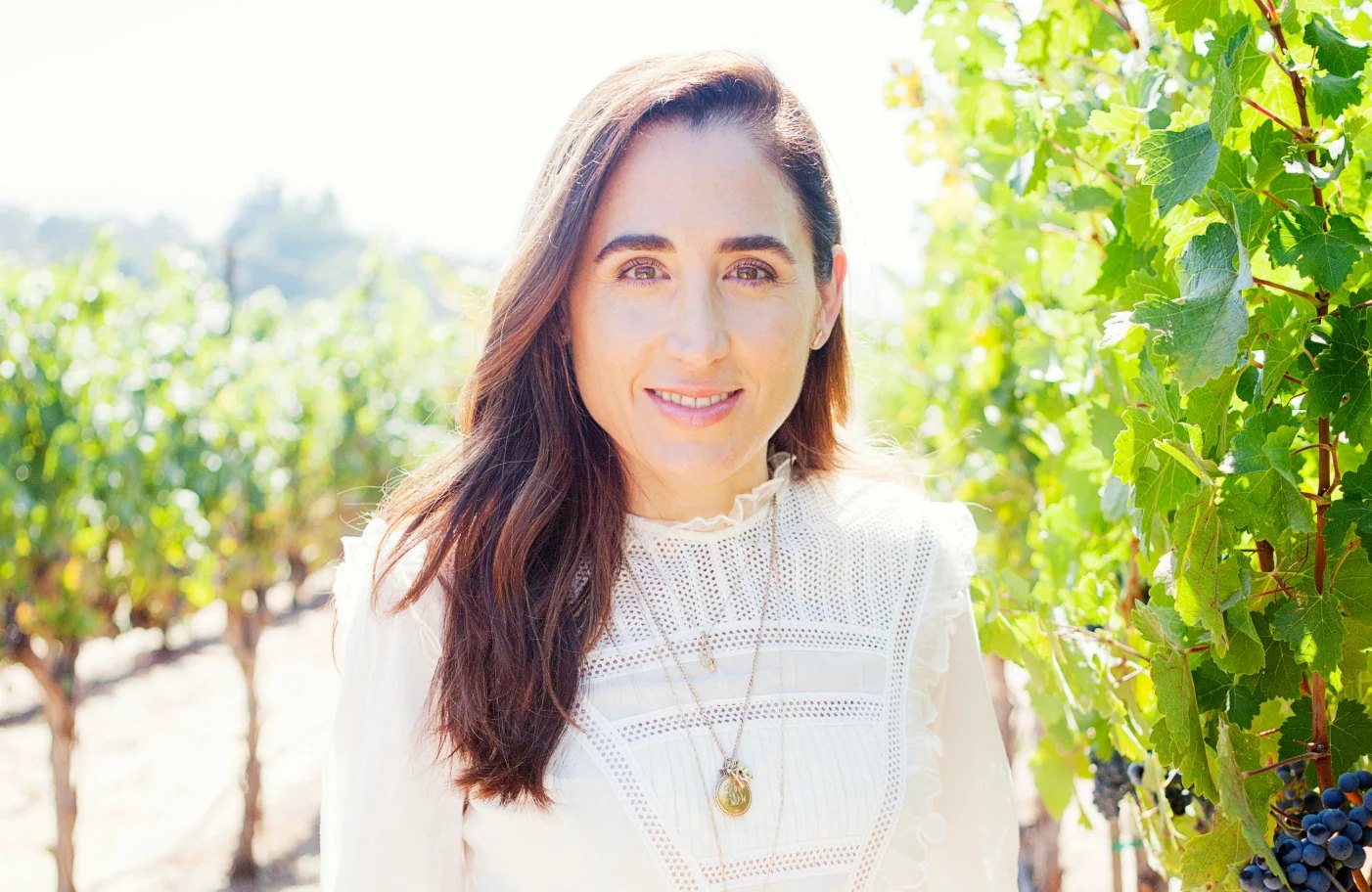
The setting matters here. San Diego in 2014, a home bathroom rather than a retail plan, and a second child with eczema during two years of development. Andrea Faulkner Williams and her husband Brian were not trend watching. They were testing bases on their own family.
Brian worked in sales and marketing inside a formulation facility and had watched cost and scent drive many decisions. One evening while driving home he phoned Andrea with a proposal to develop their own childrens bath products. The name Tubby Todd arrived quickly. The formulas required about two years of work with professional formulators.
That period coincided with the birth of their second child, who had substantial eczema. The brief changed from a pleasant natural wash with good lather to basics that could be used on dry and irritated skin. When the family used the early hair and body wash on their son Walker, his skin cleared completely. Parent bloggers described the change, other parents wrote with similar reports, and a community formed around nightly bathing.
Read across interviews and product pages, the approach stays plant led and deliberately narrow. The formula uses jojoba esters for slip, camellia leaf extract for calm, and colloidal oatmeal at one percent for comfort. Wash gently, moisturize daily, seal dry areas. That sequence repeats for a decade.
It began with a body wash described as soothing and hydrating while keeping moisture intact and avoiding irritation. In the About copy that sentence sounds like positioning. Across longer interviews it functions as an inclusion rule. What was omitted, what remained, and whether four children could use it nightly.
That wash really was the start. We wanted clean and natural ingredients, yet we were tired of products that smelled dull. Much of what we saw in stores seemed thin or weak. It produced brief foam and then left skin taut and dry, which fails a small child.
Brian had observed manufacturing from inside, how labels select bases and scents and target prices. We believed we could choose another path. Since we have four small children, we make only products we wish to keep in our own homes. That turned into our standard. If we would not reach for it every night with our own kids, we would not produce it.
Our first product was a hair and body wash released in 2014. It needed two years. We collaborated with formulators, we trialed versions, we revised. We sought something pure and hypoallergenic, with natural extracts and plant based ingredients, that still foamed properly. Foam counted because bathtime must feel pleasant. Gentleness counted more, because skin must feel calm afterward.
You describe choosing the best ingredients rather than thinning a formula to meet a shelf price, where did that principle originate and how does it appear in the All Over Ointment with jojoba esters, camellia leaf extract and one percent colloidal oatmeal.
It originated in observing how price targets shape formulas. It is simple to weaken a product to reach a figure. We refused that tradeoff. We prefer to justify a price openly rather than quietly reduce strength. Parents notice the distinction in a balm. It either retains moisture or it fails.
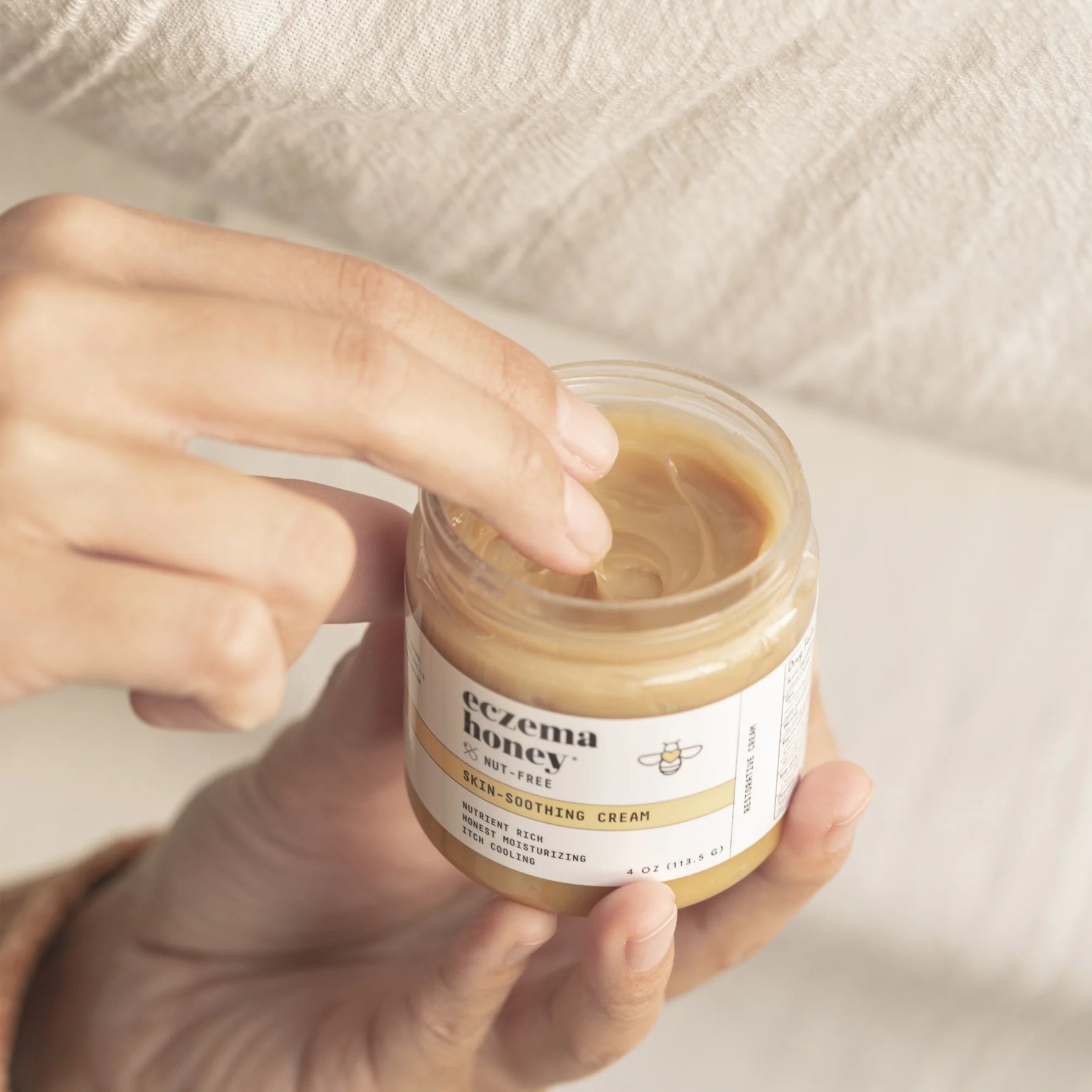
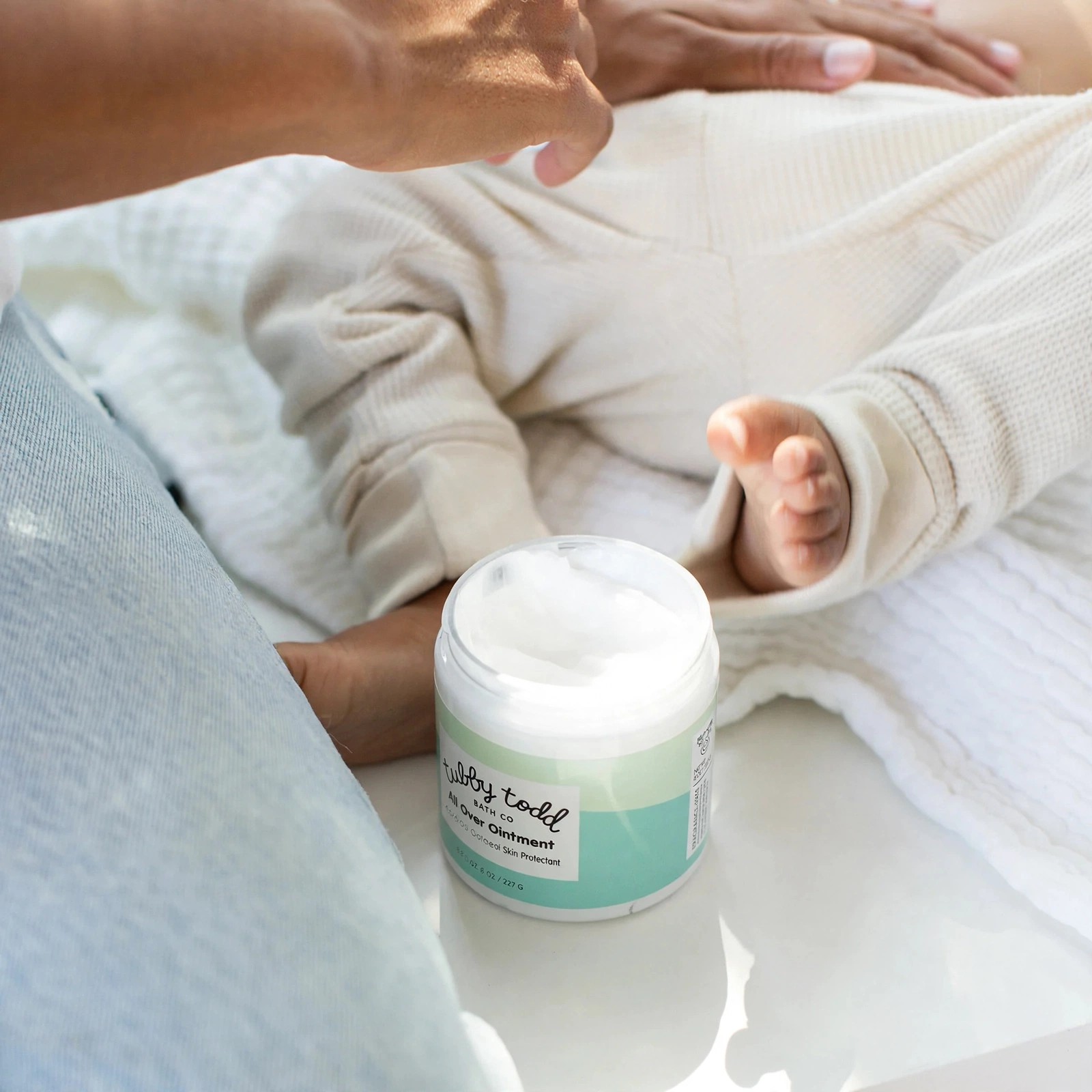
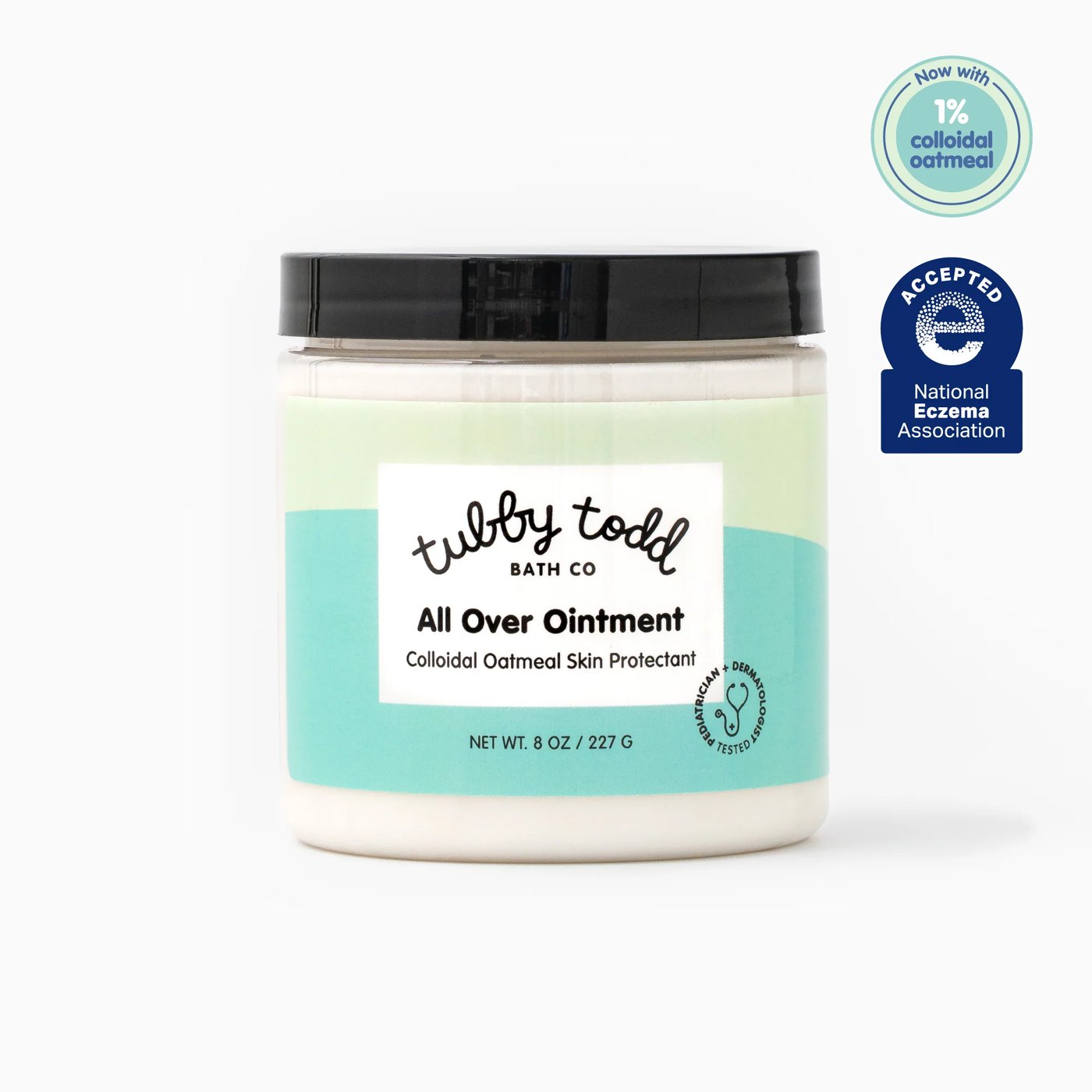
Our All Over Ointment illustrates the point. Families call it a balm for everything, and we appreciate that phrase because it reflects real use. It is thick and creamy, built from plant based ingredients such as jojoba esters and camellia leaf extract to moisturize skin. Jojoba esters supply smooth protective glide without a waxy residue. Camellia leaf adds gentle botanical calm that performs well under occlusion.
The revised eczema relief version includes one percent colloidal oatmeal. We include it to help calm the appearance of irritation linked to eczema and other sensitivities. You spread it on dry, irritated or eczema prone areas as an all over balm. In daily use that means after bathing, over slightly damp skin, pressed slowly. Then again in the morning on elbows, knees, cheeks, wherever dryness collects.
After your son Walker improved at home and parents began reporting similar patterns, how did that experience shift the brief from agreeable natural products to basics that had to suit irritated skin.
It altered the entire project. At first we sought natural products that smelled pleasant and served a routine bath. Then we cared for an infant whose skin stayed dry and inflamed nearly all the time. Agreeable was insufficient. Agreeable offers little at two in the morning while a child cannot settle.
We devoted that period to learning what calms without stripping. A wash must clean hair and skin with one to two pumps, then rinse without that squeaky sensation. That sensation signals removal of too much lipid. For our household, the change meant stepwise thinking. Cleanse mildly, then soften and moisturize each day, then cover the driest zones with a richer layer.
That is why they suit anyone with tendencies toward sensitivity, especially eczema. We created body care basics for little ones and mothers as well. Adults with sensitivity reach for the same jars. The cheek of a newborn and the hand of a mother in winter share traits. Both shed water rapidly. Both prefer a plain product that remains.
In January 2026 you entered Target stores nationally and became a leading baby skincare brand in those locations, how did formulas and family tone survive the move from direct community to a national shelf.
We retained the same standard. Select the best ingredients, avoid dilution to achieve a shelf price. Target expanded access, but items needed to perform identically whether ordered from our site or lifted from a store in another state. The wash still had to foam from one to two pumps. The ointment still had to feel rich with jojoba esters.
Tone had to persist as well. I am Andrea Faulkner Williams, and I am glad to welcome you to our community. That greeting opens our About page. It sounds warm because the sentiment is genuine. We produce the best selling skincare products for little ones and grown ups too. That phrase concerns users, not ranking. A father with dry hands, a grandparent, a toddler.
We remained family operated in San Diego, in the office we call the Tubhub. I speak with every hire. That practice seems minor, but it preserves voice. If you know you know. You have got this. To us those phrases are not slogans. They reflect how we address an exhausted parent.
You spent two years with professional formulators before the 2014 launch, what requirement made the timeline so long, and what did you learn about plant based cleansing that foams without drying.
We demanded two qualities that often conflict. We requested plant based cleansing that foamed like a conventional bath product, and we required it to preserve moisture. Most prototypes delivered one trait. Either texture felt nourishing yet produced little lather, or lather appeared and skin felt parched.
So we repeated cycles. We evaluated a base, used it at home, bathed with it, then returned for revision. We examined natural extracts that aid softness instead of masking with strong scent. Lavender and rosemary provided a fresh herbal character that parents accepted, and later we maintained a fragrance free option for the most sensitive homes. Listening drove that decision. Certain families enjoy scent during bathing. Others cannot tolerate it.
Patience was the lesson. A formula that appears acceptable in the lab may behave differently in a small tub with warm water and a moving toddler. We continued until the wash soothed and hydrated without stripping moisture or causing irritation. That wording stayed on our site because it mirrored our home test.
We prefer to justify a price openly rather than quietly reduce strength.
Andrea Faulkner Williams
Lavender and rosemary appear in the wash, lotion and bubble bath, while the ointment and diaper paste remain fragrance free, how do you determine which formulas receive scent and which stay unscented.
We base the call on exposure and location. A wash or bubble bath involves全身 brief contact across the body and then rinsing. Scent in that setting can support a cheerful bath, then it washes away. Lavender contributes soft herbal calm. Rosemary brightens it so the blend avoids a drowsy or powdery effect. Honeysuckle and grapefruit serve a comparable role in bubble bath, fresh yet not harsh.
A leave on balm behaves differently. The All Over Ointment remains on skin for hours, frequently on cheeks or cracked areas. Fragrance free is logical there. The same logic applies to Sweet Cheeks Diaper Paste, which contains fourteen percent zinc oxide to help treat and prevent diaper rash by sealing out wetness. That zone is already vulnerable. We leave it plain.
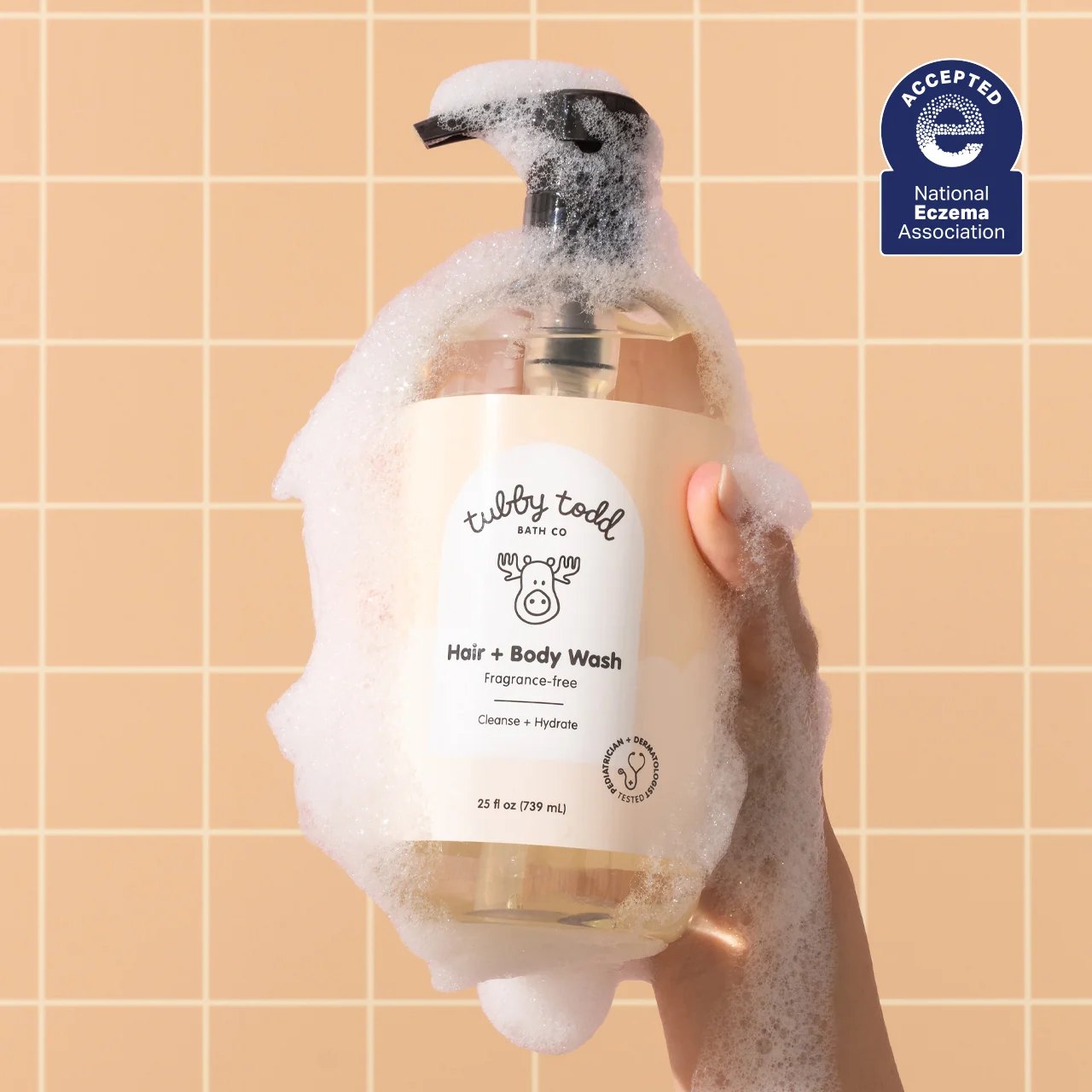
We also offer fragrance free versions of wash and lotion. Some households require unscented products throughout. Some prefer scented ritual at night and neutral care in the morning. We attempt to allow both without reducing baseline mildness.
The system centers on three steps called wash, everyday lotion and ointment, how do you apply those three at home, with amounts, sequence and areas parents often overlook.
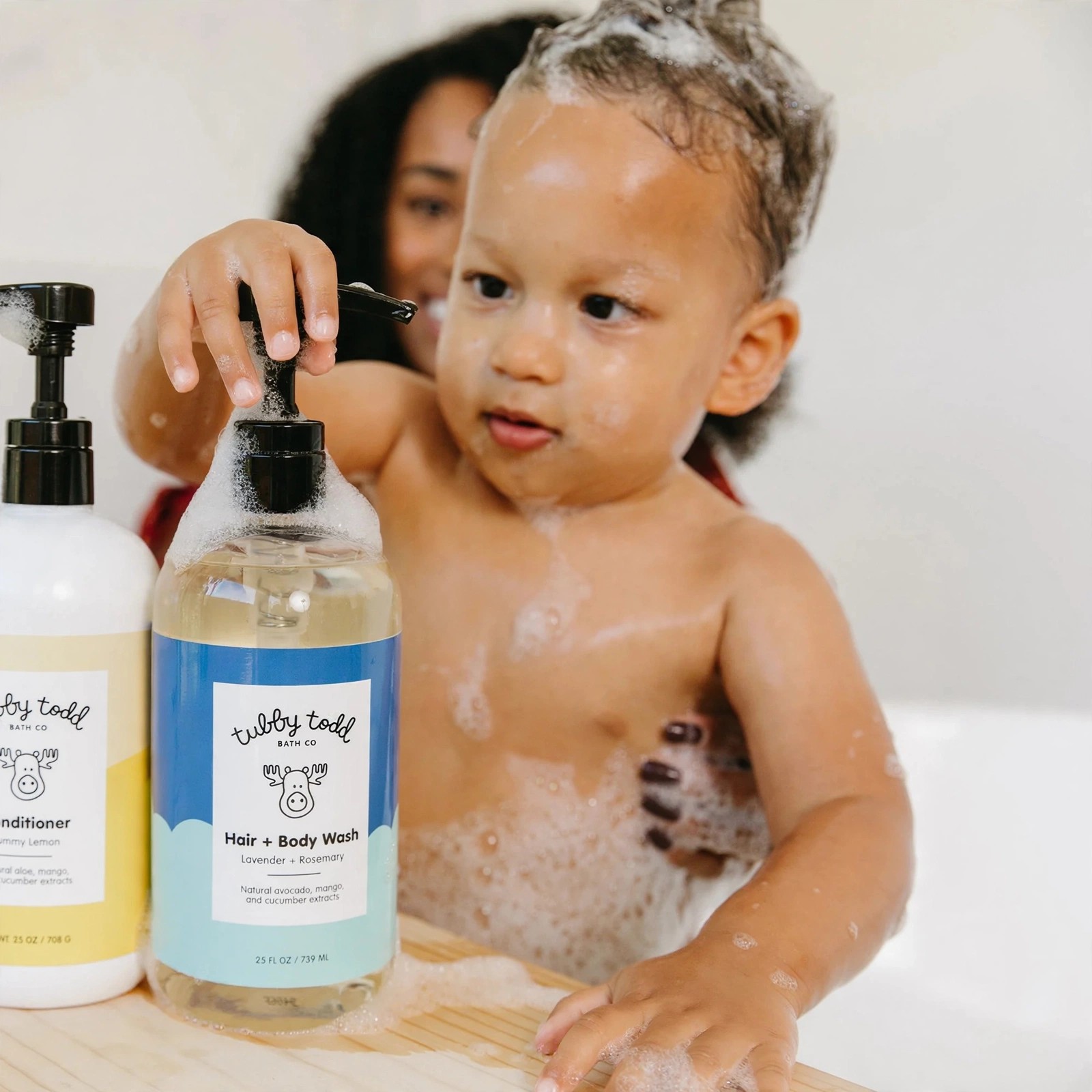
We frame it as Good Clean Fun, but order remains consistent. Begin with Hair and Body Wash. Foam one to two pumps in your hands to gently clean hair and skin. Heavy clouds of foam are unnecessary. Warm water, brief wash, thorough rinse. The aim is cleanliness that still feels supple.
Then, while skin stays slightly damp, apply Everyday Lotion to soften and moisturize sensitive skin. It contains natural extracts and plant based ingredients, and it is sold in lavender and rosemary plus fragrance free. Spread daily, head to toe. Parents commonly overlook behind ears, folds of the neck, and backs of arms. Dryness often starts in those spots.
Then seal where indicated with ointment. Spread over dry, irritated or eczema prone areas. For certain children that means cheeks during winter. For others it means creases at elbows and knees. A thin film suffices, warmed between palms so it distributes easily. At night we complete all three stages. In mornings we often use lotion with a small amount of balm.
You started without funds for retail by building a Shopify site yourselves and mailing product to mommy bloggers, what did early parents reveal that paid advertising could not.
They shaped our vocabulary. We lacked funds for shelves, so we posted wash to bloggers and waited. After Walker skin cleared, people discussed it online using their own terms. They detailed bathtime, sleep, scratching, softness. Those specifics improved us.
We hold a view that we prefer no paid ads over dependence on algorithms to drive growth. That position sounds rigid, but it kept us near the Tubby Todd Mamas group and near comments and messages. By 2024 that network included a large Instagram audience and a private group of about twenty thousand parents. When twenty thousand people explain midnight use of a tube, patterns emerge quickly.
We also resolved that we would not publish content we would not wish to read, use or watch. If it would not assist a friend, we omit it. Make nothing you would not send to a friend. The sentence seems plain. It removes much.
You are a mother of four managing a team with your husband Brian, what does a composed botanical evening look like in practice, from water temperature to the final press of balm.
It appears ordinary, which I value. Lukewarm water, never hot. A brief soak. Wash with one to two pumps, hair before body, so water remains cleaner for longer. Rinse completely. Lift them out and pat, avoid rubbing. Skin should appear soft, not pink.
Then apply lotion promptly. We store the pump within reach to prevent delay. Glide it across legs, belly, arms, face when the formula permits and the child accepts it. Then place ointment on dry patches. A small amount on cheeks in cold months. A small amount on hands. Press, avoid dragging. That pressing action counts. It settles balm without friction.
When cradle cap or tangles or a rash prone day occur, we address those separately and plainly. Most evenings involve only those three stages. Steep the day down. Infuse a little calm. Allow the daily field to rest. Botanicals perform their quiet function while sleep covers the remainder. From an evidence view, routine and barrier support likely matter more than any single extract. We do not know how much each botanical adds on its own. That uncertainty should be stated.
You often close notes with phrases such as you have got this and if you know you know, what guidance would you offer a parent launching a business while caring for small children, starting from your line that if you have an idea do not wait for anyone else to do it.
I advise that if you have an idea or feel passionate about starting a business, do not wait for anyone else to do it. We began without funding or retail. We started with a kitchen table question and a formulation lab prepared to revise with us. We constructed the site ourselves. We shipped boxes ourselves.
Keep your gaze on where you want to go. That quotation guides me. Select a direction, then complete the next small action. For us that meant one solid wash in 2014, then lotion, then ointment. It meant listening more than speaking. It meant addressing customers like a best friend rather than discussing the brand itself.
And maintain a home level standard. We only make products that we would use in our own homes. If an item is not suitable for your own sink or tub, it is not finished. That check has never failed us.
Closing note from the desk
What remains is a testable routine rather than a promise. Cleanse briefly, moisturize on damp skin, occlude dry spots. Oatmeal for comfort, jojoba for moisture hold, camellia for softness, lavender and rosemary to signal evening. Each ingredient has a stated role.
Tubby Todd aimed to produce body care basics for little ones and mothers as well, without stripping moisture or causing irritation. A decade later the claim is still narrow, which helps assessment. Controlled data on the finished formulas in eczema are sparse, and anecdote is not a trial. The formulas look mild, the concentrations are disclosed, and stronger evidence would make the case firmer.
Product spotlight
All Over Ointment Eczema Relief is 36 dollars for 8 oz fragrance free, plus 3.5 oz for 22 dollars and tube formats. A dense plant based balm with jojoba esters, camellia leaf extract and one percent colloidal oatmeal to help soften the appearance of irritation linked to eczema. Spread on dry or eczema prone areas after bathing, warmed between palms and pressed in.
Hair plus Body Wash, 40 dollars for 25 oz in Lavender and Rosemary, also in 8.5 oz for 17 dollars, 2 oz for 13 dollars and refill sizes. A pure hypoallergenic wash with natural extracts and plant based ingredients that foams yet rinses clean. Foam 1 to 2 pumps in hands to gently clean hair and skin, then apply lotion while skin stays damp.

Julia Atkins
Julia produces the interviews at Face Value: the research, the question lists, the follow-ups. She will ask a founder for the concentration and the sample size, politely, and then wait.
More from Julia Atkins →