Topicals comes from two former premed students with long experience of chronic skin. Olamide Olowe and Claudia Teng make a compact fragrance free line that places licorice root and colloidal oatmeal beside niacinamide and azelaic acid. We review the reasoning, the formula choices and the limits of the evidence.
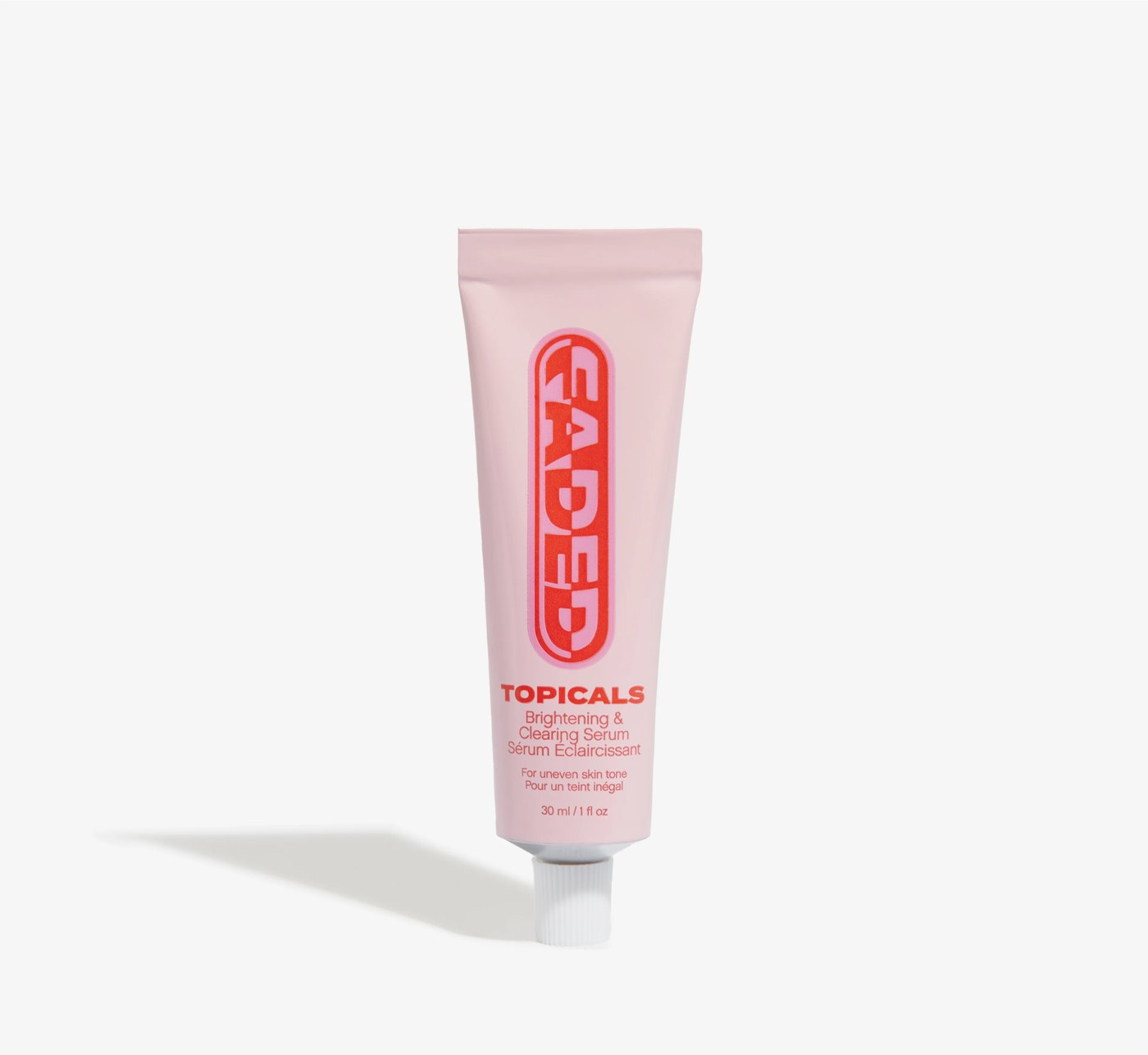
The Faded gel has a light serum texture and almost no smell, and the label lists niacinamide and azelaic acid beside licorice root. That spare scent is deliberate. Topicals launched online in August 2020, plus in select Nordstrom stores, with two aluminum tubes that appeared cheerful yet read as clinical. Olamide Olowe had contacted a retail consultant found on LinkedIn to secure that first placement. The tubes sold out and then sold out again.
Olowe and Claudia Teng met through a shared friend while both studied premed with an interest in dermatology. Teng had eczema. Olowe had hyperpigmentation, pseudofolliculitis and inflammation. Teng had completed clinical dermatology research. Olowe had created a SheaMoisture college line called SheaGirl. Medicine showed them how skin functions. Their own skin showed them how it feels day to day.
The company now describes itself as care for flare ups. The claim is clinically effective, multitasking support for chronic concerns in all shades, tested first on the deepest tones. The assortment remains small, vegan and cruelty free, fragrance free, housed in aluminum. Inside the playful design sits a plant rationale. Licorice root and colloidal oatmeal work steadily alongside synthetic actives, selected because sensitive and reactive skin requires both comfort and clarity.
You started in August 2020 with Like Butter and Faded, sold online and in select Nordstrom stores after a cold message on LinkedIn. Why those two textures first?
Our central aim is how we support people in changing how they feel about skin. That sentence has remained with us from the start. Claudia had eczema. I had hyperpigmentation plus pseudofolliculitis plus inflammation. When people ask whether your rash spreads by contact, that remark stays in memory.
We chose premed because we sought explanations. Claudia had completed clinical dermatology research. I had developed SheaGirl while in college. What we took away is that persistent skin needs consistency, not a different regimen each week. So we design for flare periods, not for flawless days. We omit fragrance because we serve sensitive skin. We pair licorice root and colloidal oatmeal with actives such as niacinamide and azelaic acid because soothing and correcting must coexist in one tube. A product should improve the appearance of skin, and it should also make daily life in that skin feel calmer.
You describe meeting through a mutual friend as premed students, both pulled toward dermatology by your own skin. What did that early period teach you that still shows up in the formulas now.
We intended the launch to express our thesis in two forms. Like Butter was the mask to calm and retain moisture, intended for moments when skin feels tight and reactive. Faded was the gel for dark spots and uneven tone, intended to improve the appearance of marks left after flare ups.
We delayed launch twice, first for pandemic supply chain problems and then to support Black Lives Matter. Timing counts. Once we finally launched, sales suggested we had understood the need correctly. Product sold out within hours. At Nordstrom it sold out on several occasions. I recall feeling very embarrassed as a young person about removing medicinal looking products from my bag for use. We sought care that performs and that people can carry without embarrassment. Aluminum tubes, playful lettering, serious formulas. That contrast was planned.
Colloidal oatmeal and licorice root sit next to potent actives in your formulas. Why hold onto those botanicals when synthetics alone could carry the formula.
Faded is our serum to brighten and clear the appearance of dark spots and uneven tone. You use it as the serum stage, applied where marks and patchy tone appear. It was the first product we ever introduced. It remains the product people contact us about most.
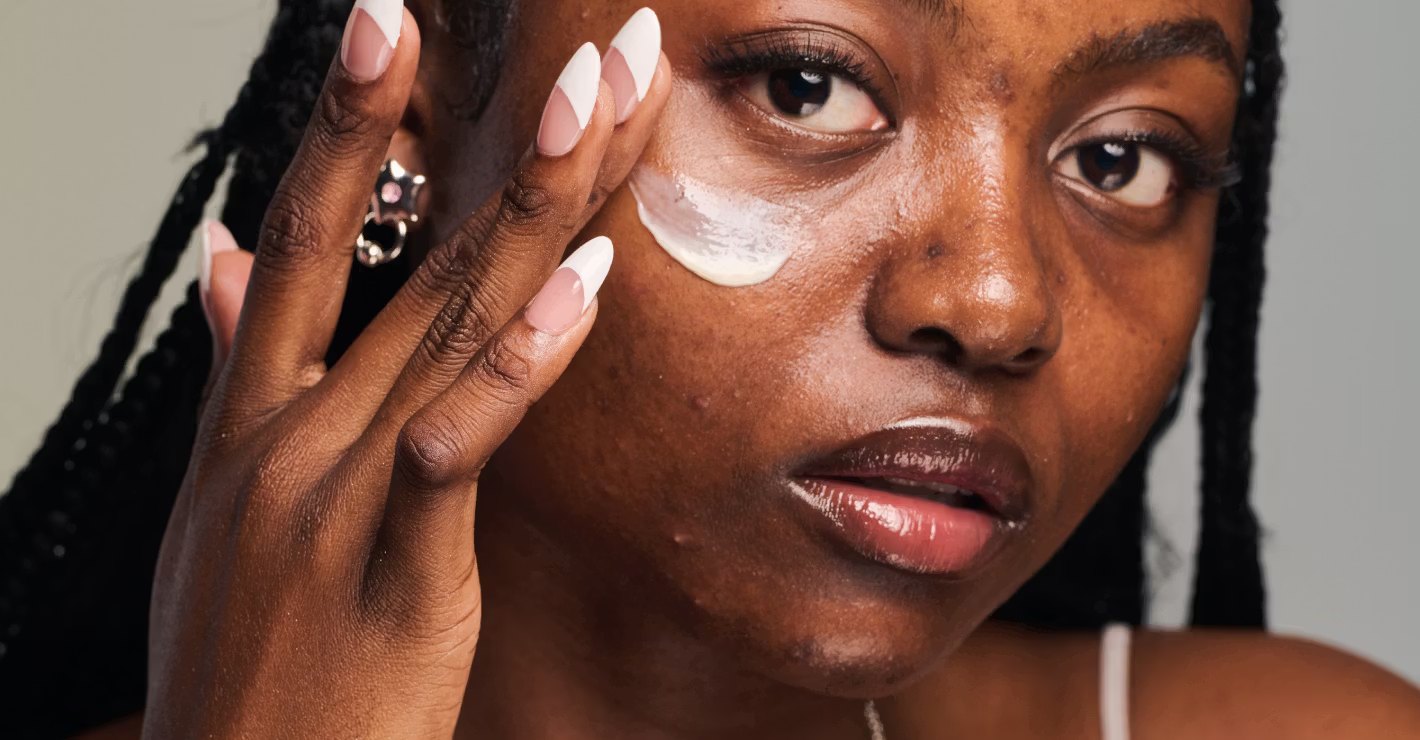
We prefer to place several key ingredients in a single concentrated formula rather than offer 10 separate serums for one issue. Faded combines niacinamide and azelaic acid with licorice root and other plant materials that support the appearance of even tone. Licorice root is a plant I revisit often. It carries a long record in traditional care for the appearance of discoloration, and in our formula it stands next to clinical actives so the serum can clarify while remaining suitable for sensitive skin. Apply a thin layer, one time per day initially, then as tolerated. Allow it to absorb. Daily sunscreen supports protection of visible gains.
Faded grew into your bestseller and a Sephora favorite. What does it claim to do, and how do you tell people to introduce it slowly.
Because skin prone to flares needs plants that stabilize it. Colloidal oatmeal creates a soft, protective layer that supports moisture and the appearance of calm. Licorice root supports the appearance of even tone. They permit us to use meaningful levels of synthetics while keeping the regimen from feeling harsh.
We test first on the deepest skin tones. That decision alters the whole process. As a commercial choice, it was likely not the savviest option on paper or the most strategic. Yet when a formula suits skin that marks readily and tends toward visible post inflammatory color, it is more likely to suit the wider population. Our principle is direct. We prefer to formulate from 6 down to 1 on the Fitzpatrick scale rather than treat deeper tones as secondary. Botanicals allow us to maintain that standard. They add softness and familiarity to high strength care.
You hold fragrance free as a fixed rule across the line. What does leaving scent out offer reactive skin and the plants you choose to use.
We maintain a fragrance free line because we serve sensitive skin. That is the entire rationale. During a flare, fragrance introduces risk with no benefit. It may irritate and it may obscure what is occurring.
Omitting it allows the functional ingredients to stand out. You detect little odor, which is intentional. Then over weeks you can observe what licorice root and oatmeal plus azelaic acid appear to do. Visible redness looks reduced. Texture appears smoother. Tone appears more uniform. We prefer to make flare periods lighter rather than make skincare feel clinical, and for us lightness means color and voice and community, not perfume. The formula stays neutral so skin can settle. For shoppers who link botanical with strong essential oil fragrance, our version of plant based care reads differently. It centers on function, not scent.
We formulate for flare ups, not perfect days.
Olamide Olowe and Claudia Teng
You say you have released only two to three products a year, about 15 in five years. How does that restraint affect how you collect and test ideas.
We have introduced only two to three new products per year across the past five years, so we have introduced around 15 products, which represents a very narrow range for a skincare brand in particular. We only develop products in areas where we perceive clear necessity.
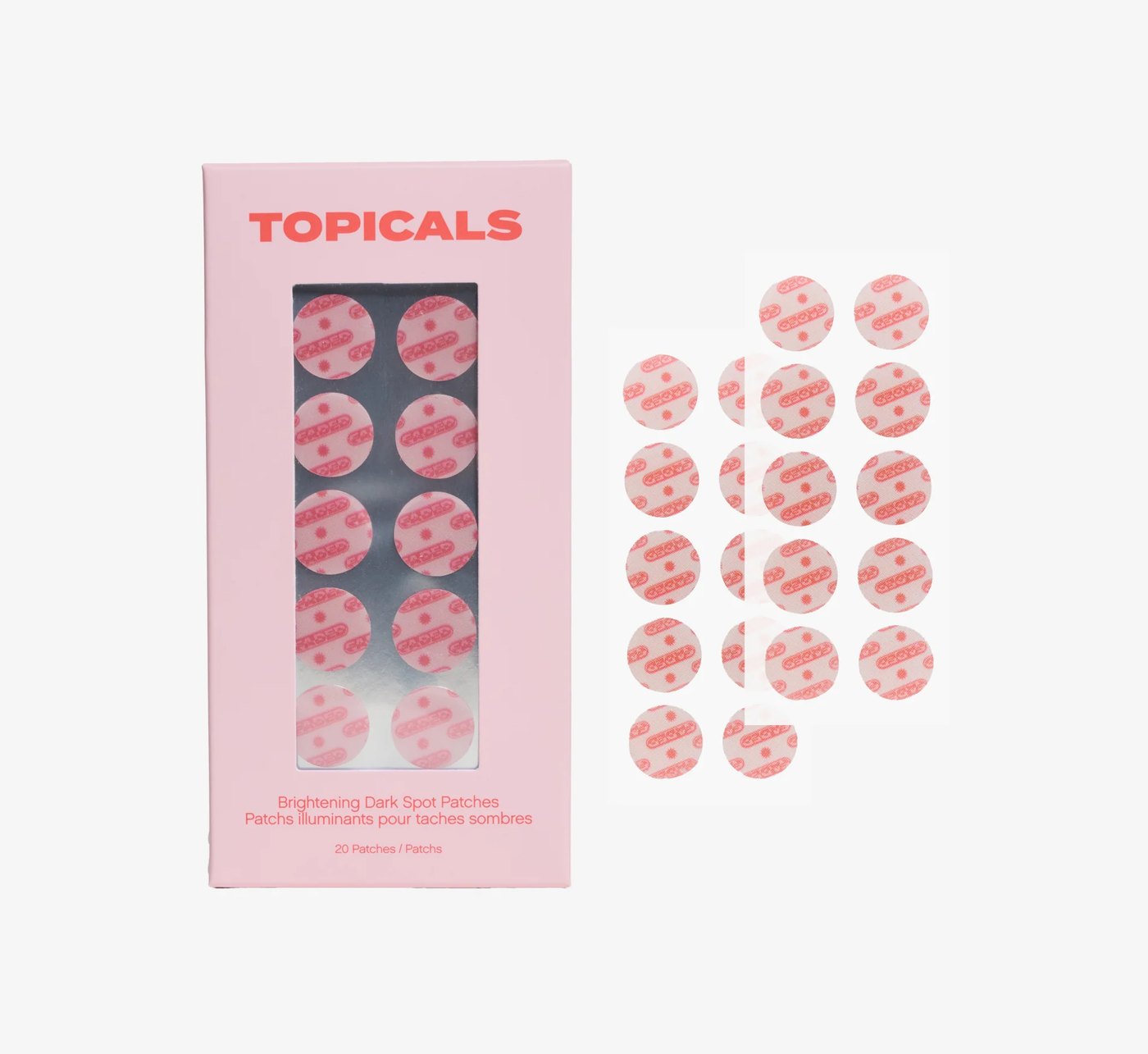
That limit lets us examine one plant or one concern at a time. We avoid duplication. We assess where the user experience could improve. Faded Dark Spot Patches arose from that type of review. A patch containing tranexamic acid that you place on a post breakout mark for six hours. It reduces the appearance of that single persistent spot while you rest or work. The peel pads emerged from similar records. Clinical strength exfoliation to improve the appearance of texture, delivered in a swipe. Every addition must justify its place. When it fails to improve comfort or clarity for chronic skin, we do not develop it.
Your language is playful, with names like Funner Flare Ups and Why so serious. How do you keep that tone from obscuring the careful work behind eczema, acne and ingrown care.
I felt genuine excitement as a Black woman to lead a company in high demand. Reaching that point required time. We pitched for two years and closed 2.6 million dollars. The brand raised 2.7 million and sold out within hours after launch.
Our parents viewed the start up route as risky and worried, but we reassured them that founding Topicals would provide experience that could support a strong med school application essay. I smile at that memory today. We departed medicine but retained its method. Test, observe, record. Retail is very difficult because costs run high. So we learned to stay lean. Limited formulas, defined claims, engaged community. You cannot be everything to everyone, but you must be everything to one person. Our one is Gen Z with chronic concerns across all tones, notably deeper tones that had been overlooked for too long.
You pitched for two years to close your first round, with support from Issa Rae, Yvonne Orji and Bozoma Saint John. What did that slow raise settle in you for the longer term.
Humor allows people to breathe. Chronic skin carries weight. When each tube appears medicinal, you feel like a patient inside your own bathroom. We aimed for dermatology for the people, with color and humor.
The humor rests on firm rules. No fragrance. Vegan and cruelty free. Deepest tones tested first. Multitasking so one concern does not demand a 10 stage routine. We reject redundant products with no improved experience. We reject formulation solely for lighter tones. Funner Flare Ups means a person can treat a spot with a patch or serum and still feel like themselves. The sequence matters. Cleanse the skin, treat the mark, moisturize, then protect. Repeated order, repeated timing, unhurried hands. Plants help establish that pattern. Oat to soften, licorice to support brighter looking tone, azelaic plus niacinamide to clarify. Serious formulation, light presentation.

You shifted from founder led brand to a small holding company with the Bread Beauty Supply acquisition. What remains fixed as the team grows past 40 people.
The customer remains. The narrow assortment remains. The testing sequence remains, deepest tones first. Sochi Mbadugha as president and Julia Shao as creative director support us in preserving both rigor and voice during growth.
Revenues rose threefold in 2021, and we sold one product every minute in 2022. In 2022 we closed our Series A, and at 26 I became the youngest Black woman to raise over 10 million, with total funding around 20 million. Growth can draw a brand toward more versions of everything. We return to the area we understand. Chronic concerns. Fewer, stronger formulas. Aluminum packaging that feels pleasant to hold. Education that takes ingredient lists seriously. Whether the name is Topicals or Bread within Cost Of Doing Business, the standard holds. Launch only where the experience can improve.
If someone new to Topicals reads ingredient lists closely, where should they begin and what should they expect in the first month.
Begin with Faded. When the concern is diffuse dark spots and uneven tone, the serum provides the clearest starting point. When the concern is a single mark that persists after a breakout, begin with the patch worn for six hours.
Anticipate gradual change. Week one centers on comfort. No sting, no strong scent, normal wear under makeup. During weeks two to four, skin often appears calmer and more even in tone, with smoother looking texture in areas of gentle exfoliation. Photograph skin in consistent light each week. Keep the routine brief so you can identify what is contributing. When prone to eczema or high reactivity, patch test and add one active at a time. Plants perform steady work here, but action is not immediate. Roots establish before visible growth appears.
Closing note from the desk
What remains is the sequence of testing and the attention to tolerance. Deepest tones first, comfort before clarity, a limited set of formulas maintained with care. Olowe and Teng sound like former premed students who retained systematic notes and set aside formal stiffness. The humor is present, but the method stays visible.
Topicals aims to make flare ups less isolating and regimens shorter. Fragrance free and vegan, in aluminum tubes, pairing licorice root and colloidal oatmeal with niacinamide, azelaic acid and tranexamic acid, is its direct response to chronic skin. The evidence for brightening appearance is modest and depends on consistent use with sunscreen, which Face Value can respect.
Product spotlight
Faded Brightening plus Clearing Serum, 9 dollars. A serum stage for the appearance of dark spots and uneven tone that places botanicals including licorice root beside niacinamide and azelaic acid. Spread a thin layer over areas of concern as directed, then moisturize. Morning sunscreen helps maintain the appearance of progress.
Faded Dark Spot Patches cost 22 dollars. A single mark patch with tranexamic acid for the appearance of post breakout marks and hyperpigmentation. Place on one mark and keep on for 6 hours, then remove and resume routine. It fits best inside a short, consistent regimen.

Julia Atkins
Julia produces the interviews at Face Value: the research, the question lists, the follow-ups. She will ask a founder for the concentration and the sample size, politely, and then wait.
More from Julia Atkins →