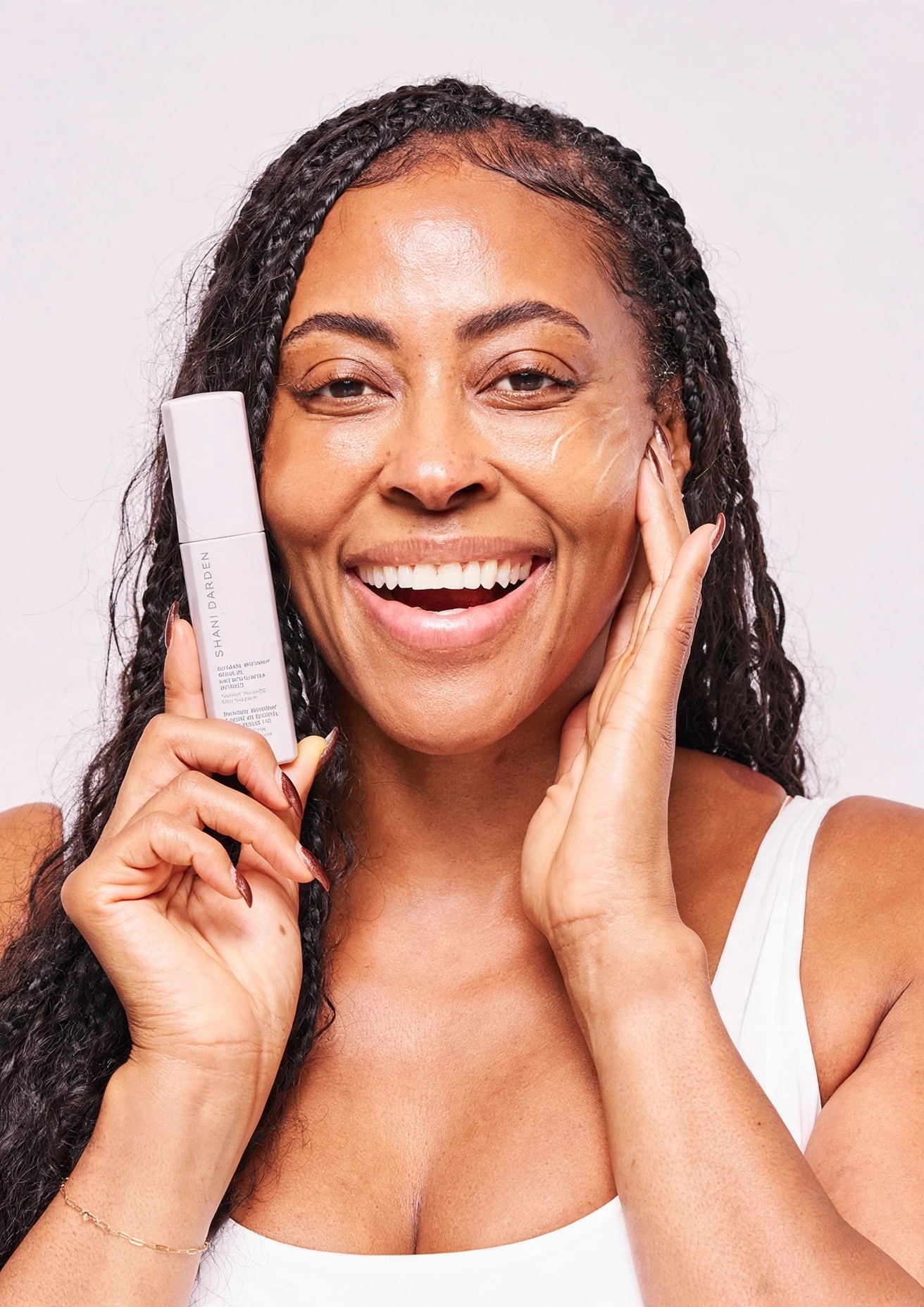
1 percent is the number that frames this line. It is the concentration of encapsulated retinol in the founding gel, and it sets the tone for everything around it. Shani Darden discusses how that strength is introduced, what cleansing and humectants are asked to do, and where sake ferment and snow mushroom fit in the current evidence.
In 2013 Darden chose to start with a single retinol product after repeated mixing in her practice. She had not located a balance that suited her studio clients, so she kept adjusting the formula until it met that need.
Darden had moved to Los Angeles following work as a dancer in music videos, completed esthetics training with a prominent Beverly Hills dermatologist, and learned to assess skin closely in a demanding market. Early acne had made her observant. Treatment work made her economical. She sought the appearance of clinical results at home, with limited claims and no recovery time.
Growth came in stages. A flagship studio in Beverly Hills opened in June 2019 as a site for treatment, formulation work, and observation of skin across months. Sephora distribution began in August 2020. Stock sold through in just over a month, with a waitlist above 5,000 for Retinol Reform. A new chief executive joined in 2022 while the brand considered broader retail.
Face Value approached this interview for the details that allow checking. Stated concentrations, stated vehicles, stated testing habits. Snow mushroom, sake ferment, squalane, a plant sourced azelaic complex. Darden describes plants by role. Which ingredient holds water. Which softens without removing lipids. Which allows a potent active to remain in use.
You trial early formulas on a small group of studio clients rather than outside panels. What does that slow process show that a focus group might miss?
Thanks for having me here. I began with Retinol Reform because I lacked an option I could rely on. I have devoted long periods to product development, work I care about deeply. I spend many months and sometimes years refining each formula to make certain the products are as strong as possible.
In the studio I kept meeting the same concerns. Fine lines, breakouts, residual marks, uneven texture. I have met women in their 60s with hardly a wrinkle because they have used retinol for decades. It supports both acne prone appearance and the look of aging by supporting collagen appearance. And when neither concern is present it serves a preventive role. That made retinol the logical opening move.
My rule has stayed simple, use fewer products but demand more from them. I prefer to offer one item that works over five that crowd the routine. We started with that one retinol, then introduced moisturizer, cleanser, lactic acid serum, and later devices. Each addition answered a client need, not a launch schedule.
Thank you for speaking with us, Shani. In 2013 you started with one retinol instead of a full routine. What issue in the treatment room made one product feel sufficient to begin?
Much of my direction comes from the treatment room while I perform facials or speak with clients. As an esthetician, I stay near their skin and have treated some people for more than 10 years, so I can judge with care how a new product affects their skin.
With that dermatologist I learned to manage many skin presentations directly through practice. In the studio I track small changes. How skin accepts a morning cleanse. How it retains moisture by afternoon. How a barrier appears after a week of consistent care. That proximity matters more than trend forecasting.
When I lack a product or cannot identify a strong existing option for a particular problem, that gap usually signals I should develop it. We blend, we trial, we revise the base, the glide, the rinse. My laboratory is the treatment bed. My data set is what I observe there, person by person.
Retinol Reform contains 1 percent encapsulated retinol. For a reader new to it, where should that gel fit in a simple routine, and how slowly should they start?
Begin with little and advance at a slow pace. Application has to be gradual. Apply once weekly for a period and then increase frequency step by step. Do not start with nightly use.
I apply Retinol Reform as a gel after cleansing. Wash, spread a thin film, then add moisturizer. That sequence is sufficient. In the morning, wash again, hydrate, and apply sun protection. It matters to select suitable products for your skin type, rather than copying what someone else uses because it is popular.
People inquire about purging or flaking. The encapsulated format is designed to release over time with reduced irritation, yet skin still requires adjustment. Restraint applies here as well. One consistent product, applied correctly, may help the appearance of smoother tone and fewer visible lines and blemishes across time.
You have described cleansing as the most important step. Your Cleansing Serum is made to lift makeup, oil and pollutants without stripping. What should a good cleanse look and feel like in practice?
A sound cleanse leaves skin very clean yet settled. No tight sensation. No squeaky finish. Only soft, clear skin prepared for next steps. Our Cleansing Serum is a light foaming cleanser that dissolves makeup and impurities that clog pores while preserving natural oils.
Morning and evening, my method stays constant. Dampen skin, massage gently, rinse fully. Night carries more weight, when residue accumulates on skin. Makeup, sunscreen, urban air. When that film remains, later layers cannot layer properly.
I monitor trends, mainly to stay informed about current activity. My rule has stayed simple, use fewer products but demand more from them. Cleansing is the foundation. When the surface is clear, the remaining routine can perform. When cleansing is skipped or too aggressive, even sound serums show less for the appearance of skin.
You trained with a Beverly Hills dermatologist and then opened your flagship studio in June 2019. How did working that close to skin alter the way you formulate?
People have described my development method as unusual. I prefer to trial new formulas early with a small set of studio clients. I understand this is atypical, but I used this approach for my first product and plan to keep it as we grow, because it gives me the most candid feedback available.
Many other labels rely on external panels or focus groups, yet you must trust those participants follow the regimen if you want an accurate read on performance. With my own clients, I hold their history. I know their other products. I know when they apply excess pressure or omit steps. I can examine the skin and assess whether the formula is supporting it.
That candor requires duration. We allow an idea to rest, then observe. We add a botanical at one dose, then recalibrate. The pace is deliberate. Confidence builds slowly. It cannot be hurried.
I spend many months and even years refining each formula to make sure the products are excellent.
Shani Darden
Your Sake Nourishing Essence offers amino acids, antioxidants and minerals to soften and brighten the look of dry or sensitive skin. What does fermentation provide that a plain water step does not?
Fermentation transforms the base material. In sake, rice plus time yields a fluid containing amino acids, antioxidants and minerals. On skin it feels nurturing and softening. It helps dehydrated looking skin look smoother and brighter, and it supports the appearance of barrier strength before serum and moisturizer.
I view essence as a soaking step. After cleansing, you press a light fluid that helps later layers distribute and settle. For skin that looks sensitive, that buffer counts. It does not require ten additions. It is a single considered layer that supports comfort.
We held the texture fluid so it sits beneath Retinol Reform or lactic acid on alternating evenings. Skin that looks dehydrated often benefits from water in successive light layers instead of one dense cream. Essence first, then treatment, then hydration. Plain sequence, regular cadence.

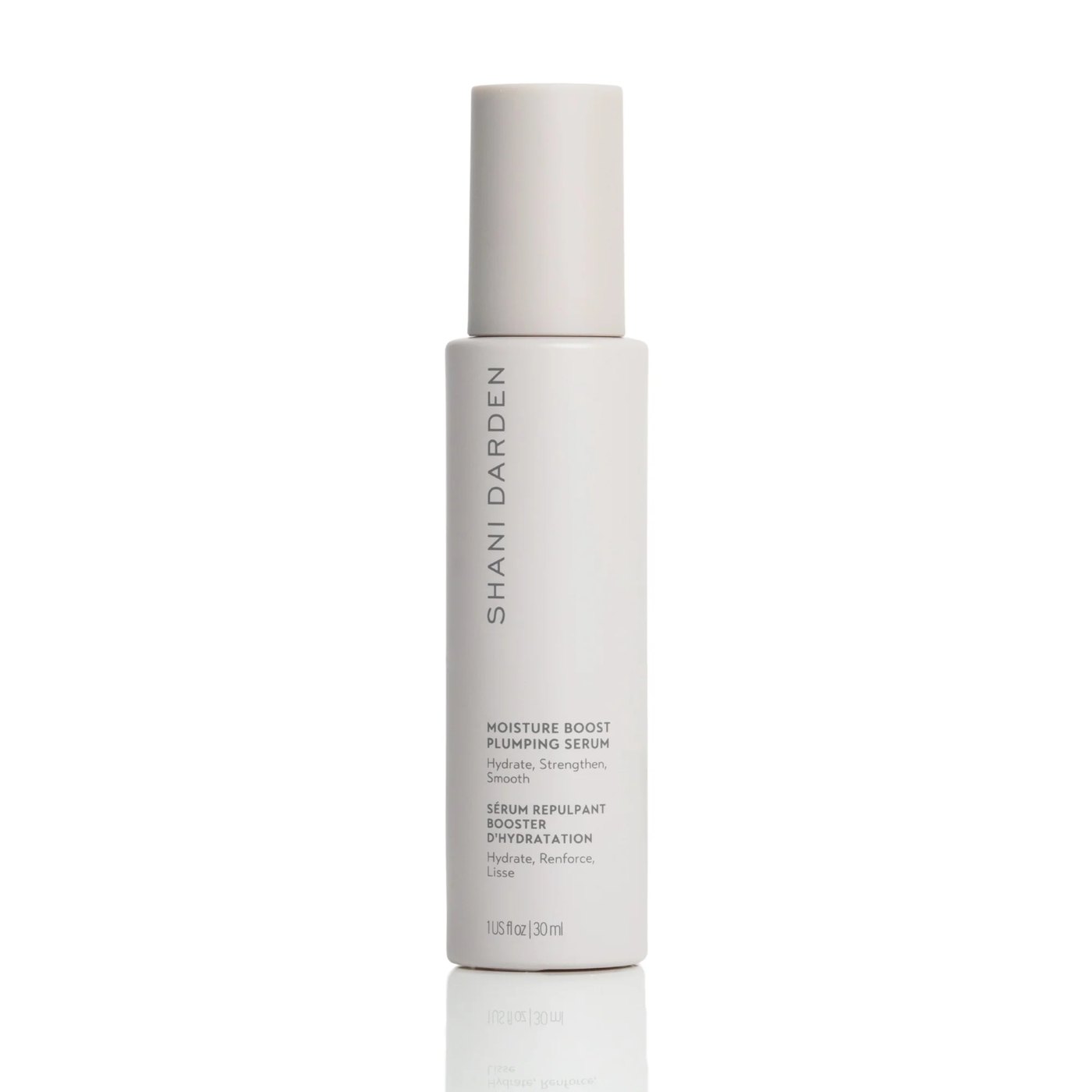
Moisture Boost Plumping Serum relies on snow mushroom and glycerin to draw in and hold water. Why did you choose a fungal humectant to support plumping hydration?
Snow mushroom interested me due to its interaction with water. It creates a soft gel and retains moisture on the surface, which supports an instantly plump look and a replenished feel. Combined with glycerin, it draws, keeps and restores the appearance of moisture without tack.
I favor humectants that sit cleanly under retinol and acids. They ease the way. In Los Angeles air can run dry, treatment rooms stay cool, clients travel by air often. Skin sheds water across the day. A smooth serum that keeps water near the surface supports smoother looking texture and a more radiant appearance.
We devoted months to glide and finish. I seek hydration that stays quiet. No pilling, no gloss that disrupts makeup. Only comfortable skin that keeps a bouncy appearance from morning through afternoon. That is the role of a sound humectant anchor. Retain, then continue to retain.
If someone buys only one plant powered tool from you to support a retinol routine, which should it be and how should they use it across a week?
When you use retinol, combine it with care that holds water. Wash morning and night with Cleansing Serum. Press Sake Nourishing Essence or Moisture Boost Plumping Serum into damp skin. Then apply Retinol Reform in the evening, beginning once weekly and increasing gradually. Then add moisturizer to lock the appearance of comfort.
A plain week might include cleansing and hydrating each day, retinol on one or two evenings, Lactic Acid Serum on a separate evening, remaining evenings limited to cleanse, hydrate, moisturize. Observe skin in daylight. When it appears smooth and settled, maintain that level. When it appears dry, increase hydration rather than adding actives.
It concerns habit as much as chemistry. Consistent order. Gentle hands. Pauses between layers. Botanicals perform best in that calm setting. Snow mushroom retains water. Sake softens. Squalane cushions. Retinol remains central, supporting smoother looking skin over time.
The range also contains a 10 percent azelaic complex with lactic and glycolic acids and squalane. How do you position those plant derived supports around a strong retinol without overloading skin?
By assigning each a task and an evening. Retinol on most evenings after skin adapts. Lactic Acid Serum on a separate evening to brighten and refine dull, congested looking skin. A peel for periodic resurfacing, paired with a neutralizing mask to deep clean and refine visible pores. Azelaic complex in Rescue Serum to address visible blemishes and uneven tone and post blemish marks.
Squalane plus Hydrosella plus peptides belong with hydration. A rich oil free cream can supply deep hydration while helping skin stay comfortable. That arrangement allows actives to function while the barrier appears calm.
It matters to select suitable products for your skin type. Oily, breakout prone skin often favors featherweight oil free hydration. Drier looking skin often favors richer support. I prefer fewer well matched products over many trendy items that conflict.
You grew from one retinol into moisturizer, cleanser, lactic acid serum, a sculpting wand and LED, then Sephora in August 2020 and a new chief executive in 2022. How do you keep development honest as you scale?
We keep the original approach. In the studio, on actual skin, across time. I have devoted long periods to product development. I spend many months and sometimes years refining each formula. Scale has not altered that cadence. If anything, it safeguards it, since we can evaluate more methodically.
Sephora provided lessons. The assortment sold through in just over a month following launch. That response indicates interest in the appearance of clinical results at home with a candid method. It also signals to maintain standards. Adding a chief executive helped us plan global retail carefully, without accelerating formulas.
I monitor trends, mainly to stay informed. Yet we do not follow them. Seeking stronger results with lower hype. Making products I could not locate. Avoiding downtime. Offering a candid method for skin. Those principles shape each brief I author.
Closing note from the desk
What remains is the restraint of the test method. Not a remote panel but known clients, followed through seasons, with records of alteration and stasis. That slower path leaves a trace in the compact range.
The stated aim was to reproduce the look of clinical facial work at home without inflated claims and without recovery time. Plants occupy supporting posts. They retain water, soften cleansing, buffer potent actives, and sustain a daily sequence a person can repeat.
Product spotlight
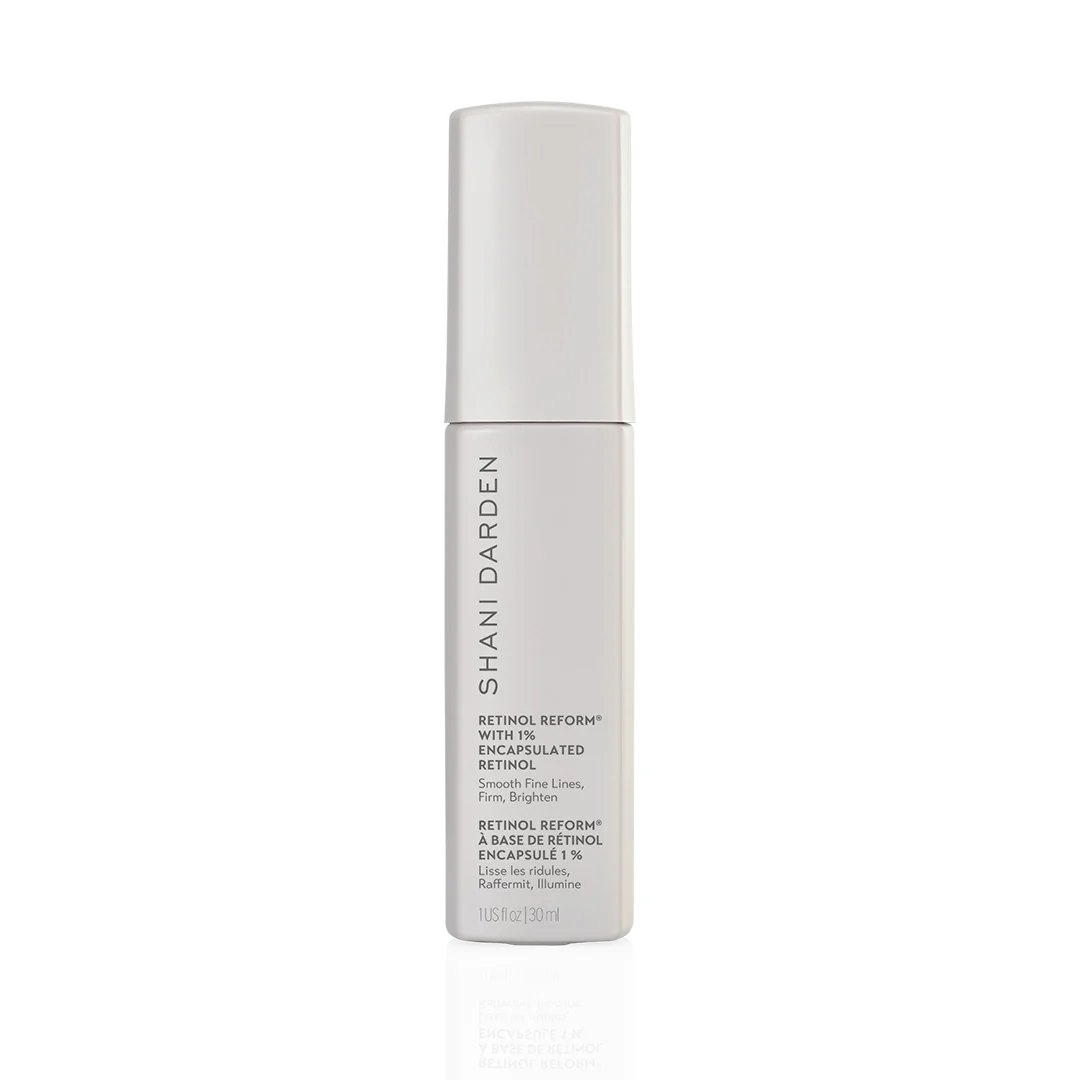
Retinol Reform costs 75 dollars in the 30 ml size and 30 dollars in the 10 ml size. The evening gel holds 1 percent encapsulated retinol for the appearance of fewer lines, breakouts and marks. Apply after cleansing at night, begin with once weekly use and increase slowly, then add moisturizer.
Moisture Boost Plumping Serum costs 72 dollars for 30 ml. The fluid humectant serum combines snow mushroom with glycerin for immediate and lasting looking water based plumpness. Press into damp skin morning and evening ahead of treatment and cream.

Julia Atkins
Julia produces the interviews at Face Value: the research, the question lists, the follow-ups. She will ask a founder for the concentration and the sample size, politely, and then wait.
More from Julia Atkins →