15 to 20 minutes is the contact time for a 5 percent cysteamine cream, and that narrow window tells you how Face Value reads Urban Skin Rx.
Rachel Roff opened Urban Skin Solutions in Charlotte in 2006 when she was 25. She trained as a licensed medical esthetician and she had personal experience with severe acne and a nevus mole. She saw clinicians avoid deeper skin tones because training was thin. She therefore built a practice that placed those clients at the center.
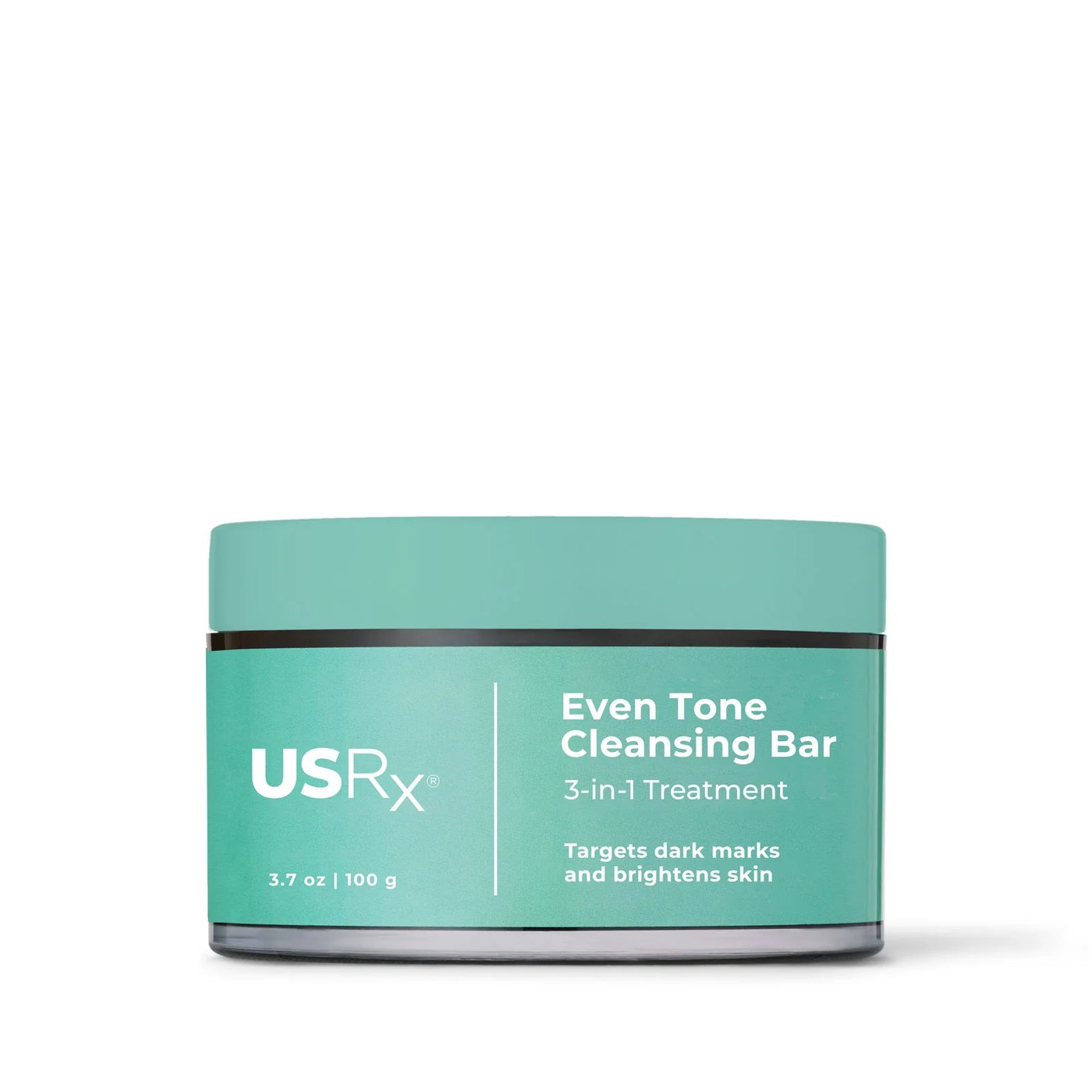
In 2010 she paused a plan to franchise the spa. She instead created the Even Tone Cleansing Bar for home use, a solid bar melted into a jar that contains kojic acid, azelaic acid, niacinamide and licorice root. A single product grew into a range. A local service grew into national distribution. The company now calls its work skin care from the melanin experts.
The useful question is evidentiary. What supports the brightening claim, at what concentration, over how many weeks, and in whom. Roff answers as an operator who cites percentages and use time. This interview keeps that framing and notes where controlled data are limited.
You opened Urban Skin Solutions in Charlotte in 2006 at 25, after esthetician school made clear how few practitioners treated deeper tones with confidence. What did those early years in the treatment room teach you about post inflammatory marks that lab work alone could not show.
That room had to exist, so I opened it. I understood the loss of confidence tied to appearance, tied to skin in particular. I lived with severe acne. I lived with a nevus mole that altered my self image. In training I then watched practitioners grow uneasy around deeper skin tones, above all with acne and post inflammatory hyperpigmentation. Instruction was limited, so avoidance followed.
A treatment room teaches slowness. Marks recede over time. Skin rich in melanin may respond to aggressive work with further darkening. I learned to observe, to alter pressure, to hold routines plain enough for adherence. If I cannot deliver visible results, results that change lives for people, then my brand is gone. Those years produced that standard. It still orders formula work, results first, then pricing second as the formula is built.
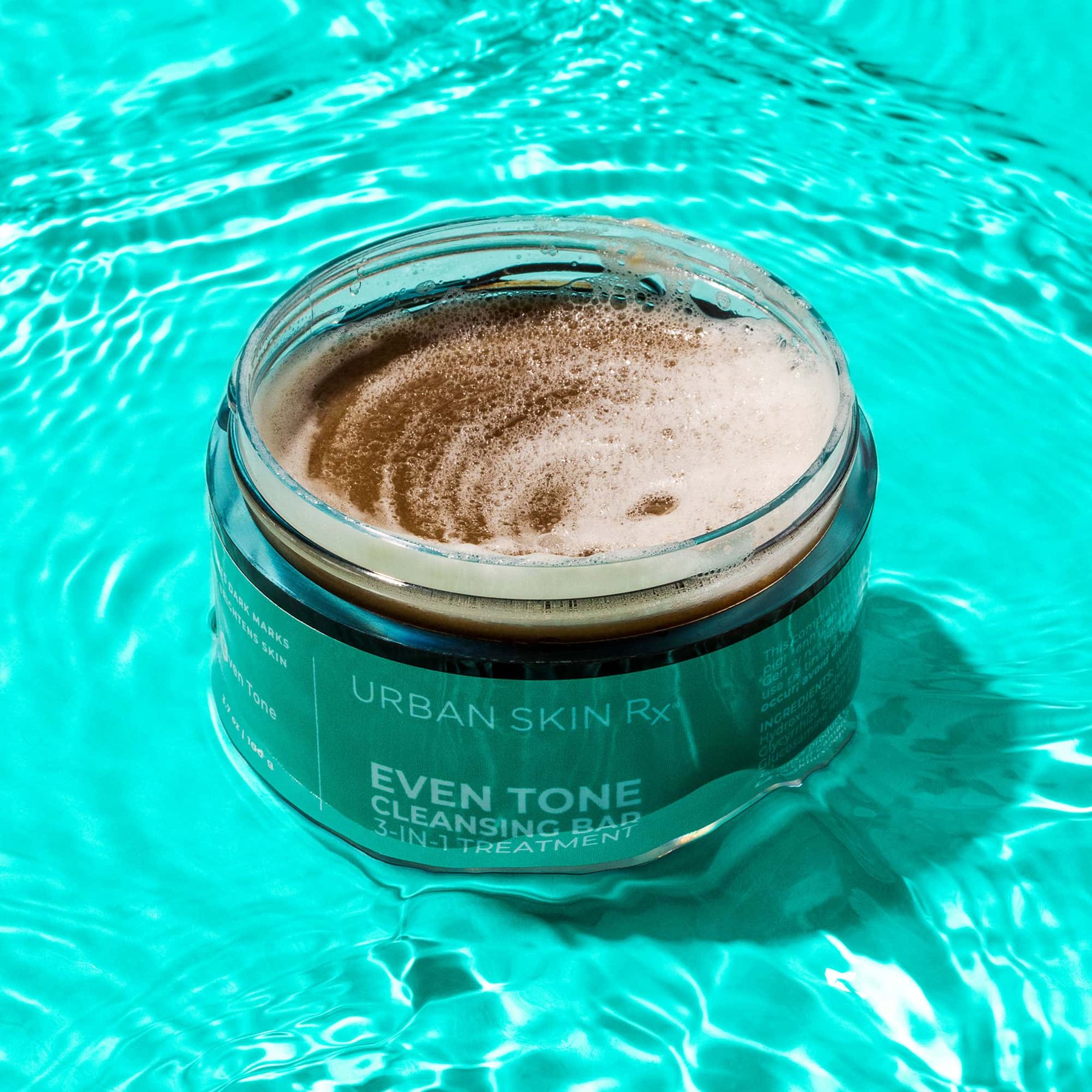
Your first product in 2010 was the Even Tone Cleansing Bar, first planned as a private label product for future franchise owners. Why did a solid bar in a jar make sense, and how did licorice root earn a place next to kojic acid and niacinamide.
This happened by accident. A skin care range was not in my plans at the start. Franchising the spa was the plan, with products for franchisees to retail. Clients then kept requesting something for home that would preserve progress from the room. A bar fit because it met three needs together. It washed, it served as a brief mask, and it offered light exfoliation.
Licorice root earned inclusion because I sought brightness with less harshness. Kojic acid helps the look of uneven tone. Azelaic acid and niacinamide help skin look clearer. Licorice root extract, sourced from Glycyrrhiza glabra root, supplies glabridin and liquiritin, fractions examined for effects on the appearance of dark spots, with a calming character that keeps the bar usable. We melt the solid bar into the jar and application uses the sponges, which keeps contact short and uniform. It is so popular because it really works, and the botanical helps it work with less friction.
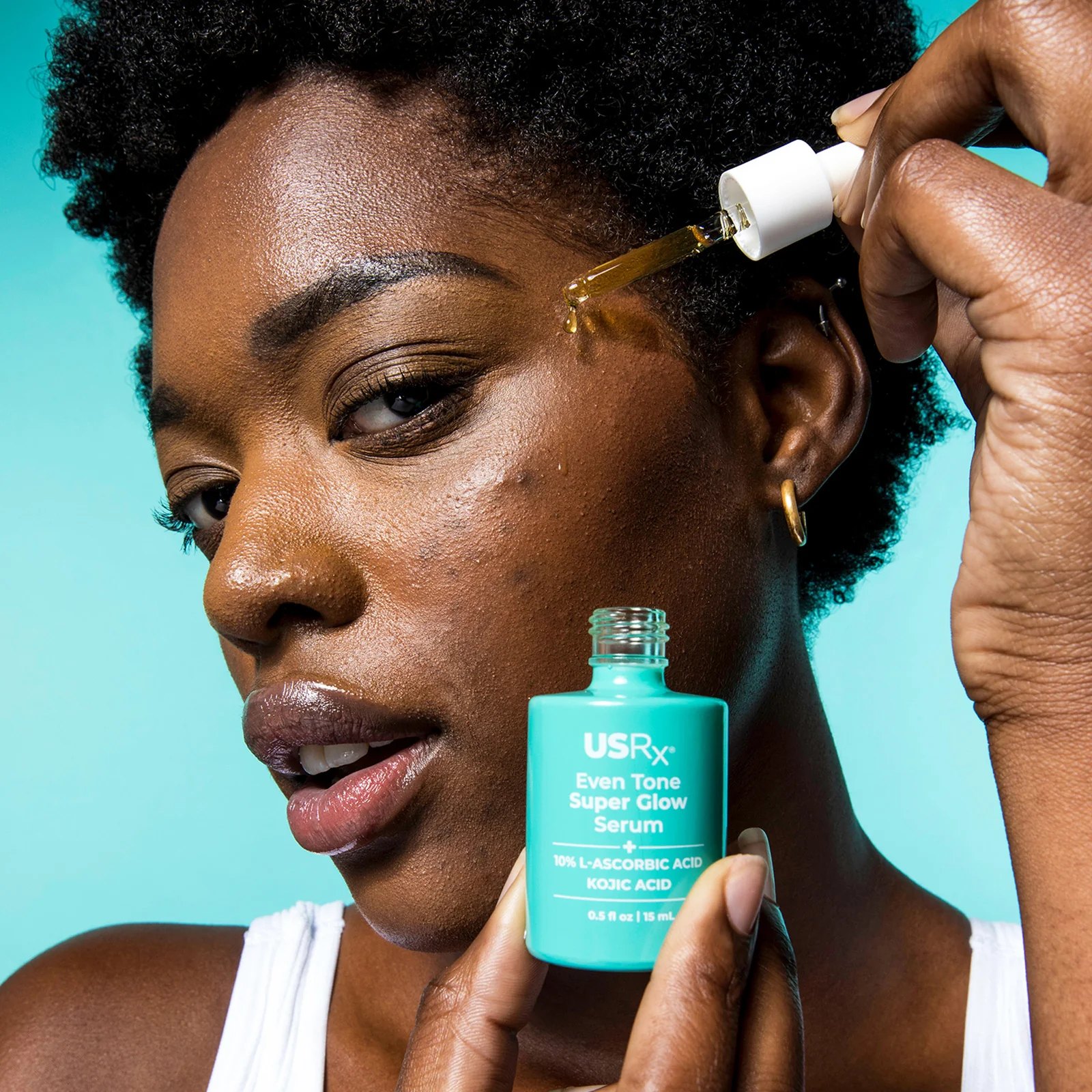
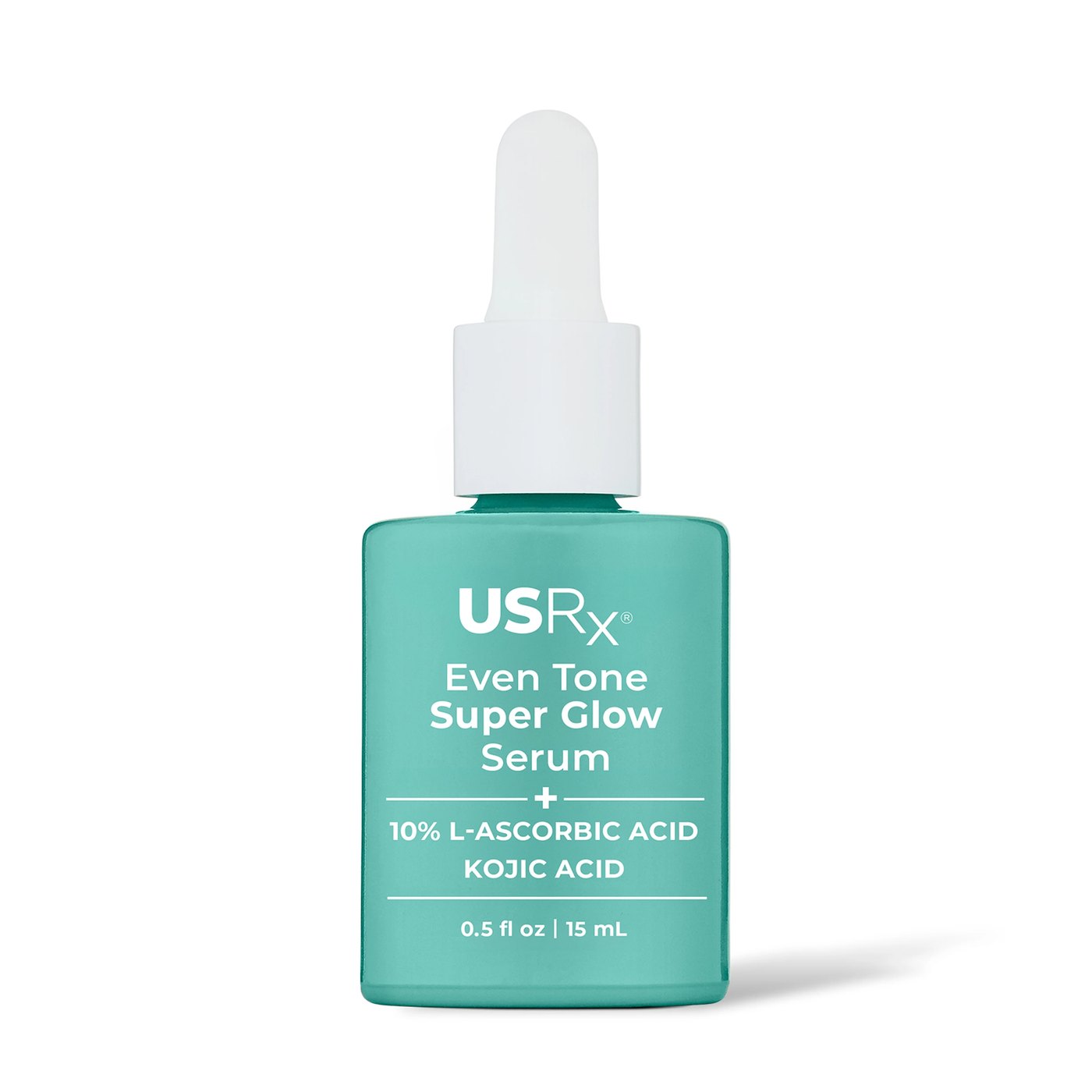
The Even Tone Super Glow Serum at 0.5 fluid ounces pairs 10 percent vitamin C with a retinoid plus niacinamide. Vitamin C oxidizes fast and retinoids irritate easily, so how do you weigh harvest freshness, packaging and dose for melanin rich skin.
Vitamin C demands attention to freshness. L ascorbic acid performs yet degrades. Light, air and heat alter it. Percentage alone therefore means little without attention to size, pack and habit. A small 0.5 fluid ounce bottle supports regular use while the serum remains fresh. Opaque packaging and a closed cap help. A pea sized layer pressed onto even tone skin at night, then moisturizer, does more than a large dose applied seldom.
For retinoids in deeper tones we remain conservative and we add niacinamide, which supports calm, even looking skin. My mental model comes from harvest. Pick at peak, hold cool, use promptly. A serum works in the same way. Purchase the size you will complete. Keep it stored well. When color or odor change markedly, replace it. The aim is gradual radiance, not a rapid peel followed by a rebound mark.
Your HyperCorrect Intense Fading Cream pairs 5 percent cysteamine with 1 percent niacinamide and vitamin E, used on dry skin for 15 to 20 minutes before cleansing. Where do plants belong in a formula this clinical, and why keep the contact time short.
Clinical does not push plants out, in my view. Cysteamine is a strong ingredient used for the appearance of persistent discoloration. Niacinamide supports even looking tone and barrier comfort. Vitamin E acts as an antioxidant that helps the formula remain stable on skin. Around those we still select soothing botanical support so tolerance stays acceptable, because tolerance is what permits consistency.
Brief contact is deliberate. A thin film goes onto dry skin, remains 15 to 20 minutes, then rinses before cleansing. That interval allows the actives time while it curbs excess exposure. Melasma occurs most often in Fitzpatrick types IV to VI, and such skin types mark with ease. A repeatable calm routine counts more than one intense night. Botanicals do not lead this formula, but they help skin accept it.
The brand page says you leave out sulfates and parabens and avoid hydroquinone, and you describe formulas as cruelty free and developed by estheticians. What does your rule, I have never compromised on what I put in my products, require when costs rise.
Results come first, then pricing second. I have never compromised on what goes into my products. When a brightening plant extract costs extra because harvest and handling were done well, we retain it and adjust elsewhere. We formulate with no sulfates and no parabens. We do not use hydroquinone. We remain cruelty free.
The principle sounds plain. Execution is not. Every retailer started coming to us asking for a piece of the business, and for a while we kind of said yes to everybody. Added doors add volume, which ought to cut costs, yet they add pressure to dilute a formula toward a price point. I prefer to alter size or assortment rather than weaken the portion that performs. Clients trust us with melasma, acne marks and uneven tone. The entire company rests on that trust.
In early 2020 an unpaid customer posted a before and after video of the bar on TikTok, with sales first reported up 150 percent then described as up 300 percent over three months during the Three Week Clear Skin Challenge. What did that sudden growth show about how people actually use a botanical exfoliant at home.
There are plenty of pluses and minuses that come with viral moments. People expect those sales to continue forever. That approach is neither realistic nor sustainable. What drew my attention was behavior. Users kept the bar on for longer, applied it twice daily without pause, rubbed hard with the sponge in pursuit of quicker fading. In deeper tones that pattern may backfire and make marks look darker.
We moved to teach method. Wet the sponges. Work a lather. Press, do not drag. Begin a few evenings weekly, then increase as tolerated. Rinse fully. Add moisture plus morning sunscreen. The botanicals need steady time, almost a steep. Licorice root and niacinamide support tone appearance with regular use, while acids remove dull surface buildup. Growth in 2020 was projected at 70 percent, 36 points over plan, after about 30 million dollars in sales the year before. That volume required sharper instructions, inventory control and patience.
If I cannot deliver noticeable results, life changing results for people, my brand is finished.
Rachel Roff
You went from one spa to Walmart in over 750 stores in fall 2020, later reported near 1,500, plus Walgreens, Ulta, Target, CVS, Dermstore, Amazon, HSN and QVC, with a Pro Strength redesign at Ulta in 2021. What did sourcing have to change to keep the botanical standard at that scale.
Scale taught us to refuse more often. Accepting each door tempts every young brand. We kind of said yes to everybody at first, then we felt stress in manufacturing and inventory. Scaling choices are concrete. Larger lots of kojic acid, niacinamide, licorice root extract and oils become necessary. Lead times lengthen. Second sources need qualification. Specifications for color, odor and activity must be fixed so lots stay consistent.
Roff mentions manufacturing obstacles openly. Ours concerned holding feel and function during growth. A cleansing bar must melt and set the same each run. A serum must hold viscosity and clarity. Esthetician review stayed in the process, assessing texture on skin rather than only in glassware. The Allure Best of Beauty recognition in 2020 for the Even Tone Smooth and Glow Enzyme Mask helped, but awards do not fix sourcing. Planning does.
Your site cites more than one million Even Tone Cleansing Bars sold and more than 12,000 five star reviews, with surveys saying 90 percent agree it improves uneven appearance and 87 percent that it boosts radiance. How do you read those numbers as a formulator who still lives in the treatment room.
I treat them as signal, not proof. Surveys record how skin appears to the person who wears it, which bears on confidence. In the room I assess texture, makeup application, whether marks appear softer in daylight. The bar acts as a daily steep. Short contact, rinse, repeat. Across weeks the surface appears smoother and tone appears more uniform.
I also attend to the gap. When 90 percent report more even appearance, I consider the 10 percent who do not. Was use excessive. Was sunscreen skipped. Was acne picked. Was pregnancy or melasma present that calls for longer care. Figures show where instructions need clarity and where a consultation fits. Our 15 dollar virtual consultation serves that purpose. No single routine suits each face.
You have said the largest gap between successful and unsuccessful people is response to failure. Which formula failure taught you the most about restraint.
Early on I sought every brightener in a single jar. Added acids, added extracts, added claims. On deeper skin such crowding may irritate and create the marks meant to be softened. We stepped back. Fewer actives at careful levels, backed by calming botanicals and a defined method, outperformed a crowded label.
That logic explains why the bar combines three roles, cleanser, mask and exfoliator, instead of three separate potent steps. It explains short contact for the fading cream. It explains the small serum. Restraint mirrors a plant rule too. A field is not over harvested because demand jumps. Cut, allow recovery, return. Skin responds the same. Failure taught concurrent care for barrier and brand.
In January 2025 the brand was reported as bought by American Exchange Group, with terms not disclosed, and you have discussed board members and a medical director holding equity. How should readers understand Urban Skin Rx now, and what stays rooted whatever the ownership.
I want readers to see continuity. The mission is to keep making clinical skincare more accessible around the world, especially for hyperpigmentation, melasma, acne marks and uneven tone. I have said that over 51 percent of the company is not Black owned, so we do not present ourselves as Black owned, and that our board members, our medical director Dr. David Henderson and staff hold equity. Structure counts and candor counts.
The method stays rooted. Esthetician developed. Tested inside a working treatment room. Botanicals selected for function, not narrative. Licorice root for brighter looking skin. Niacinamide for balanced looking skin. Acids applied briefly and rinsed. Moisture and sunscreen to keep the gain. Ownership may shift. The soil remains, when tended.
Closing note from the desk
Face Value credits specificity here. Concentrations are stated, contact time is stated, and survey data are presented as user perception rather than controlled proof. The bar format limits exposure by design, which suits melanin rich skin that marks after friction. The cysteamine protocol follows published short contact practice, though head to head data remain limited and tolerability drives adherence.
The open questions are ordinary and worth naming. Sample sizes and vehicles for the botanical fractions are not detailed in consumer copy. Long term tone outcomes lack independent controls. That does not dismiss user reports. It places them correctly as appearance data until stronger trials appear.
Product spotlight
The Even Tone Cleansing Bar costs 25 dollars for 3.7 oz and 16 dollars for 2.0 oz. A combined cleanser, mask and exfoliator in a jar with kojic acid, azelaic acid, niacinamide and licorice root. Build lather with the included sponges, massage briefly or hold briefly as a mask, then rinse fully and add moisture plus daytime sunscreen.
The Even Tone Super Glow Serum costs 24 dollars for 0.5 fl oz. A brightening serum with 10 percent vitamin C with a retinoid and niacinamide for the look of dark spots and dullness. Apply a small amount to clean skin in the evening, add moisturizer, and maintain daily morning sunscreen as tone appears more even.

Julia Atkins
Julia produces the interviews at Face Value: the research, the question lists, the follow-ups. She will ask a founder for the concentration and the sample size, politely, and then wait.
More from Julia Atkins →