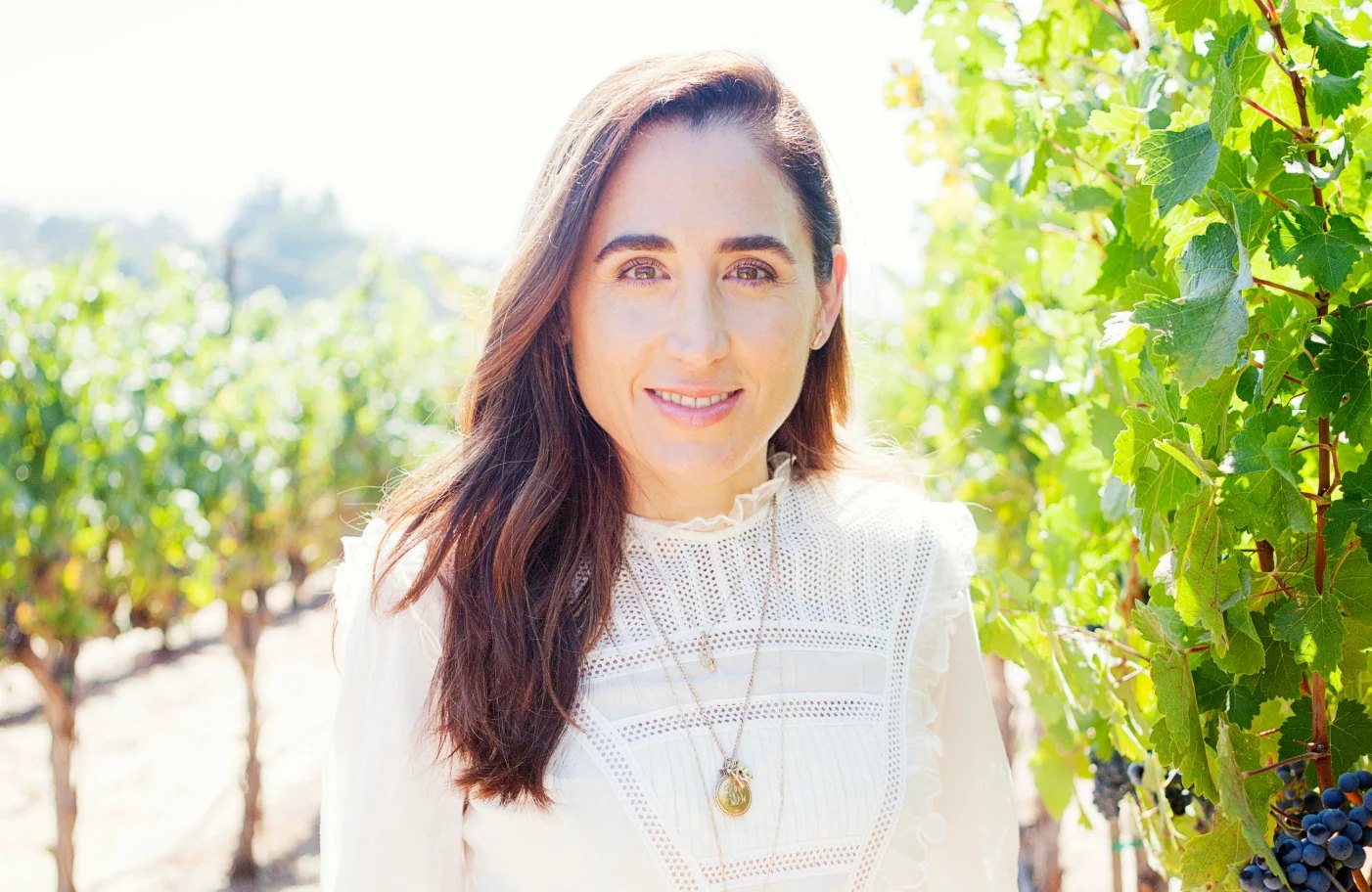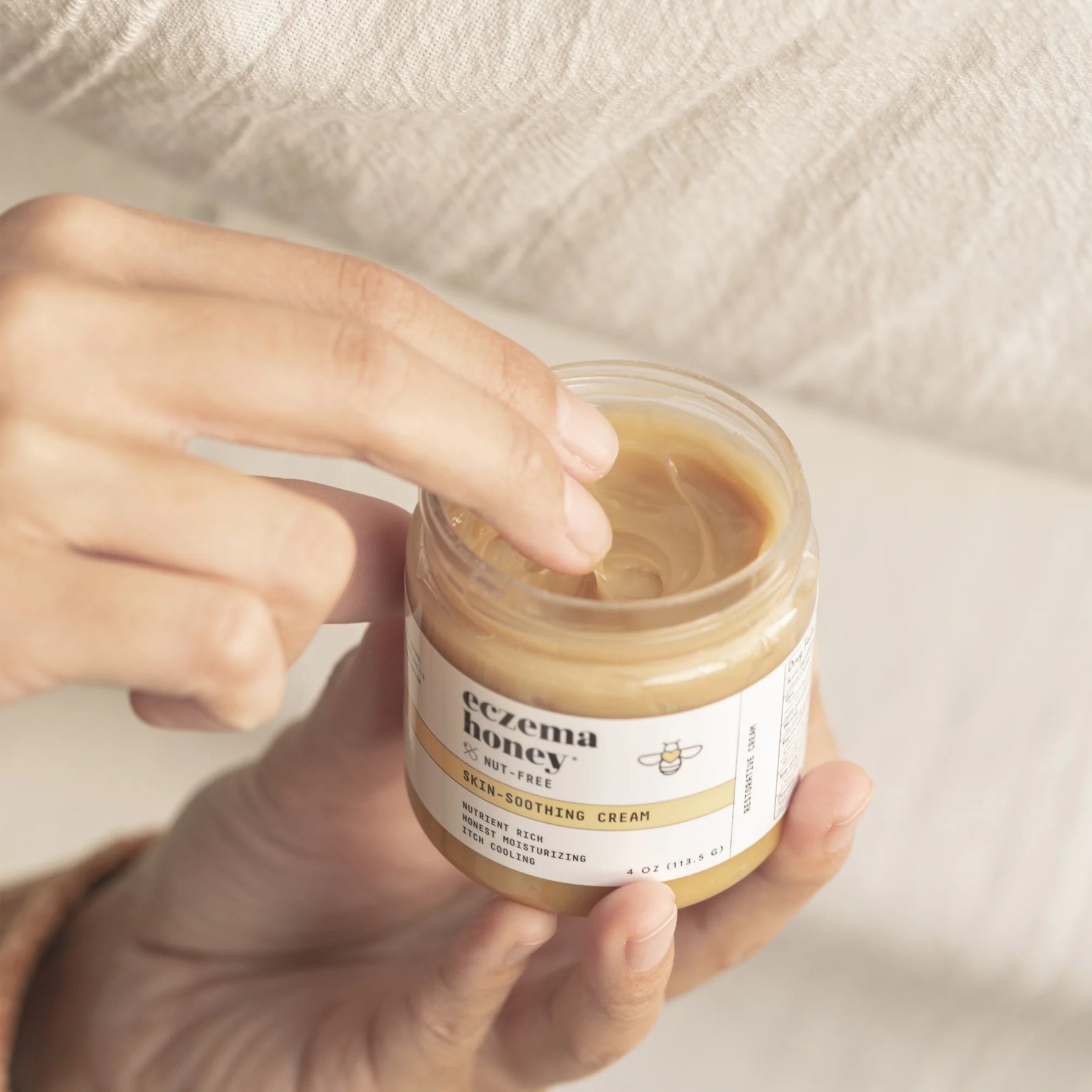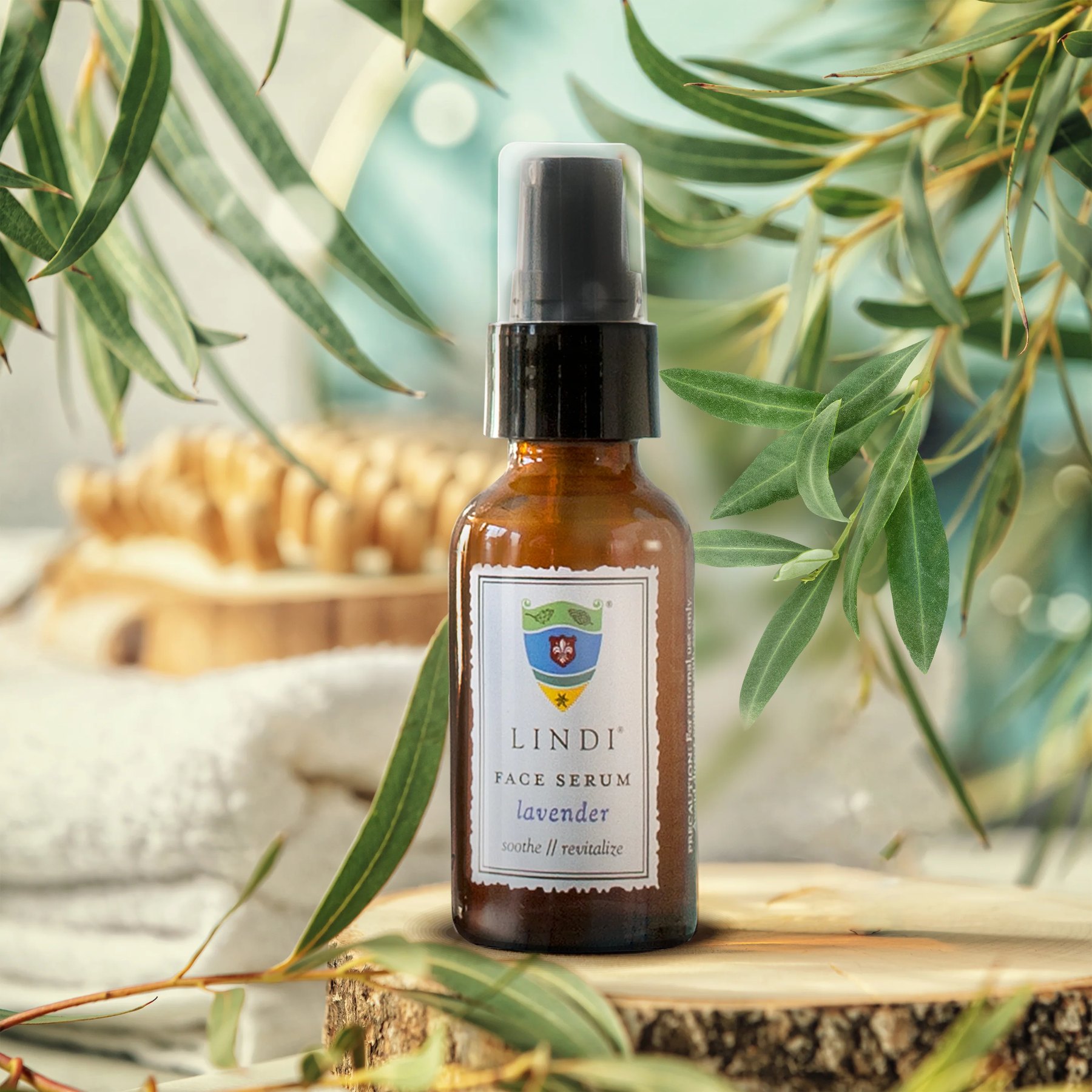
Evidence in skincare is rarely tidy. KraveBeauty offers a narrower test instead. Fewer formulas, named plants, time to observe response. Founder Liah Yoo describes tamanu for barrier comfort, matcha with hemp for mild cleansing, and a slow routine built on listening.
A familiar story brought her here. More than one million subscribers since 2011, years of acne and antibiotics, skin left oily and reactive. Liah Yoo had worked at AmorePacific and tried invasive treatments and stacks of medication. The shelf filled. Comfort did not follow.
What she started in New York in 2017 runs against that history. Development lasts a year and a half to two years, begins with community reports, proceeds through laboratory work and sourcing that prefers byproducts, then moves to a careful release. The claim stays modest. Formulas meant to cooperate with skin instead of fighting it.
The restraint is botanical. Tamanu oil at ten percent, matcha valued for antioxidants, hemp seed oil for softness, oat for calm. No fragrance, no essential oils added for scent. Texture carries the sensory load. We met to review concentrations and routines, and also the discipline of withholding what skin does not need.
More than five hundred customers joined your virtual stakeholder meeting in 2020, and you say listening writes the brief. How does that input alter a formula before laboratory work begins.
For us, the point was to make the brand feel human. Once that distinction falls away, where a company speaks and a buyer only listens, the exchange becomes person to person. That phrase guides staffing and budgets, not only posts. It shapes what we agree to make.
Each product begins by naming a problem and listening to community. People describe routines that feel heavy or unclear. Then we carry those patterns to the lab. We would rather include customers in decisions than protect brand authority. We prefer helping customers choose over pushing them to purchase. If the request is a calm moisturizer that layers cleanly, we do not insert a fashionable extract to sound novel. We refine oat, a water light texture, refill paths. Attention prevents invented needs.
You took eighteen to twenty four months on some formulas, and sunscreen work runs longer than other skincare because of regulation. What does slow mean in practice, from sourcing to stability, and why hold a small range when novelty sells.
Slow starts before the lab. We spend months reading messages, grouping patterns, choosing which problem merits a formula. Then formulation turns iterative. With plants, harvest variation matters. One matcha lot can appear and behave a little differently by season. Hemp seed oil needs fresh, careful handling to remain pleasant with no fragrance to cover it. We assess texture repeatedly because texture stands in for scent.
Sunscreens add another layer. Beet The Sun needed patience because sun protection is regulated as a drug in many markets, with defined testing for SPF and water resistance and stability over time. Haste there would be irresponsible. We keep the range small because each addition must justify its place for years, not weeks. That is our definition of timeless. Fewer roots, deeper.
You began the channel in 2011 and passed one million subscribers before founding KraveBeauty in 2017, after acne, antibiotics and sensitized skin. What did that long period of testing heavily promoted products clarify about what skin requires.
I was piling products on my face that it never asked for, and it felt punished and begged me to stop. That sentence is blunt, and it remains accurate. I consulted brands and specialists and still lacked the filtered skin seen online. My skin felt oily and inflamed and sore when touched. I kept adding because I equated care with quantity.
With KraveBeauty, I want to help everyone pause, press reset and listen to their skin. We forget skincare only exists to support skin natural work. Your skin is already quite intelligent, so respect the moisture barrier you were born with. That became the test for each formula. The test is whether it supports what skin already does well. When it fails that test, we simply do not make it.
You have said Korean routines have kind of brainwashed us into doing more and more when skin needs less. How did working in that culture, including time at AmorePacific, lead you to formulate for restraint rather than routine.
I respect the place where I started. I learned a lot there about texture, about research, about ritual. But I also saw what follows when launches answer shareholder interest to hit sales targets, not customer pain points. Shelves crowd. Acquisition costs rise. Marketing starts to make people feel bad, as if skin were a defect to correct through another purchase.
I wanted to break that trend cycle because skin is not fashion, it is protection. In the end, we want to loosen the grip of instant gratification in skincare. So we selected fewer products that could serve for a long time. Each formula takes us a year and a half to two years. We would rather create less slowly than chase trends for fast profit.
Great Barrier Relief arrived when layering actives dominated, and you trace it to community listening. Why did tamanu oil, at ten percent in a reparative serum, seem the suitable plant for redness and a fatigued barrier.
Our community repeated one message in varied terms. My skin feels overworked. Everything stings. I need a pause. Shelves at the same time carried potent exfoliants and brightening claims. So we asked what a healing product could be if plants supplied steady care rather than acids supplying forceful action.
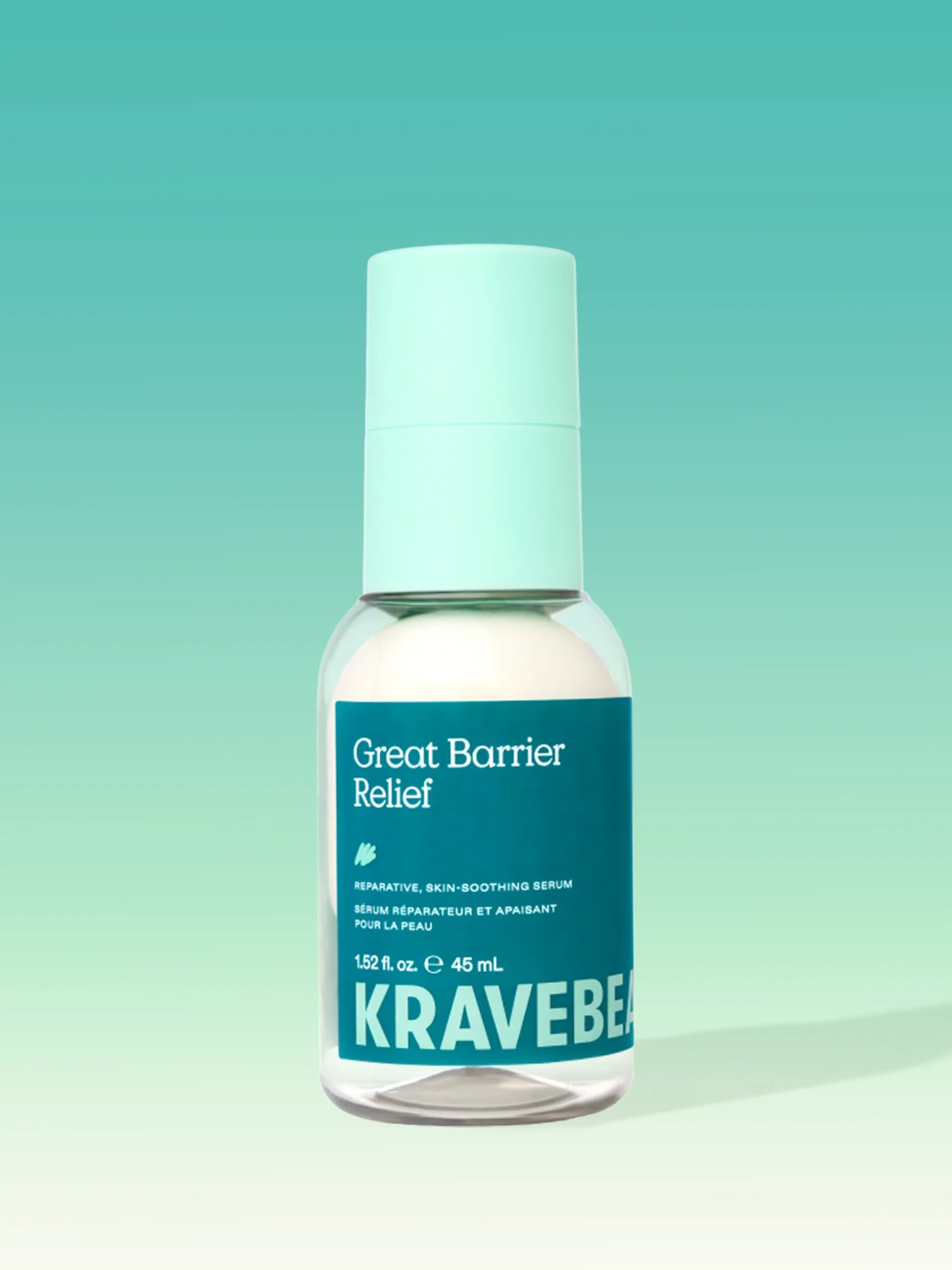
Tamanu felt fitting because it is resilient and generous. It is a thick, green gold oil from the tamanu tree, long valued for soothing stressed looking skin. At ten percent in Great Barrier Relief, it helps guide skin toward comfort while easing the look of redness and irritation. The goal is not to coat or conceal. It supports the barrier so skin can handle its own repair. That is the full point of slowdown skincare. Give skin space, then give it steady support.
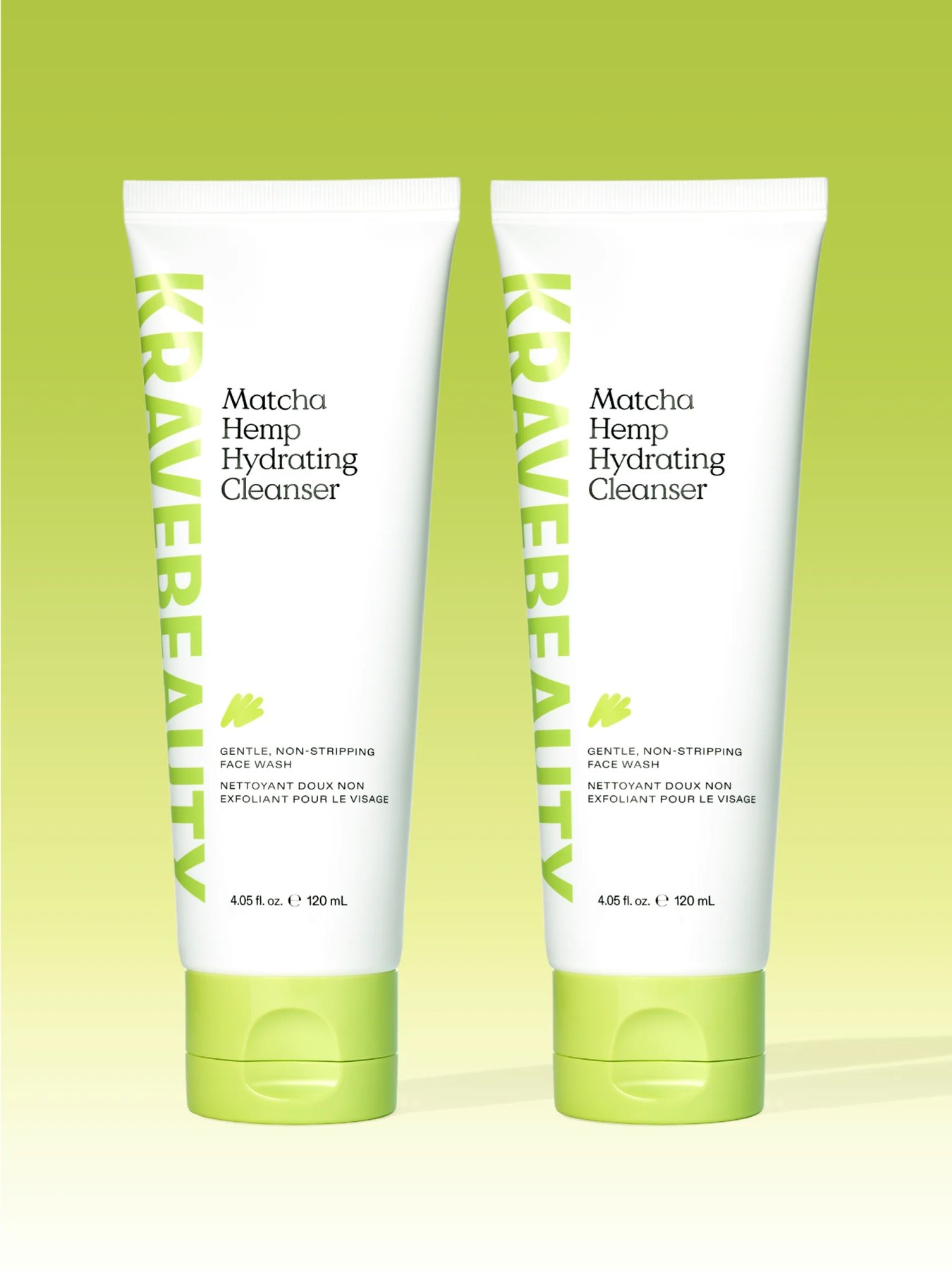
Your cleanser combines matcha, rich in free radical fighting antioxidants, with hemp seed oil in a bouncy jelly that is fragrance free. A rinse off product has brief contact, so why place considered botanicals there, and what did texture teach you during development.
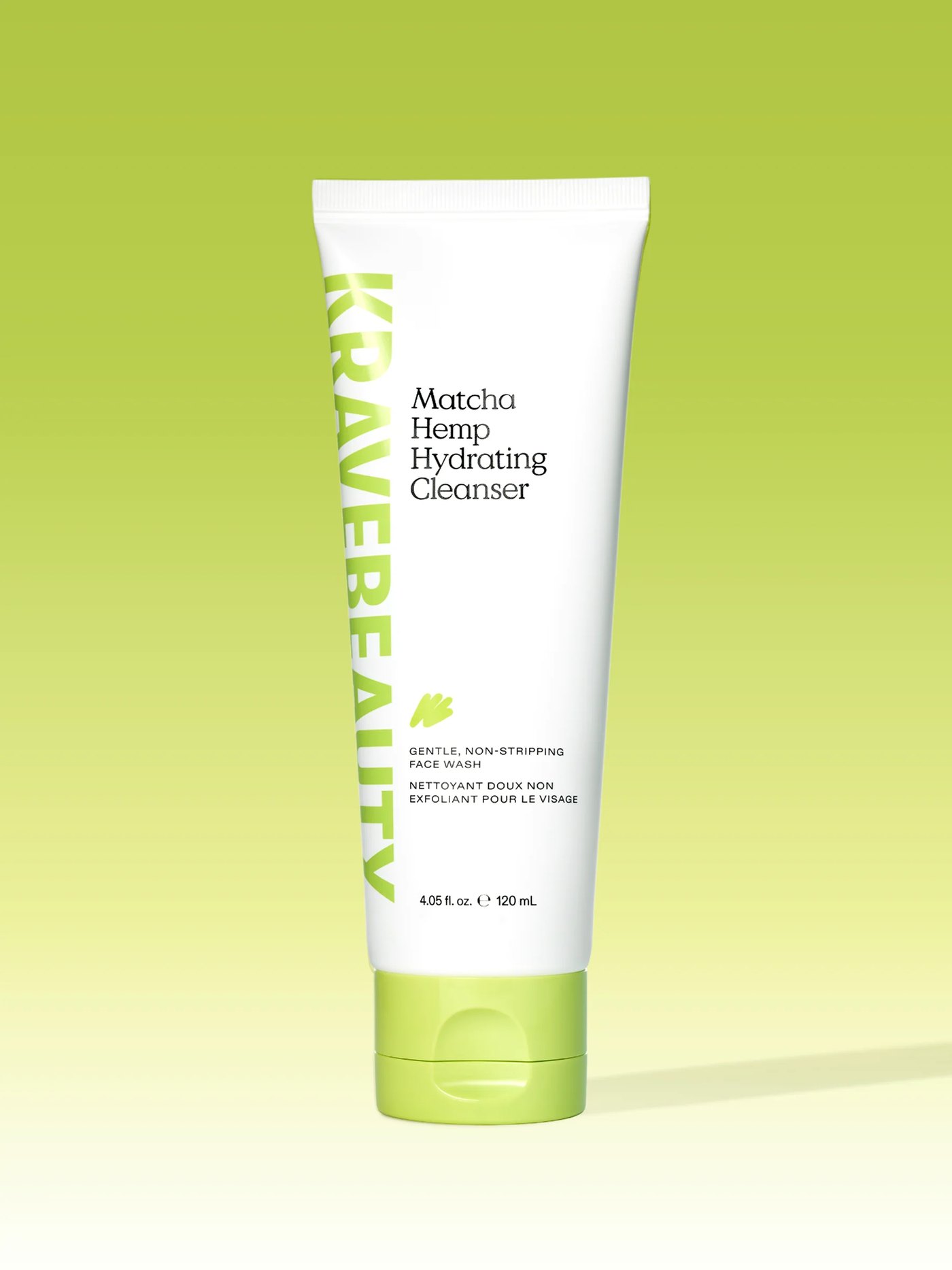
That cleanser was the most fun to formulate because it had to show that mildness can still register as pleasure. A cleanser sets the mood for the entire routine. If it strips, each later step must compensate. If it respects the barrier, the later steps can stay simple. Matcha contributes antioxidants and a fresh green character without perfume. Hemp seed oil keeps cleansing nourished rather than tight.
We skipped fragrance and essential oils for scent, and relied on texture instead. That bouncy jelly provides the pleasure. It softens the hands, lifts the day, then rinses clear. We kept revising the base so sensitive skin could use it morning and night without that squeaky feeling. For combination skin in particular, it leaves skin hydrated and calm, not thirsty. A good cleanse should feel like watering soil, not scouring it.
That trend cycle is something that I wanted to break because your skin is not a fashion item.
Liah Yoo
Oat So Simple Water Cream relies on oat extract to cool reactive areas and protect against irritants, and it is sold in refillable packaging. Why did oat suit dry and dehydrated skin as a lead plant, and how are refills part of the formula rather than an add on.
Oat is quiet, and I say that as praise. It does not request notice. Oat extract helps ease the look of sensitivity and helps skin face daily irritants like wind, heat and hard water. In a cream that is light as water, it feels cool on contact and leaves a breathable layer. For dry and dehydrated skin, that counts more than richness alone. Skin can drink without feeling smothered.
The refill grew from the same reasoning as the formula. Use less. Buy only what you need. If we ask people to slow down and keep products for a long time, packaging should permit that. You keep the jar, and the refill offers more product with less waste. In the studio it also reminds us that sustainability is not a launch story. It is careful sourcing, using byproducts where possible, and packaging that honors the plants inside.
You have said you never saw this as a Liah Yoo brand or another influencer brand. As founder turned CEO, how do you keep the YouTube past visible without allowing personality to steer choices that should rest with plants and community.
I never saw this as a Liah Yoo brand or another influencer brand. That was intentional. It is funny how the founder has now become the CEO by default. I never began with that title in mind. I began by asking why skincare felt so noisy.
My background helps me explain, not to prescribe. I can demonstrate how I press reset at the sink. I can describe barrier respect in plain words. Still, the brand must hold up without me present. That means stakeholder thinking over shareholder thinking, and formulas that make sense without my face. The plants do the work. The community checks the work. My job is to protect the setting where both can do good work.
Your sustainability guidance is direct. Use less. Buy only what you need. For a reader who likes botanicals and wants to try KraveBeauty, where is the simplest entry, and how do Great Barrier Relief and Matcha Hemp Hydrating Cleanser sit in a calm daily ritual.
Begin with the sink and the barrier. Night is a good teacher. Cleanse once with Matcha Hemp Hydrating Cleanser, massaging the jelly onto damp skin and rinsing with lukewarm water. In the morning, cleanse again or rinse lightly, based on how your skin feels. Then apply a thin layer of Great Barrier Relief where skin looks red or feels tight. Follow with moisturizer and, during the day, sunscreen.
Give it time. Plants steep quietly instead of shouting. Observe for a week how skin responds before you add anything. When skin feels calm, remain there. Less is more is not about owning very little. It is about noticing more. Press reset, listen, and keep the routine as small as your skin requests.
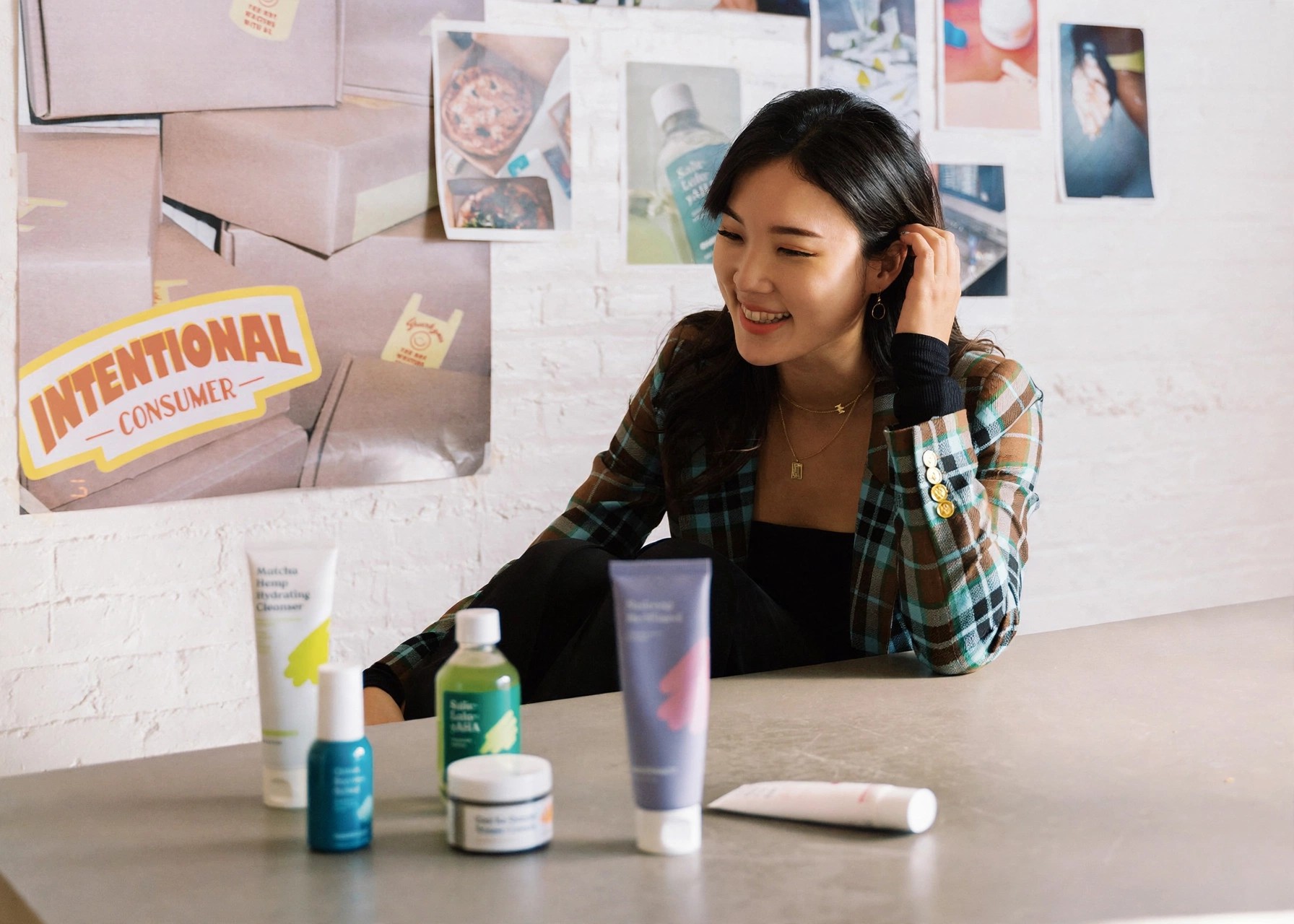
Closing note from the desk
What remains is the gardening comparison. Yoo speaks of skin as soil. Avoid flooding. Avoid stripping. Add light nourishment, track conditions, allow rest. Tamanu for repair, matcha and hemp for gentle cleansing, oat for cool calm. Every plant holds a role and none is pushed to perform.
KraveBeauty aimed to press reset on the skincare norm. In practice that requires fewer launches, longer development, no miracle language, and customers regarded as stakeholders. It is plant led skincare read slowly, and it gives the reader a clear starting point.
Product spotlight
Great Barrier Relief costs 29 dollars for 45 mL standard and 50 dollars for 100 mL jumbo. A reparative serum for stressed and sensitized skin that supports barrier comfort and eases the appearance of redness. Press a thin layer onto cleansed skin morning and night where tightness appears.
Matcha Hemp Hydrating Cleanser costs 16 dollars for 120 mL and 27 dollars for two packs. A mild bouncy jelly with matcha antioxidants and hemp seed oil that cleanses while maintaining hydration. Massage onto damp skin and rinse, morning and night, as the opening move in a simple routine.

Julia Atkins
Julia produces the interviews at Face Value: the research, the question lists, the follow-ups. She will ask a founder for the concentration and the sample size, politely, and then wait.
More from Julia Atkins →