“I learned to listen to plants long before I learned to formulate.” The line sounds poetic, but it points to sourcing decisions that can be checked: where plants grow, how extracts are made, and what stays in the bottle.
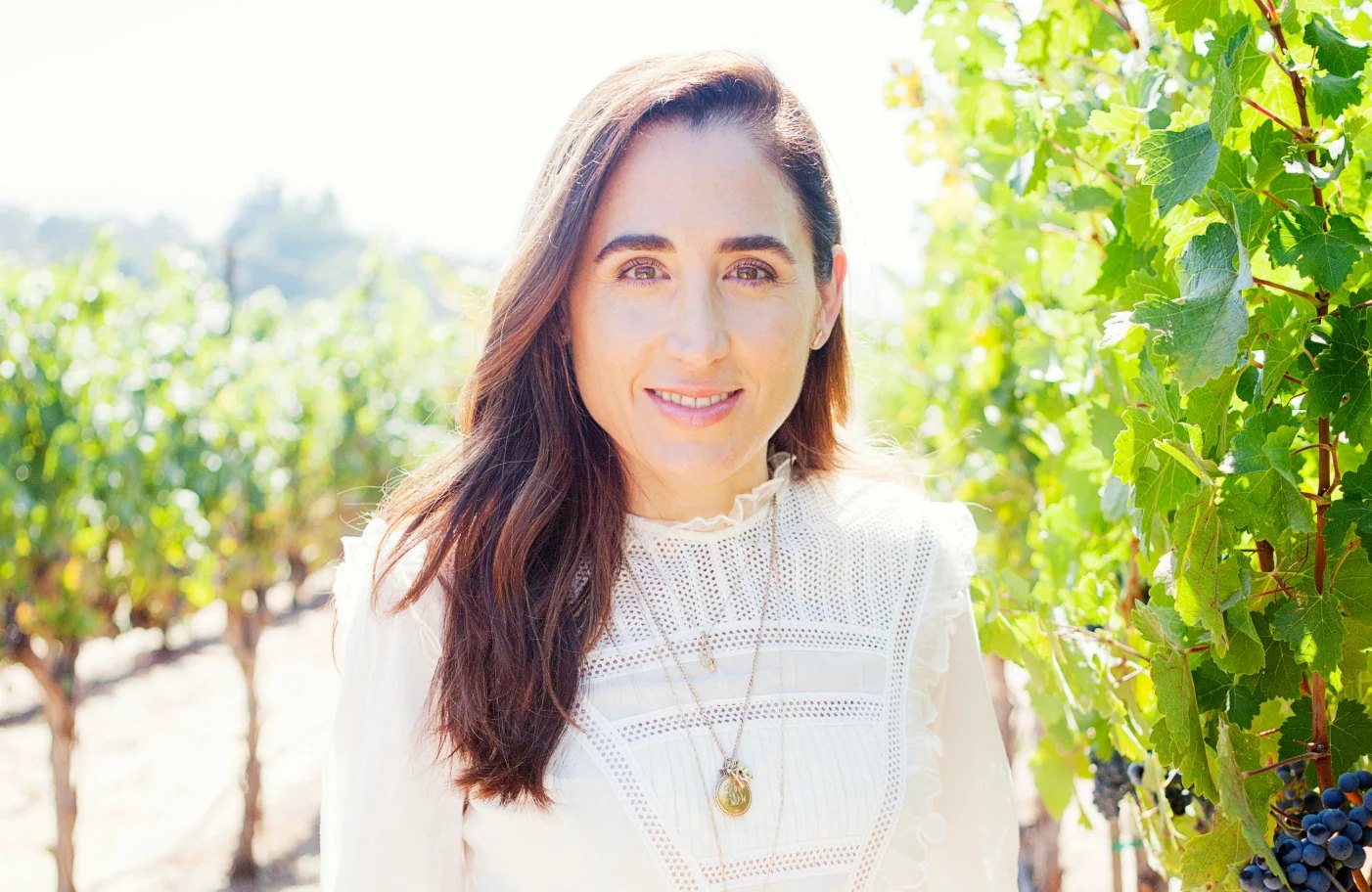
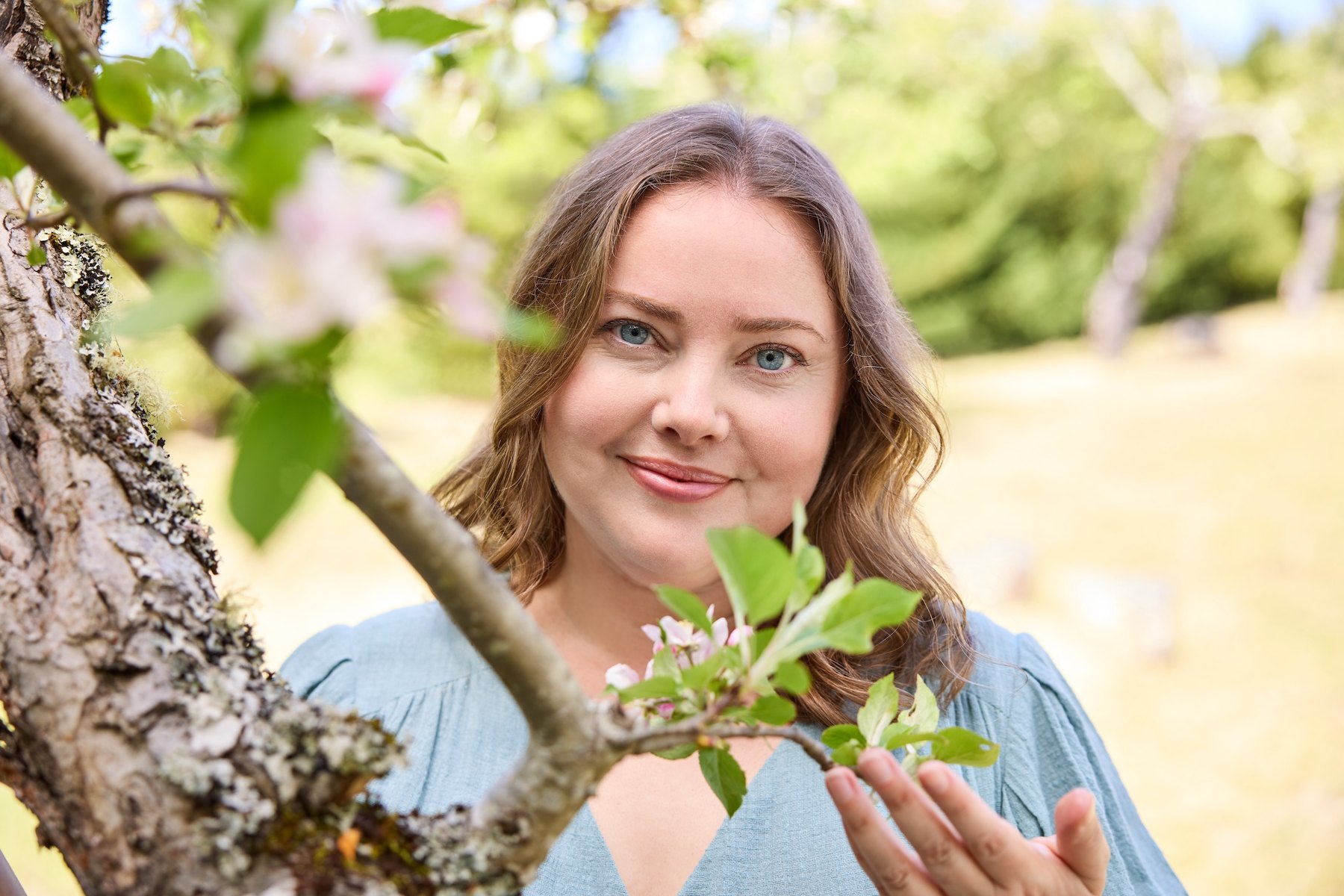
That sentence opens a useful test. Laurel Shaffer grew up on a GMO corn farm in rural Illinois and spent daily time searching for wild plants in fields and creek beds. At nineteen she drove west to California. She trained as a sommelier while working in a Michelin starred restaurant and studied at the California School of Herbal Studies. Through biodynamic and regenerative wine she linked farming practice to flavor. Through her own health she turned toward plants for daily support.
Laurel Skin came from that dual training. Slow food sourcing, phytochemistry and herbalist practice were combined into whole plant organic skincare produced in close work with farmers. She now lives on a six acre biodynamic herb farm with her husband Eric and their two dogs. All production remains under one roof at the Barn in Petaluma.
The method is unusually literal. Harvests arrive raw from regional artisan farmers in crates and paper sacks. They are smelled, inspected, ground, dried, mixed, steeped for months into handmade botanical extracts, then hand poured into bottles in house. Formulas retain complete plant chemistry rather than isolates. Abundant plants are preferred over exotic ones because they thrive locally. The questions below ask what that approach may support for skin, where the evidence stops, and what a label reader can verify.
You trained on two tracks at once, as a sommelier in a Michelin starred restaurant and as a student at the California School of Herbal Studies. How did wine shape your view of farming?
Plants themselves, the farmers I work with, and nature provide most of my direction. Wine gave me a way to taste farming. With biodynamic and regenerative wine, soil and care and timing appear to come through in the glass. Harvest choices and vintage variation deserve respect rather than correction.
At the same period I studied herbal medicine and felt disillusioned with Western medicine while managing my own health. Plants appeared to offer steady daily support. I also felt disenchanted with organic beauty products that appeared harmful or unnecessary and lacked connection to real plant medicine, Earth, or farm source. I began studying herbal medicine to build a genuinely organic line from only plants and foods in purest form for estheticians and spas. Slow food sourcing informed how I source. Phytochemistry informed how I understand chemistry. Herbalism informed how I wait.
You select abundant and thriving plants from partner farms instead of trendy or exotic ones. What does abundance actually tell us about potency
I lean toward plants that stay abundant and thrive for our partnering farms instead of trendy or exotic plants. That preference shapes each formula. A plant that thrives nearby without forcing already fits that soil and season. That vitality seems visible in scent, color and feel.
Abundant and thriving plants appear to offer the most potent support for our skin, and using them may give back to the Earth rather than take from it. The choice lets us remain in relationship with regional farmers instead of chasing a rare ingredient across the world. We can visit the field and walk through the rows. We know the growing method and the picking date. We bring it to the Barn raw and complete the work ourselves. That closeness holds us accountable. If a plant struggles in this place, we do not push it. We wait or we select another plant that shows it wants to grow.
You have written about carrier oils that quality matters more than the choice, naming jojoba and rosehip. For someone blending at home or reading a label, how should those oils be judged
With carrier oils especially, ingredient quality matters more than which ingredient is selected. A fresh, unrefined oil from a tended farm may support skin better than a refined, tired oil, even when label names match. Origin and processing show the real story. I always ask who grew it, how it was pressed, and how it smells when it arrives.
Jojoba offers a strong base that may help a formula remain stable and carry nutrients deeper into skin. It is technically a wax ester, close in feel to skin sebum, which may explain why it layers well and suits many skin types. Rosehip contains a wide range of nutrients that appear distinct from most other carrier oils. It carries a complex profile that pairs well with slow steeped botanicals. Check color, scent and source. Those simple signs reveal most of what matters before any claim is read.
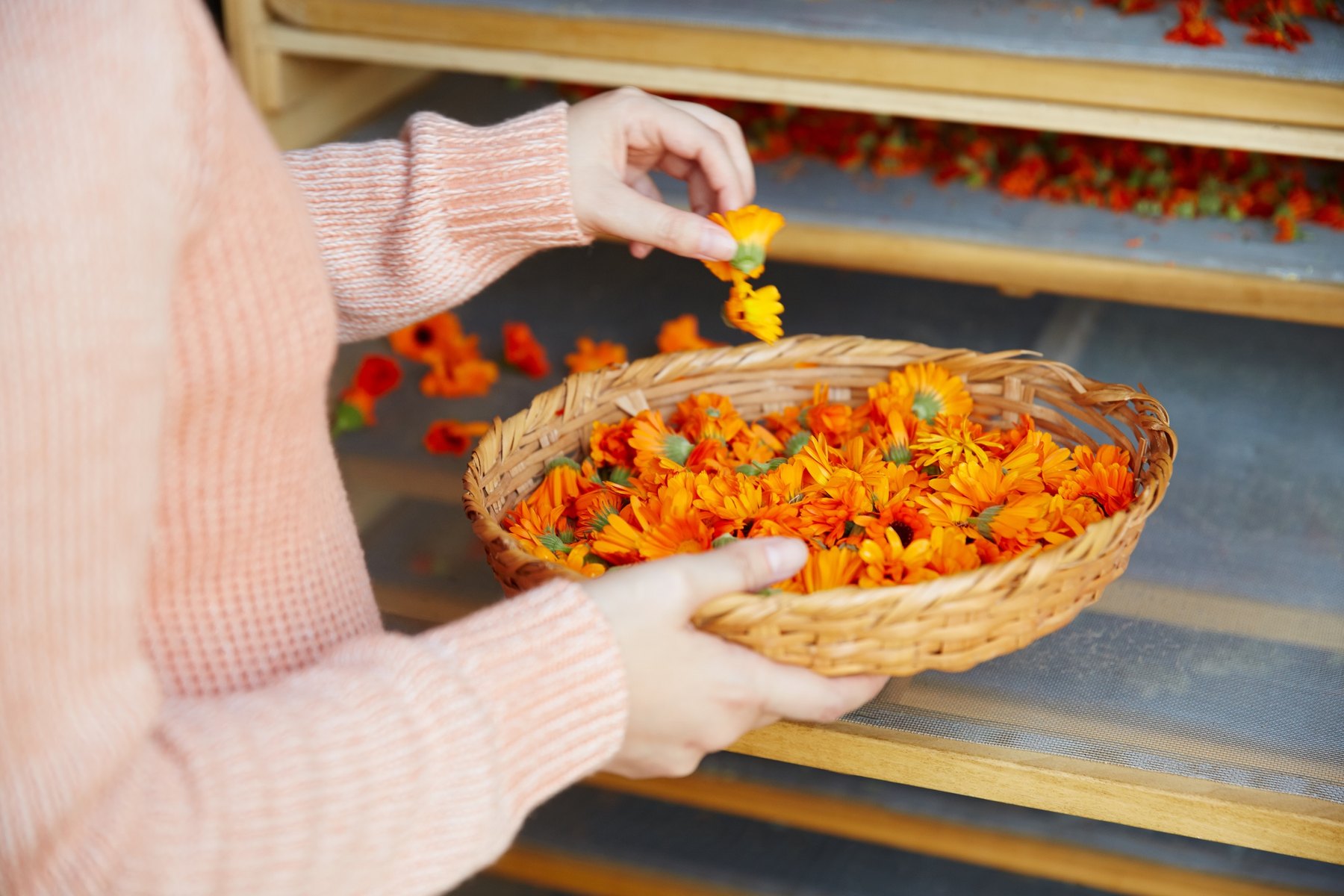
Thank you for having us at the Barn, Laurel. You grew up on a GMO corn farm in Illinois where you searched for wild plants in fields and creek beds. What did those early years show you about plants?
I was listening to plants well before I could formulate. As a child on that farm, I looked daily for wild plants in fields and creek beds. I lacked words for it then. I simply sensed those small green places seemed alive in a way the corn did not. They were unplanned and resilient. They came back each year without input or praise.
Later the contrast became clearer. That farming model did not align with rhythms of nature. It clarified what I did not want in my own work. Spas, wellness, farming and herbal medicine matter deeply to me. That care began with noticing. Plants often make clear when they suit a formula or a specific symptom, and they often grow abundantly for our partnering farms when they belong in the work. I still trust that signal first, before chemistry and before trends.
You describe slow farmed beauty and plant medicine for the skin. When Laurel Skin was born, what promise did you make about what would be inside the bottle and what would never be included
Whole plant, without apology. That remains the promise. One hundred percent whole plant organic skincare with full plant chemistry, slow farmed and made in house. I view all plants as medicine, so naming a favorite feels a bit like naming a favorite child. Yet how we use them matters as much as which ones we select. Purity falls short without relationship.
We reject isolates and stripped ingredients that keep one compound and discard the rest. We reject commercial chemically refined extracts. We reject outsourced production outside the Barn. I also prioritize ingredients I can obtain in as genuinely unrefined and unprocessed a state as possible. The path is slower and demands more time and care, but it leaves the plant intact and the formula coherent. Care across the supply chain is not a slogan for us. It is how a formula holds from soil to skin.
All of it is made at the Barn in Petaluma, where raw plants are ground, dried, mixed, steeped for months and hand poured. Why keep all of that work under one roof
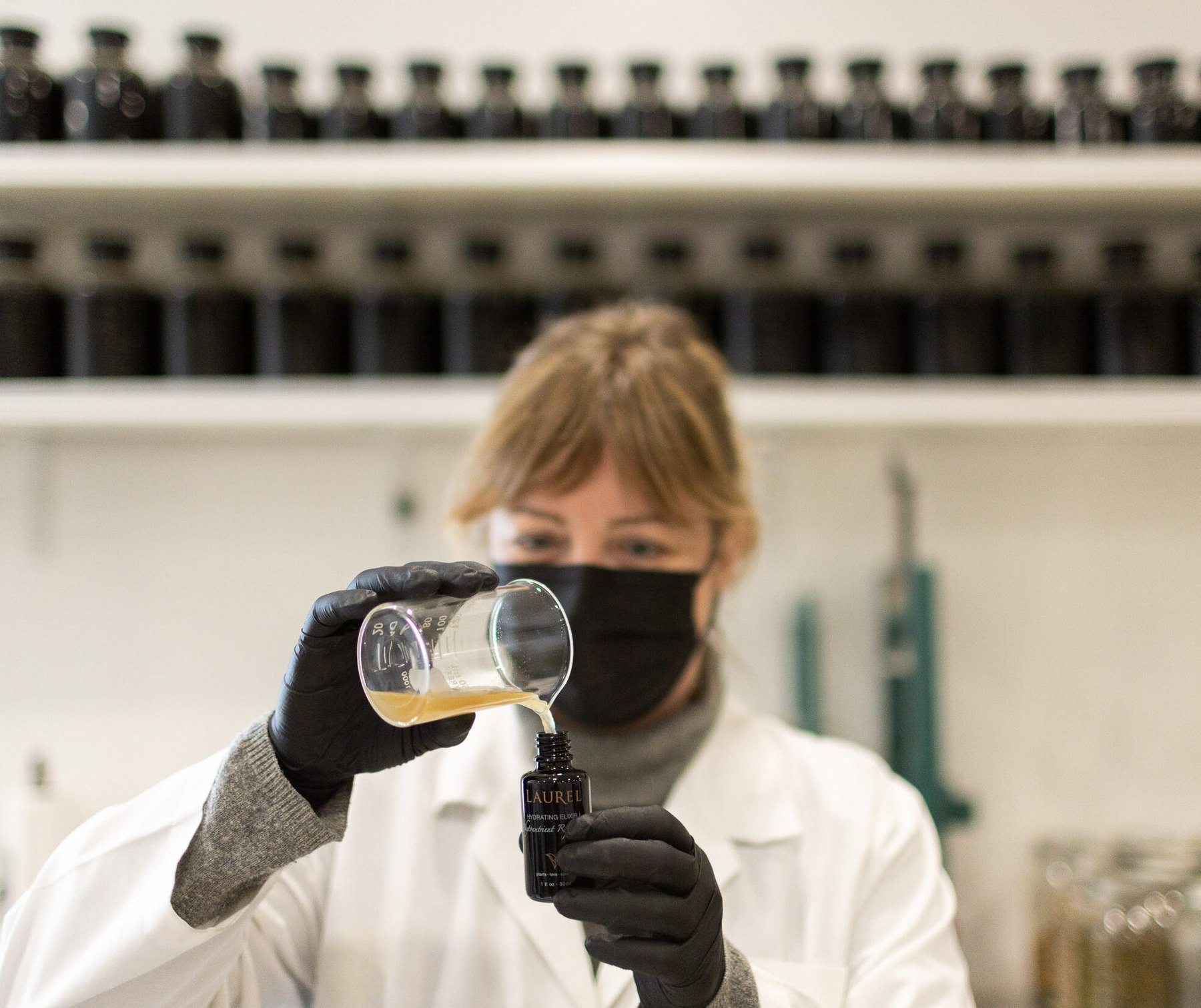
Quality rests in details that never appear on a specification sheet. Plants come from regional artisan farmers, enter the Barn lab in raw form, then are ground, dried, mixed, steeped for months into handmade botanical extracts and hand poured into bottles in house. Our own team observes each step. Nothing leaves the building until ready.
I prefer making botanical extracts in house over months to buying commercial chemically refined extracts. I prefer keeping all making in house under one roof to outsourcing production. Slow steeping teaches the batch. Color deepens over weeks. Scent signals when to stir or wait. Rushing that step would change what the plant provides. Keeping warehouse fulfillment, customer care, and marketing and education with esthetician partners in one place means feedback moves quickly, from treatment room back to the lab bench.
We avoid isolates and stripped ingredients that lift one compound and leave the rest behind.
Laurel Shaffer
You shared self care rituals during the pandemic period and spoke of Miraval memories, and of using the products daily with gratitude. What does your own routine look like?
Using our products each day brings an immediate sense of peace and well being: deep appreciation for the plants and the farmers who grew them. That forms the ritual. Warm hands, slow breath, press instead of rub. Let scent arrive first and settle the nervous system before moving to the next step. I do not rush this stage.
During that pandemic period, when I shared rituals and Miraval memories, simplicity stayed with me. Cleanse gently, add moisture to skin, seal with oil, pause between layers. I live on a six acre biodynamic herb farm with my husband Eric and our two dogs, so the practice extends beyond the bathroom. Walk the rows each morning. Observe what thrives after rain or heat. Carry that attention back to face and neck in the evening. Care does not sit apart from farming. It reflects the same habit of paying attention.
This year you announced a first ever Founders Apothecary Petal Ceremony collection of eight pieces in seventy five hand numbered sets. What is this small harvest meant to be?
It marks a return to the apothecary. A ceremony in petals. We produced an eight piece hand numbered collection of seventy five sets to honor the plants and the hands that tend them. Small, seasonal, precise. Each set is finished by hand and numbered, so no two seem exactly alike.
For me the project also supports education with estheticians and spas and the clients they care for. Whole plant chemistry can be read about, but opening numbered bottles from one slow season, smelling differences between fields and harvests, offers another form of learning. It grounds the work in the senses. Plant medicine for the skin stops feeling abstract when the harvest is held in the hands. My hope is that these sets remind people that skincare starts in soil, and that slowness forms part of what helps it work.
Closing note from the desk
What remains after this conversation is a production model that can be audited. Shaffer avoids novelty sourcing and distant harvests. She returns to the same farms, the same Barn, the same slow steep, and lets abundance guide formula choices. The tone is reverent yet tied to daily tasks of drying, grinding and pouring.
Laurel Skin set out to produce genuinely organic skincare from plants and foods in their purest form, with complete chemistry and a clear farm source. In a market where formula and field often sit apart, the brand places them in one room along the Petaluma River. From an evidence view, in house maceration and unrefined oils plausibly preserve a broader compound profile, though controlled trials, sample sizes and concentrations would be needed to show comparative effects on skin. That precision is what would strengthen the claim.
Product spotlight
Founders Apothecary Petal Ceremony Collection, eight piece hand numbered edition of seventy five sets. A seasonal apothecary set produced at the Barn to present whole plant chemistry in direct form. Use as guided, one layer at a time, with slow pressing and pauses between steps to observe scent and texture.
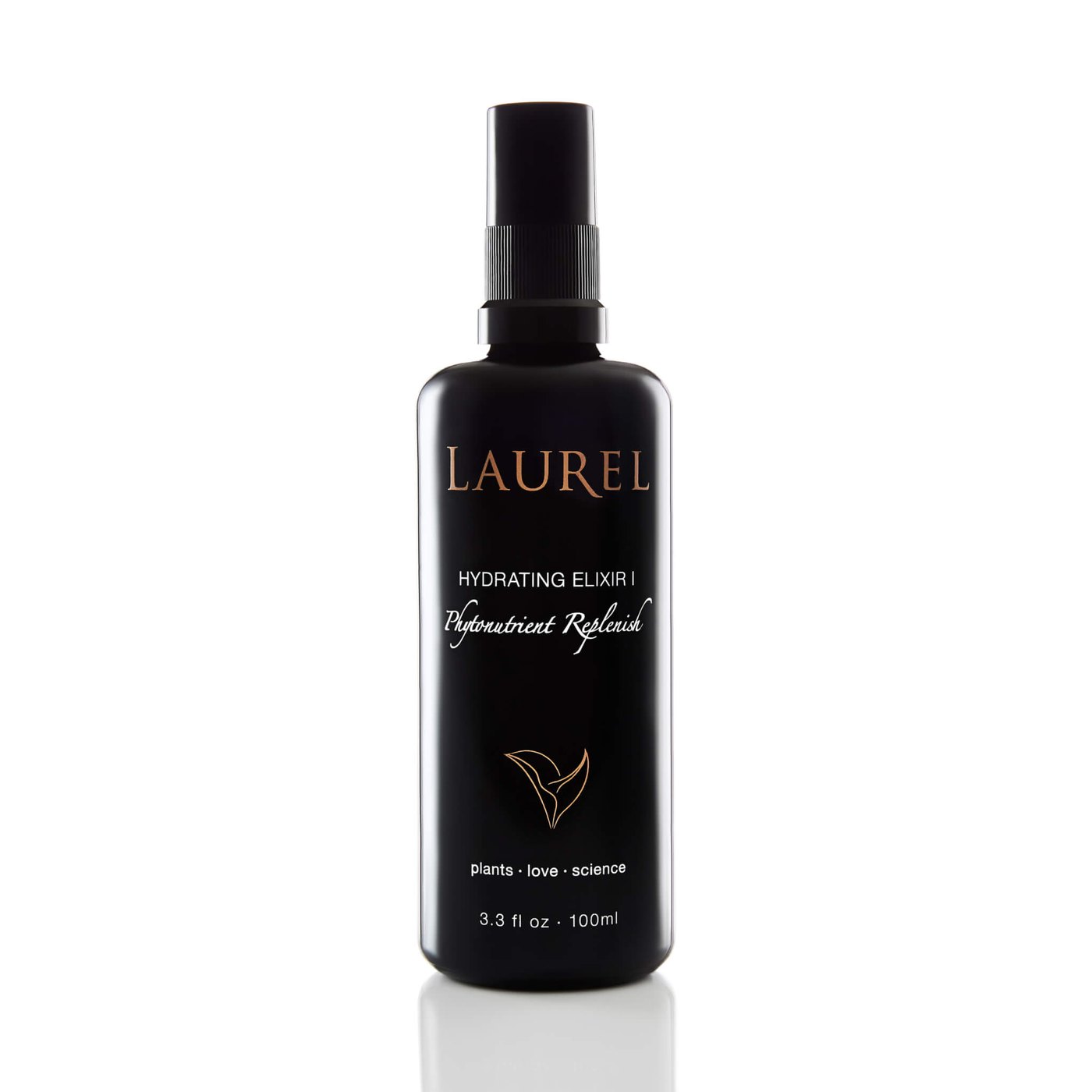
Your Whole Plant Botanical Extracts steep for months at the Barn using regional harvests. The base of the line, prepared from unrefined carriers including jojoba for stability and delivery and rosehip for its broad nutrient profile. Warm between palms, press into damp skin morning and night, then rest.

Julia Atkins
Julia produces the interviews at Face Value: the research, the question lists, the follow-ups. She will ask a founder for the concentration and the sample size, politely, and then wait.
More from Julia Atkins →