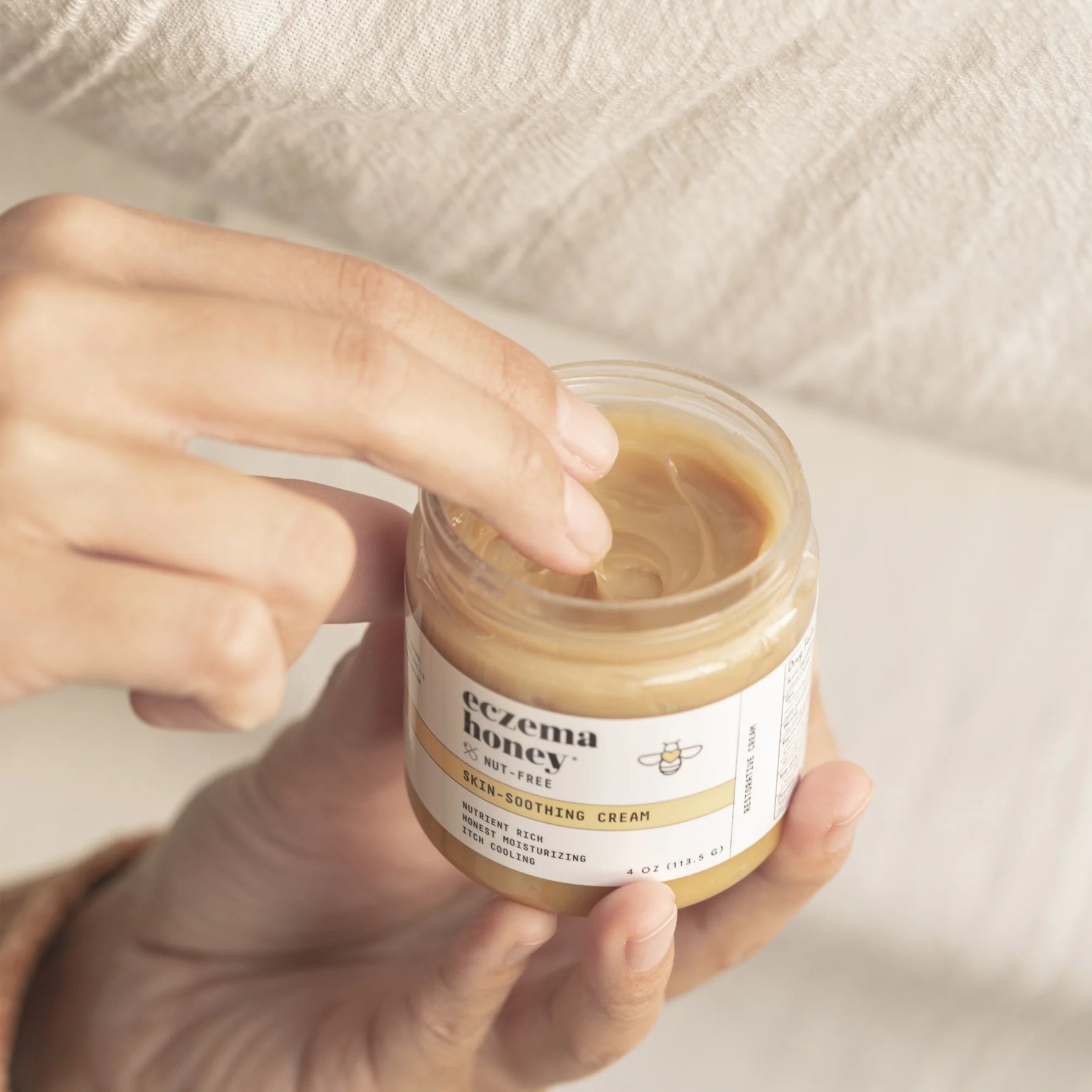
Two choices faced her patients after laser, petroleum with lanolin or botanical blends with essential oils, and both irritated fresh skin. That narrow option set explains why a Seattle surgeon built her own ointment and then a small range around barrier function and tolerance.
A number frames the work. In 2015 Heather D. Rogers introduced Restore Healing Balm, made from castor oil and glycerin, and began offering it after procedures in place of petroleum based standards.
Rogers is a double board certified dermatologist and dermatologic surgeon who practices full time at Modern Dermatology in Seattle, which she helped establish. She calls herself a reluctant founder. Patient care remains her central interest, and a commercial line was not part of her plan.
The reason for the change sat in the recovery chair. Careful laser work intended to improve an injury would then be covered by an ointment that slowed healing. Lanolin reactions, aversion to petroleum, and plant balms loaded with essential oils left scars reactive precisely when stability mattered.
What looks clinical here is also botanical, but only within limits. Rogers uses plants when published support and tolerance allow. Castor for occlusion and glide, glycerin with aloe for water content, squalane with niacinamide for barrier support. The structure is a brief routine with few steps that avoids overloading the barrier.
You have said aging skin feels as if it requires more while it actually tolerates less. That line now defines products for sensitive, aging and post procedure skin. How does that observation determine your use of squalane and niacinamide in the main face cream.
Thanks for close reading. That impression has stayed with me. I entered dermatology because the problem is visible, the treatment is direct, and the response can be seen. It is hands on work. Results do not take months to assess. I formulate with that same plain approach.
Care of patients has always been my first love. A skincare company was never my goal. I created product because I needed a reliable option after procedures. We performed detailed laser work to improve the injury and then the topical applied afterward set healing back. Patients had paid thousands and then reacted to widely suggested ointments. That seemed incorrect.
So I select ingredients with clinical evidence for effect and low irritation potential. I want strong skin without requiring skin to handle more than it can manage. Our skin is not built to handle seven steps and 250 ingredients twice daily. I prefer a small set of sound products that perform steadily, then observe, adjust, and hold the routine steady.
You entered medicine because dermatology let you see a problem and correct it quickly. How does that early repair model still inform formulation.
It informs it through simplicity tested against habit. At that time the options numbered two. Petroleum based Aquaphor, which contained lanolin that can provoke irritation and which many patients disliked, or natural balms with essential oils that bothered scars. Neither suited fresh and vulnerable skin.
I formulated Restore Healing Balm with castor oil and glycerin and omitted petroleum and lanolin. Castor supplies shelter, a protective seal that keeps the wound setting stable. Glycerin attracts and retains water. I often describe Vaseline as shelter alone, while my Healing Balm supplies shelter, water, and food. Skin registers nourishing input, much as we feel steadier on a healthy, balanced diet.
That split face comparison counted because neither the patient nor the hands were mine. A New York office applied Aquaphor to one side and Restore to the other after laser, and Restore performed much better. For a clinician, side by side observation of that kind remains memorable. It showed that a carefully chosen plant oil, free of fragrance and common allergens, could support healing inside modern practice.
You set a firm rule. Only ingredients permitted in the EU and Asia, vegan and biodegradable, without fragrance, essential oils, lanolin, parabens and phthalates, aligned with the Credo Clean Standard. Why rebuild from zero instead of accepting a near miss formula.
Because near misses cause reactions. I prefer to err toward caution rather than include hormone disruptors, carcinogens or uncertain additives. I prefer to rebuild from zero rather than accept compromises on ingredients. If pleasant feel requires fragrance, or rich feel requires a common allergen, then the formula is wrong for my patients.
I also decline sponsored ads or paid endorsements, which leaves the formula to stand on its own. This is a calling rather than a business venture. That phrasing sounds solemn, yet it reflects years with eczema prone skin and post procedure skin. It teaches respect for low irritation risk alongside efficacy.
Compliance with EU and Asia rules, vegan and biodegradable status, exclusion of lanolin and essential oils, these limits narrow choices. They also make choices clearer. Plants that stay, such as castor and aloe, remain because tolerance and data support them, not because they appear botanical.
Our skin was not built to take seven steps and 250 ingredients twice a day.
Dr. Heather D. Rogers
You describe fewer, better products rather than extended routines, and you reject face creams with dimethicone or mineral oil that only sit on skin. For a person managing eczema prone skin in winter, how should Restore plus cream plus cleanser be ordered as a ritual.
Hold the sequence short and repeat it. In winter I favor an evening method that adds water and then locks it in. Cleanse once to lift the day. On skin left slightly damp, add serum if used. Then add cream for barrier support. Then, on cracked or raw spots, press a thin film of Restore Healing Balm on lips, eyes, fingers, or any bothered patch. Bedtime suits this well because skin rests and overnight water loss climbs.
Mornings should stay lighter. Splash, serum, cream, sunscreen. Restore can be placed on lips or near nostrils where cold air causes chapping. The balm is hypoallergenic and biodegradable, prepared without petroleum or lanolin, so it suits irritated or injured zones without added fragrance burden.
The aim is consistency. Fewer films, applied with warm hands and a short pause between films. Healing skin does not require novelty. It requires the same sound care morning and evening until the barrier feels settled again.
You still practice full time, you received Iron Surgeon Best Cosmetic Dermatologist in 2023, and the range is stocked at Nordstrom, Credo, Cos Bar, Revolve Beauty, Violet Grey, Amazon and medical practices. What holds the range compact and plant led while distribution could broaden it.
Practice holds it accountable. Weekly sightings of reactions keep caution high. Patients arrive with bags of products and ask which to retain. On most days the guidance is retain less. That restraint defines the shelf. We make a healing balm for repair, a gentle cleanser that clears without stripping, a barrier cream for daily support, and targeted serums for day and night. Every item must justify its place.
Plant led, in my use, means limited harvest. Castor oil for occlusive comfort. Aloe plus glycerin for water. Squalane for lipid support. I value roots and fields, but a plant extract matters for conduct in formula, spread, seal, and skin response across two weeks, not for photographic appeal.
Distribution lets people locate a sure thing, in a medical practice or at Credo or Nordstrom. Expansion is acceptable when rules stay intact. No fragrance, no essential oils, no lanolin, no parabens or phthalates, vegan and biodegradable where feasible. If a concept cannot meet that ground, it is not planted.
You created a cleanser because Cetaphil felt like spit, failed to lift makeup and contained parabens. Your response used aloe and glycerin in a gentle gel. What should cleansing feel like for dry or aging skin.
Cleansing should leave skin clean and at ease, not tight. Many patients washed twice daily with a cleanser that left mascara or sunscreen behind, so they scrubbed harder. Added friction plus stripping surfactants harms the barrier. On dry or aging skin the effect appears fast as flakes and sensitivity.
The Aloe plus Glycerin Gentle Gel Face Wash pairs aloe for soft aqueous slip with glycerin to support water retention during cleansing. It removes mascara through sunscreen and sweat without a squeaky afterfeel. I advise patients with dry or aging skin to wash in the evening to lift makeup, sunscreen and debris, then use water alone in the morning. Night clears the day. Morning preserves what the barrier formed overnight.
In short, my entire concept is simply to be your sure thing. A cleanser should be dependable and quiet. It should act, rinse off, and prepare skin for serum and cream.
Your antioxidant Day Preventive Treatment received an Allure Best Clean Skincare award in 2026. Vitamin C serums act in a different manner from sunscreen, yet higher strengths may irritate sensitive skin. How do you position antioxidants with sunscreen for patients who flush readily.
I position them as partners, not substitutes. Sunscreen assists in blocking and scattering rays. An antioxidant serum helps address the look of free radical effects from sun and pollution in a distinct daytime manner. For flushing patients, concentration and vehicle matter more than claims.
On sensitive skin I begin low, hold the base plain, and monitor. Spread a thin film after morning cleansing, then moisturizer, then sunscreen. If tingling persists, stop and pare back. Skin that requires more yet tolerates less usually fares better on a tolerable daily amount than on a potent formula applied unevenly.
That is also why fragrance and essential oils are absent from these leave on layers. On reactive skin each added scent chemical adds load. A quiet base allows the antioxidant to function without forcing the barrier to handle irritation concurrently.
In 2015 you introduced Restore Healing Balm after Aquaphor reactions and essential oil irritation in natural balms. A New York office later tested it on one side of the face after laser, with Aquaphor on the opposite side, and Restore worked much better. What did that split face morning indicate about plants and healing.
It showed that plain can beat familiar. At the time only two paths existed. Petroleum based Aquaphor, disliked by many patients and formulated with lanolin that can irritate, or natural balms with essential oils that irritated scars. Fresh vulnerable skin deserved neither.
I stress evidence and patience in assessment. Controlled comparison, even a small office based split face test, carries more weight than a lab finding in cells. Sample size was limited, follow up was short, and we do not know how scars matured over months. That caution matters. Still, the direction favored a minimal plant oil system.
The lesson was selection over story. Concentration, vehicle, pH, absence of irritants, and observation over weeks decide value. A botanical ingredient earns inclusion when it shows tolerability and function on real faces, not when it trends.
Closing note from the desk
What remains is restraint plus measurement. Evening cleanse, morning splash, water first, gentle seal, repeat. Rogers reasons like a surgeon who checks references, careful at margins, patient during recovery, unwilling to stretch a finding past what it showed.
Doctor Rogers aims to be a sure thing for injured and sensitive skin. A balm with shelter, water and food. A rinse that clears without stripping. A cream built for the paradox of age. Viewed plainly, that limited kit merits shelf space.
Product spotlight
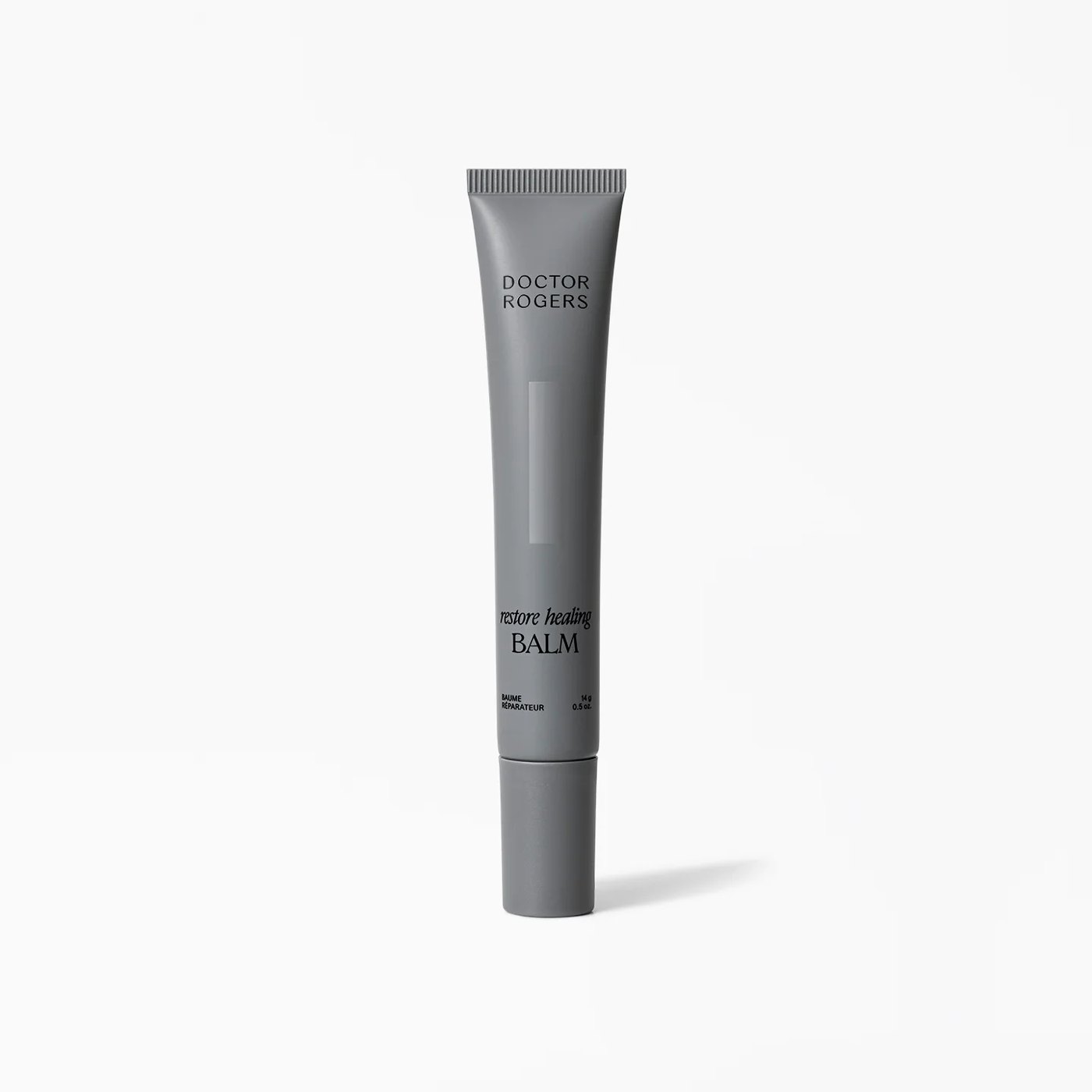
Restore Healing Balm, 24 dollars. A castor oil plus glycerin ointment for bothered lips, hands, eyes and post procedure skin, prepared without petroleum or lanolin. Warm a pea sized amount between fingertips and press onto dry or injured zones morning and evening, plus before bed as a seal above cream.
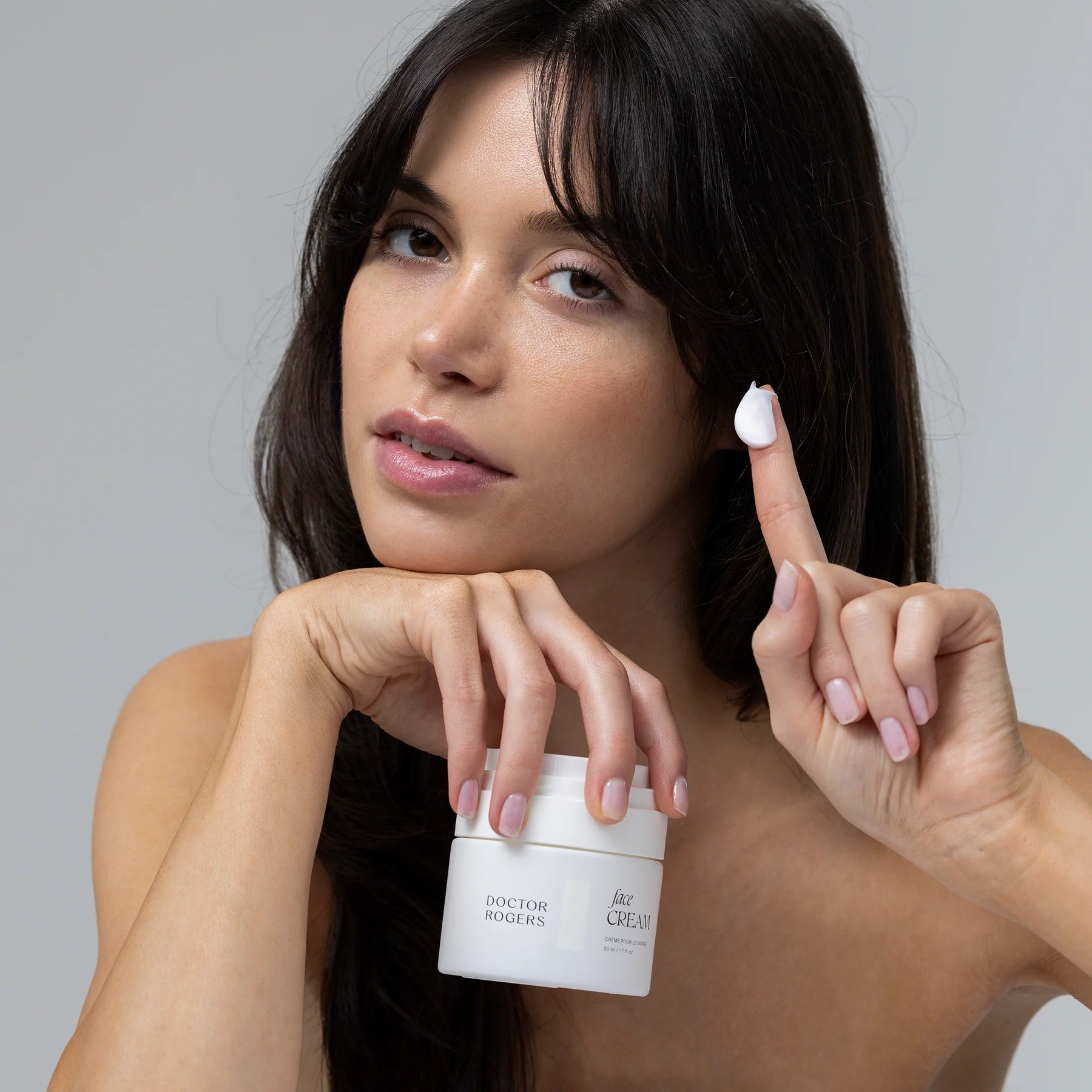
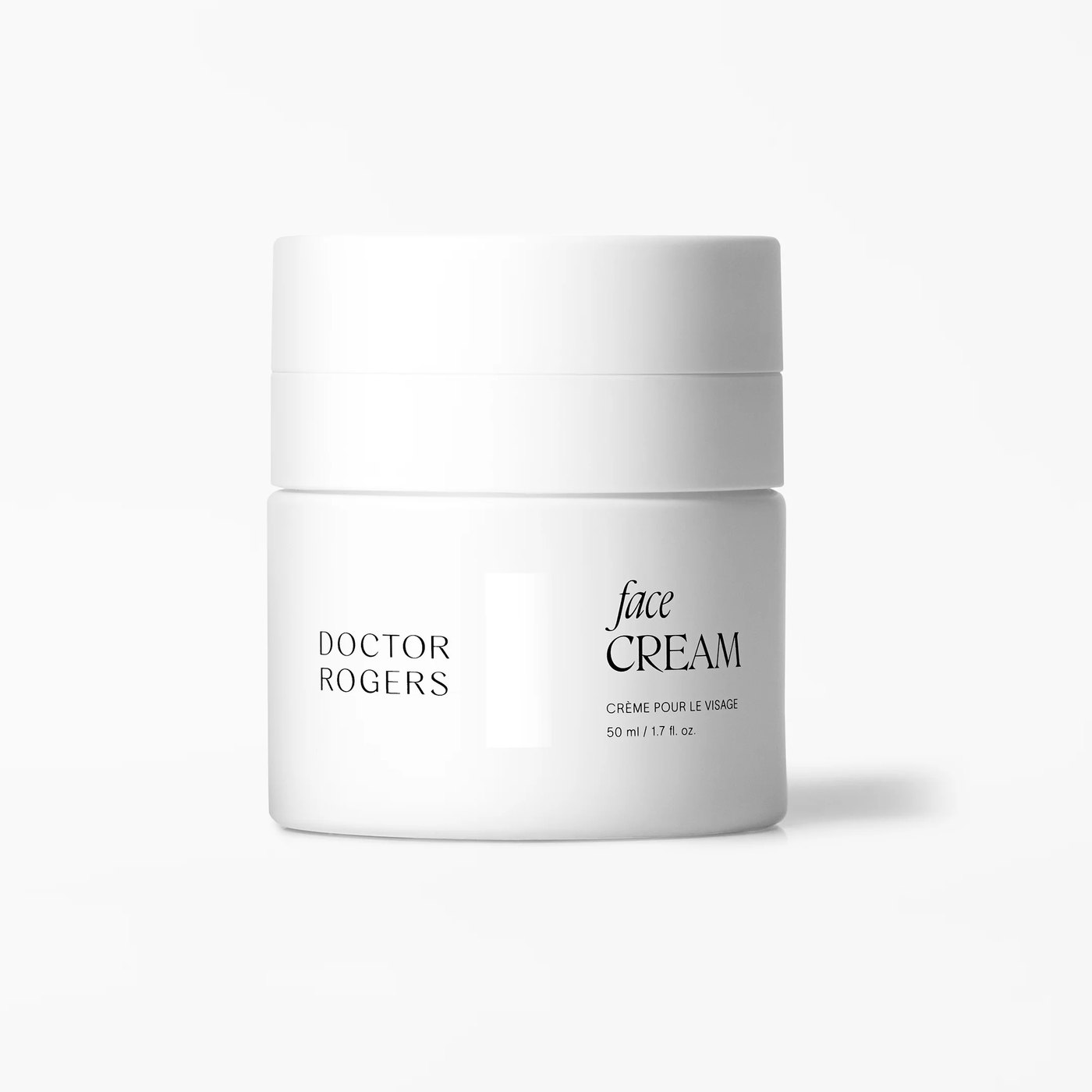
Our Squalane plus Niacinamide Barrier Support Face Cream costs 88 dollars. A rich daily face cream that deeply hydrates and supports the barrier for skin that requires more while tolerating less. Spread day or night after antioxidant serum in an even film across face and neck, then add sunscreen during the morning.

Madeline Hawkins
Madeline runs the news desk and the evidence guides at Face Value. She reads the methods section before the abstract and keeps a tally of every study a press release cites, next to the number she could actually find.
More from Madeline Hawkins →