A patient returns two weeks after a laser visit and asks what to keep using at home without irritating the eye area. That exchange in Brooklyn shaped a small product line built around restraint. The skin near the eyes is thin, moves often, holds little oil and loses water fast, yet many shelves pair heavy balms that clog with strong acids that burn. Dr. Chaneve Jeanniton formulates between those extremes, using low concentrations, slow release systems and calming plants.
Percentages often steer skincare talk. A higher number reads as stronger care and a longer routine reads as better care. Dr. Chaneve Jeanniton argues the reverse. As a board certified oculofacial plastic surgeon in Brooklyn, New York, she records surgical results in millimeters, and she applies that measure to topical care. Her brand, epi.logic, required three years of development and came out of consultations at Brooklyn Face and Eye.
Visits kept pointing to the same gap. People wanted brief routines that would preserve results from Botox, microneedling and lasers. They were worn out by layered regimens and by formulas that stung near the eyes. She started to design for that strict zone: reactive skin, recovering skin, lid skin with few oil glands and rapid moisture loss.
The present range mirrors that origin. A compact set organized around retinol, vitamin C and growth factors, steadied with plant extracts and emollients. No petrolatum or mineral oil close to the eyes. No at home daily hydroxy acids for lids. No ten layer method. What stands out on close reading is the quiet role of botanicals: aloe, cucumber, chamomile, squalane for glide and softness, antioxidants that stabilize the base so actives can remain low and steady.
You keep the line edited instead of wide, and you talk about surface, shape and structure as a single system. How does that view guide what you put into a formula and what you choose to omit.
Thanks for including me. As a board certified oculofacial plastic surgeon, I hold that skincare merits the same precision as surgery. My outcomes are gauged in millimeters. I manage the full facial aesthetic, and my operative focus narrows to the eyes.
That view alters formula choices. Surgery rewards the smallest useful action. Tissue deserves care. Removal stays minimal. I sought parallel control for retail products. epi.logic grew from a wish to build something that truly serves user needs, offering broad benefit and leaving the user feeling capable, knowledgeable, and secure in her skin.
Development of epi.logic ran three years from idea to release, and the response has surpassed what I expected. The time went to subtraction. We consult empirical data. We cut additives that may provoke reaction. We pair core actives with supporting ingredients to lift performance while softening irritation. I prefer modest levels that can increase gradually over flooding delicate skin.
You spent three years creating epi.logic because patients wanted simple routines that would preserve their clinic results. What were patients telling you in the exam room that the market was missing.
Even when a patient arrives asking about under eye filler, I treat our appointment as a chance to teach her how to improve both home and office plans. That dialogue recurred. People sought plain, useful daily care that tackles usual skin concerns and extends procedure outcomes.
They disliked tangled regimens and weak products. Excess steps. Clashing promises. A daytime layer that pilled beneath sunscreen. A night cream too dense for the eye zone. I hold a skin first view where cosmetics remain optional rather than required. When skin appears even and settled, makeup turns elective.
So we built for combination use and for nearly all skin types including sensitive and post treatment skin. Fewer products, each with a defined job. From my clinic to your shelf reflects process for me, not marketing. What proves useful in the procedure room must work at the bathroom sink without extra instruction.
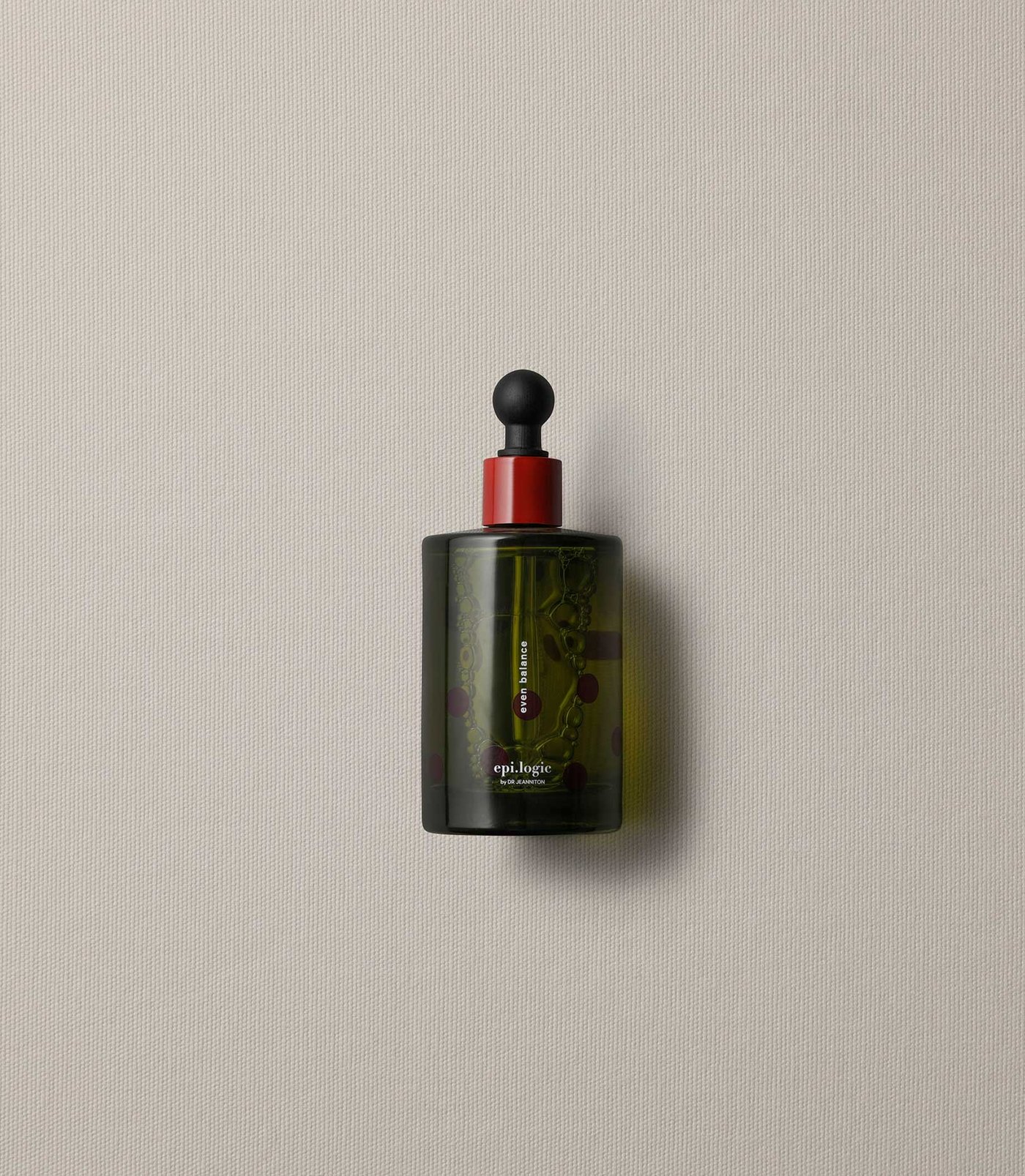
Even Balance combines aloe, cucumber and chamomile with CoQ10 and superoxide dismutase. What do those botanicals actually contribute to the formula, and when in the day should someone use it.
Even Balance serves as our quieting step. A calming plant mix of aloe, cucumber, and chamomile extracts soothes and eases the skin. Aloe supplies water binding polysaccharides that feel cool and reduce the look of tightness. Cucumber offers mainly water with a weightless feel that stacks neatly. Chamomile provides flavonoids long used in topical care to ease the look of redness. None performs resurfacing. They condition the base, if you will.
We then include supercritical antioxidants CoQ10 and superoxide dismutase. Supercritical names a neat extraction approach using pressurized carbon dioxide to pull delicate compounds without aggressive solvents. CoQ10 occurs naturally in skin and supports defense of the look of skin under environmental load. Superoxide dismutase is an enzyme that assists in calming surface oxidative load.
Apply after washing, ahead of serums or creams. Use morning and evening when skin leans reactive. It fits recovery days when skin prefers cool calm over action.
You strongly support retinoids in eye cream, including retinol and related forms, yet eyelid skin is thin and prone to redness. How do you make that combination practical for a routine used at home.
I remain a strong supporter of retinoids in eye cream. Whether retinol or a retinol derivative, these rank as rather central ingredients. The eye zone develops fine lines and reduced bounce early since the cover is thin and in motion. When handled well, a retinoid helps the look of smoother, firmer appearing skin.
Dose plus vehicle decide the result. In Eye Contact we combine time release retinol with brightening antioxidants, peptides and flexible hydrators to target the look of dark circles, elasticity and fine lines. Time release meters out slowly instead of at once. Hydrators pad. That permits a restrained and consistent level.
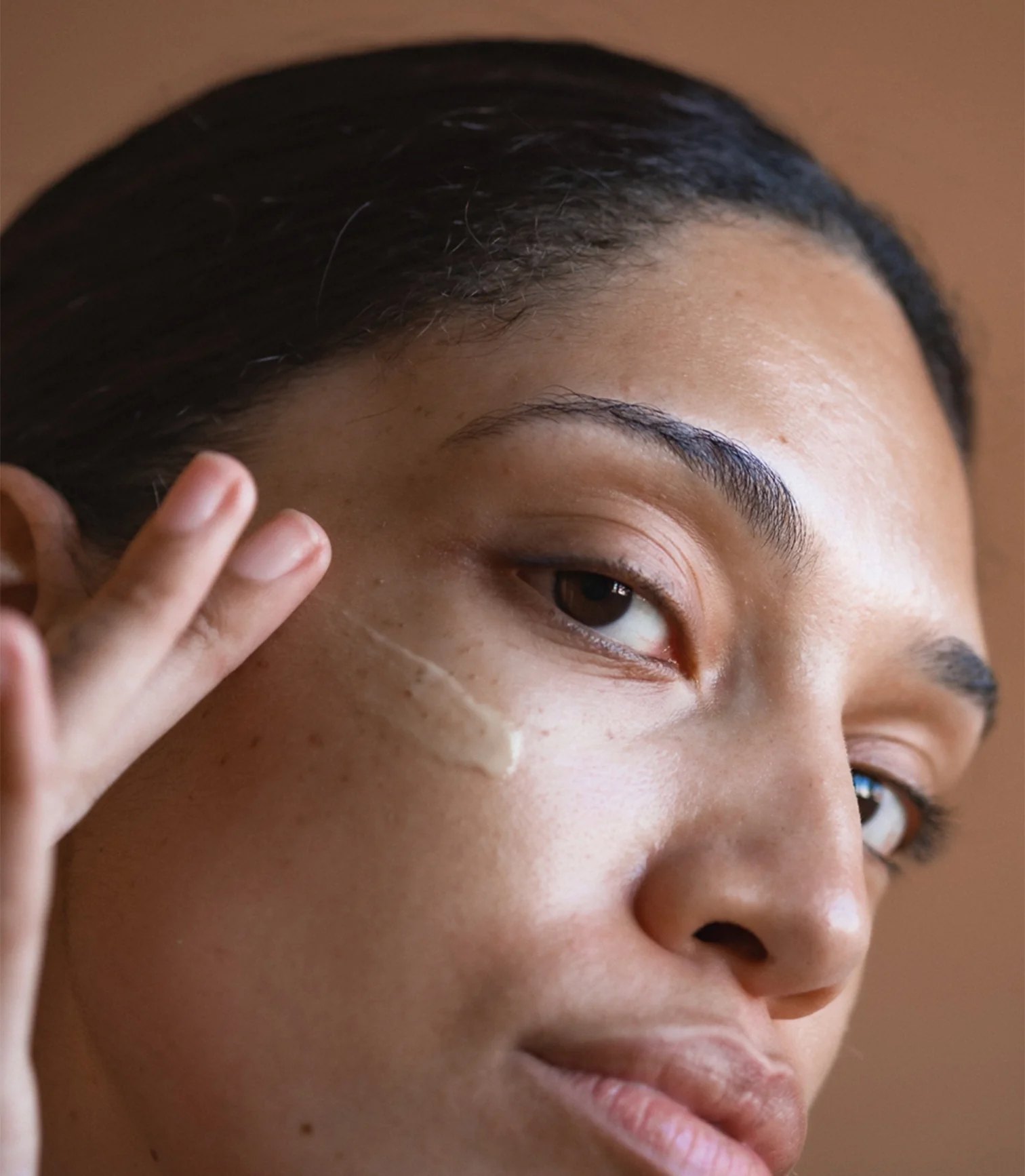
Technique counts as well. Ensure plenty of glide between finger and lids as you begin application. Warm a tiny portion, slide without tugging, tap lightly. Pulling thin tissue provokes redness unrelated to the blend.
You set a clear boundary on acids, saying office use around the eyelid is acceptable but daily hydroxy acids on eyelids at home are not advised. Where do plant acids and fruit based exfoliants belong instead.
In clinic, I feel at ease applying acids near the lid but I would avoid that practice for the home setting. Under supervision I manage potency, duration, neutralization and aftercare. At home, proximity to the eye margin is too tight, and repeated use accumulates irritation that proves hard to undo.
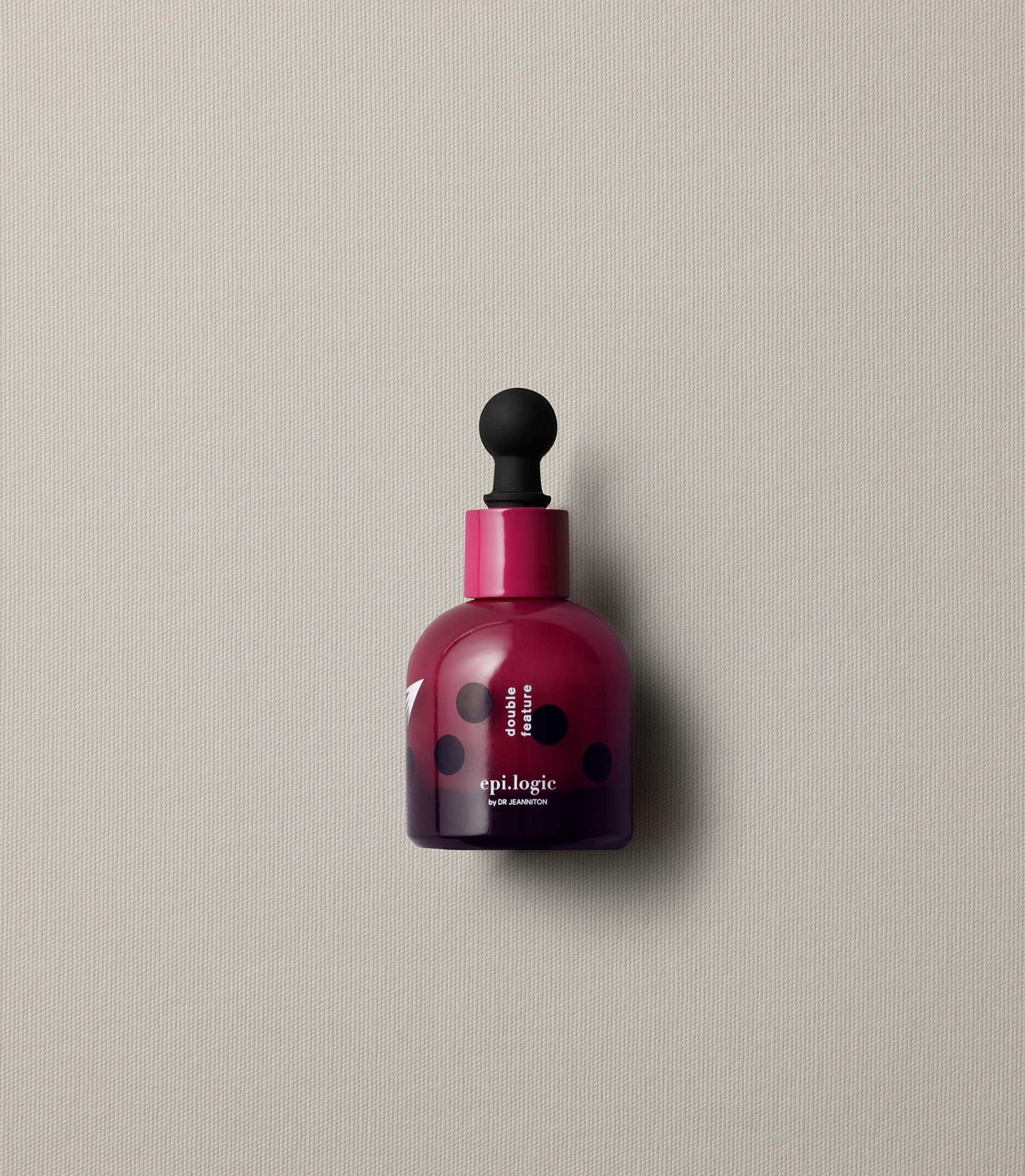
We therefore site our exfoliating botanicals and mild acids where cover is tougher. Double Feature is a unified concentrate that meters encapsulated time release retinol and Vitamin A complex with AHAs, lactic and mandelic acids, in a squalane base. It belongs on facial skin at night, not along the lash edge. Lactic acid carries a larger structure that also binds water, mandelic acid works at a slow and uniform pace, and squalane lends glide and encourages softness.
Clean Reveal employs glycolic acid and gluconolactone in a smooth gel wash created with reactive skin in view. It washes off. Brief contact followed by calm suits many sensitive users.
I prefer starting with low concentrations and increasing slowly rather than overloading sensitive skin.
Dr. Chaneve Jeanniton
Squalane forms the base of your night concentrate that delivers retinol and AHAs. Why did you select that emollient instead of heavier occlusives, given your rule against petrolatum near the eyes.
Squalane acts like a known oil to skin. It layers thin, sinks neatly, leaves a soft touch without dense closure. Dense occlusives such as petrolatum and mineral oil may occlude and prompt milia near the eyes, those tiny white spots linked to clogged pores. I decline to apply them in that area.
In Double Feature, squalane performs steady support work. It transports. It pads. It allows encapsulated retinol and acids to release gradually through the night. Skin feels fed yet not sealed. For barrier care we favor pliable agents: hyaluronic acid to retain water, glycerin to attract it, squalane and related emollients to slow its escape.
Lids hold too few oil glands, leaving them open to dryness, so humectants and emollients such as glycerin, hyaluronic acid and squalene aid hydration support. The same reasoning runs through the range. Supply dry zones with water plus a light cover, not a dense cap.
You describe your work as caring for the full aesthetics of the face while focusing on eyes, and you say skincare should be as precise as surgery. What did precision mean to you when you shifted from the operating room to the formula lab.
That shift meant planning minimal effective action. In theater you spare tissue. You avoid excess. You sequence with care. I carried that restraint to the bench. epi.logic started from a drive to meet genuine user needs, deliver full range benefit and help the user feel strong, literate, and assured about her skin.
Launch followed three years of work, and uptake went beyond my hopes. Duration reflected pruning. We rely on empirical data. We screen out potentially reactive extras. We match key actives with adjunctive components to raise function while muting triggers. Gradual low levels beat aggressive starts for delicate zones.

You often teach about hyperpigmentation, and you note that melanin rich skin may develop it more readily and clear it more slowly, with sunscreen as a central step. How do your botanical and brightening ingredients align with that slower and steadier method.
Hyperpigmentation rewards patience. Melanin rich skin may develop hyperpigmentation more readily and may clear it with more difficulty, and sunscreen is framed as crucial while treating it. Absent daily light protection, brightening gains fade by afternoon.
We favor low and stacked care. Vitamin C in Daily Dose helps the look of brighter, more uniform tone across time. Retinoids aid the look of turnover. Plant antioxidants settle the backdrop so skin appears tranquil as tone evens. We skip potent daily acids near the eyes at home since inflammation may deepen the look of dark areas.
Chemical sunscreen near the eyes may provoke tearing and sting, while mineral sunscreen may cast white, so hats, sunglasses and UV avoidance join the plan. I advise patients to count in seasons, not weeks. Mild regularity, sun habits, a plain routine kept daily. That steadies the appearance of spots more dependably than harsh peels without strategy.
You have said building a presence in New York is hard while deliberately staying small, and that a clear sense of your distinct contribution is essential. What has staying small let you protect in the way you source and blend.
Gaining ground, above all in a market as crowded as New York is hard while deliberately remaining small. We run a lean team with a medical assistant and aesthetician, aided by consultants in brand strategy and public relations. That scale holds choices near the patient.
A sharp sense of what renders your offering distinct is imperative. Ours applies eye zone judgment to the full routine. Compact size defends that. We can hold levels modest. We can keep supportive botanicals despite added cost or blending trouble. We can reject dense occlusives near the eyes and reject counsel for daily lid acids at home, even when such pledges move units.
Brooklyn Face and Eye is Dr. practice Jeanniton’s practice in Brooklyn, New York, centered on facial aesthetics with an operative emphasis on eyes. Remaining anchored there shortens feedback. A patient checks in after two weeks. We refine guidance, not only blends. From my clinic to your shelf stays credible when the clinic sits close by.
Closing note from the desk
What remains is control. A surgeon able to offer a sprawling menu kept it brief. A developer able to chase potency chose metered release, restrained amounts and plants that settle. The talk circled back to tissue, glide, moisture escape, sun, the plain variables that determine whether a regimen lasts past winter.
Epi.logic aimed to render clinical care plain enough for sensitive and post treatment skin, exact enough for lids, and stable enough to back office procedures. Viewed plainly, that is also a plant account. Aloe and chamomile as roots, a squalane medium that bears harder actives, release timed for night rather than pushed by day.
Product spotlight
Even Balance, 65 dollars. A daily plant toner that joins aloe, cucumber and chamomile with CoQ10 and superoxide dismutase. It eases the look of tight or flushed skin and readies the surface for serum. Place after washing morning and evening, smoothing a modest amount across face and neck under richer layers.
Double Feature, 140 dollars. A nighttime concentrate set in squalane with encapsulated time release retinol, Vitamin A complex, lactic and mandelic acids. It aids the look of refined texture and steadier tone during sleep. Spread a pea sized portion over dry facial skin at night, keeping clear of lids and lash edges.

Madeline Hawkins
Madeline runs the news desk and the evidence guides at Face Value. She reads the methods section before the abstract and keeps a tally of every study a press release cites, next to the number she could actually find.
More from Madeline Hawkins →